The Heavy Weight of Debt and the Search for a Way Out
I know how it feels when you stop answering your phone because you are scared it is another collector. You want to pay what you owe, but the math just doesn't work out at the end of the month. In this guide, I will show you exactly how I suggest my clients handle their debt using legal paths that have nothing to do with bankruptcy. We are going to look at how to talk to banks, what papers you need, and how to stop the stress today.
Many people feel trapped because they think bankruptcy is the only exit. They worry about their credit score being ruined for a decade. They fear the social stigma that comes with a court-ordered insolvency.
The reality is that most people stay stuck because they don't know there are legal paths to freedom. You are not alone in this struggle, and there is a way to fix this without losing everything. Myths vs. Facts
I often hear people worrying about things that aren't even true. Let’s clear the air with this simple table:
Why Finding the Right Debt Advice is So Hard
Most people try to solve their debt problems, but they hit a wall. Here is why the journey feels so impossible for many:
- Confusing Legal Language: Most debt laws are written in complex terms that are hard for a normal person to understand.
- Predatory Companies: Some companies promise "quick fixes" but actually charge huge fees and leave you in worse shape.
- Lack of Transparency: Banks and credit card companies don't always tell you about your right to negotiate.
- Scare Tactics: Debt collectors often use aggressive language to make you feel like you have no legal rights.
- Information Overload: Searching for help online often leads to conflicting advice that leaves you more confused than before.
How Debt Affects Your Life and Mindset
The impact of high debt goes far beyond your bank account balance. It seeps into every part of your daily life.
- Loss of Sleep: Constant worry about interest rates and late fees leads to chronic insomnia and exhaustion.
- Relationship Strain: Money is one of the leading causes of arguments between partners, leading to broken trust.
- Career Distraction: It is hard to focus on work when you are worried about wage garnishment or legal notices.
- Lowered Self-Esteem: You might feel like a "debtor" rather than a person with value and potential.
- Fear of the Future: Instead of planning for vacations or retirement, you are just trying to survive the next week.
There is a Clear Path to Financial Recovery
You do not have to live under this shadow forever. There are proven, legal methods to settle what you owe for less than the total balance.
These methods allow you to keep your dignity and avoid the long-term damage of bankruptcy. In the following sections, we will walk through exactly how you can take control.
You can start moving toward a life where you own your money, instead of your money owning you. Let’s look at the first steps you need to take right now to begin this legal journey.

How to Win Against Debt
If you are in a hurry, here are the 4 things you must do to resolve debt without filing for bankruptcy:
- Stop Ghosting: Talk to your creditors. If they don't know you're struggling, they will sue.
- Verify the Debt: Make them prove you owe the money. If they lost the paperwork, you win.
- Get it in Writing: Never pay a penny until you have a signed settlement letter.
- Know Your Dates: Check your local laws to see if the debt is too old to be sued for.
Your Roadmap to Resolving Debt Legally
Getting out of debt requires a plan that is both logical and legally sound. You cannot just hope the debt goes away. You need to take active steps to change your situation.
We are going to break down the first three major phases of this process. These steps focus on organization, communication, and legal protection.
Step 1: Perform a Full Audit of Your Financial Liabilities
Before you can fight a battle, you must know exactly what you are up against. Most people avoid looking at their total debt because the number is scary. However, you cannot fix what you do not measure.
Start by gathering every single bill, statement, and legal notice you have received. Do not leave anything out. Even the smallest "zombie debt" from years ago needs to be on this list.
Create a simple document or use a notebook to list three things for every debt:
- Who you owe (The original creditor and the current collection agency).
- How much you owe (The current total balance including interest).
- The interest rate (This tells you which debt is growing the fastest).
Why this works: When you see everything on one page, the "monster" becomes manageable. It stops being a vague cloud of fear and becomes a list of tasks.
Think of this like a doctor diagnosing a patient. You need to see the full X-ray before you can start the surgery. This audit gives you the power to prioritize which debts to handle first.
The "Debt Audit" Checklist
When you are listing your debts, don't just write down the numbers. Use this checklist I created to make sure you have everything ready for your first negotiation call:
- Original Creditor Name: (Who did you first get the money from?)
- Current Owner: (Is it still with the bank or a collection agency?)
- Date of Last Payment: (This helps find the "Statute of Limitations").
- Account Status: (Is it "Charged Off" or still active?)
- Hardship Reason: (A 1-sentence reason why you can't pay, like "Medical bills" or "Job loss").
Step 2: Open Professional Lines of Communication
One of the biggest mistakes people make is "ghosting" their creditors. While it is tempting to ignore the calls, it usually leads to lawsuits.
You have the legal right to communicate with your creditors and ask for help. Most banks actually have "Hardship Programs" that they don't advertise. These programs are designed for people who want to pay but are struggling.
When you call them, stay calm and professional. Tell them you are experiencing a financial hardship but you want to resolve the account. Use phrases like, "I am looking for a mutually beneficial resolution."
What to ask for during the call:
- Interest Rate Reduction: Ask them to lower your rate so more of your money goes to the principal.
- Late Fee Waivers: Many companies will remove late fees if you agree to a new payment plan.
- A Forbearance Period: This is a short break from payments while you get back on your feet.
Remember, creditors would rather get some money from you than nothing at all. If you go bankrupt, they might get zero. This gives you more power in the conversation than you think.
Step 3: Understand and Use Your Consumer Protection Rights
You are protected by federal and state laws that limit what debt collectors can do. In the United States, for example, the Fair Debt Collection Practices Act (FDCPA) is your best friend.
Collectors cannot call you at 3 AM. They cannot threaten you with jail time. They cannot talk to your boss or your neighbors about your private debt.
If a collector breaks these rules, you might actually be able to sue them. Knowing your rights changes the dynamic. You are no longer a victim; you are a citizen with legal protections.
How to use the law to your advantage:
- Demand Validation: Legally, you can ask a collector to "prove" the debt is yours. They must send you a letter showing the original contract.
- Cease and Desist: You can send a written letter telling a collector to stop calling you. After that, they can only contact you by mail or through a lawsuit.
- Keep a Paper Trail: Always keep copies of letters you send and receive. Write down the dates and times of every phone call.
By standing on your legal rights, you force the creditors to play by the rules. This often makes them more willing to offer a fair settlement.
The Power of Systematic Negotiation
Negotiation is a skill that anyone can learn. You do not need a law degree to negotiate your debt. You just need patience and a clear goal.
When you offer a settlement, you are telling the creditor: "I have a specific amount of money right now. If you take it, we can close this file forever."
Start your offer low, perhaps at 25% of the total debt. The creditor will likely counter-offer with 70%. Your goal is to meet somewhere in the middle, around 40% to 50%.
A Real-Life Example:
Imagine you owe $10,000 on a credit card. You haven't paid in six months. You call them with $4,000 saved up. You tell them, "I am considering all my options, including bankruptcy, but I would rather pay you today."
Often, the bank will accept that $4,000 to avoid the risk of getting nothing. You just saved $6,000 legally. This is a common practice used by professionals every day.
Creating a Sustainable Repayment Structure
Once you have negotiated a settlement or a new plan, you must stick to it. This is where your daily habits come into play.
You might need to use the "Debt Snowball" or "Debt Avalanche" method.
- The Snowball Method: Pay off the smallest debt first to get a quick win. This builds your confidence.
- The Avalanche Method: Pay off the debt with the highest interest rate first. This saves you the most money over time.
Both methods are legal and effective. The choice depends on what keeps you motivated. Most people find that the small wins of the Snowball method keep them going for the long haul.
We must remember that debt resolution is a marathon, not a sprint. It took time to get into this situation, and it will take some time to get out. But every step you take is a step toward freedom.
Protecting Your Future Credit Score
One major reason people avoid bankruptcy is to protect their credit. While debt settlement does affect your score, it is much easier to recover from than bankruptcy.
When you settle a debt, make sure the creditor marks the account as "Settled in Full" or "Paid as Agreed." This looks much better to future lenders.
After your debts are resolved, you can start rebuilding. You can get a secured credit card or a small credit-builder loan. Within a year or two, many people see their scores jump back up significantly.
The Importance of Documentation in Debt Legalities
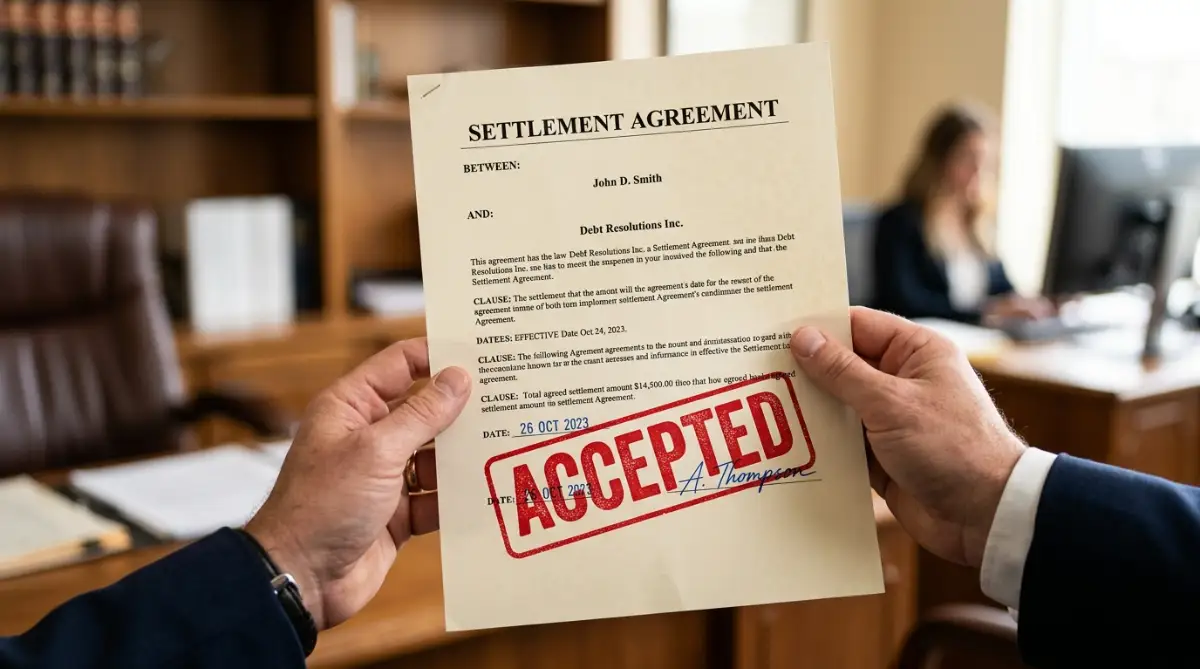
Never, ever agree to a debt settlement over the phone without getting it in writing first. This is a vital rule for your protection.
A "Settlement Agreement Letter" should state exactly how much you are paying and that the debt will be fully satisfied. It should be signed by an authorized representative of the company.
If you pay without this letter, the company could claim you still owe the rest. Having a paper trail is your legal shield. It ensures that once the money is sent, the debt is dead.
Store these documents in a safe place or a digital cloud drive. You may need them years later if the debt accidentally reappears on your credit report. Being organized is your best defense against future errors.
Why You Should Avoid "Quick Fix" Debt Scams
As you look for ways to resolve your debt, you will see many ads promising to "erase your debt overnight." Be very careful.
Many of these are scams that take your money and do nothing. A real legal resolution takes work and time. If it sounds too good to be true, it probably is.
Always check the reputation of any company you work with. Look for reviews and see if they have any legal complaints against them.
The best way to resolve debt is to follow the legal steps yourself or with a trusted, certified counselor. You have the power to do this. You don't need a "magic" solution; you just need a solid plan.
Moving Forward with Confidence
You have now learned the first major steps to resolving your debt without bankruptcy. You know how to audit your bills, how to talk to creditors, and how to use the law to protect yourself.
This is the beginning of your journey back to financial health. It won't always be easy, but it will always be worth it.
Imagine a day when your phone doesn't ring with collectors. Imagine opening your mailbox and only seeing letters from friends or magazines. That day is possible if you start taking these legal steps today.
Stay focused on your goal. Keep your documentation organized. And most importantly, believe that you can change your financial story.
The path to freedom is open to you. By choosing the legal resolution route, you are taking the high road. You are protecting your future and reclaiming your life.
Using Advanced Legal Tools to Settle for Less
Now that you have organized your files and started talking to creditors, it is time to use some expert strategies. These methods go deeper into the legal system to give you the upper hand.
You are not just asking for a favor anymore. You are using the rules of the financial system to protect your family and your future.
Demanding Full Verification of the Debt Chain
One of the most powerful secrets in debt resolution is the "Chain of Custody." When you owe a credit card company, they often sell that debt to a third-party collector for pennies on the dollar.
This debt might be sold five or six times over several years. During these transfers, the original paperwork often gets lost or corrupted.
You have the legal right to demand that the collector shows the original contract with your signature. They must also show every single transaction that led to the current balance.
If they cannot produce these documents, they often cannot legally win a case against you in court. Many collectors will simply drop the case or accept a tiny settlement if they know their paperwork is messy.
Understanding the Legal Time Limits on Your Debt
Every type of debt has a "Statute of Limitations." This is a legal expiration date for how long a creditor has to sue you.
In many places, this limit is between three and six years. If your debt is older than this limit, it is considered "time-barred."
This means they can still ask you to pay, but they cannot use the court system to force you. Knowing this date is a massive advantage in your negotiations.
A word of caution: Be very careful not to make a small payment on a very old debt. In many areas, making even a $5 payment can "restart the clock."
Always check the local laws in your area to see what the time limit is for credit cards versus medical bills. This knowledge alone can save you from paying thousands on debts that are legally dead.
The Benefit of Professional Non-Profit Credit Counseling
If negotiating one-on-one feels too scary, you can look into non-profit credit counseling agencies. These are different from "debt settlement" companies that charge high fees.
A non-profit counselor can set up a Debt Management Plan (DMP) for you. They work with your creditors to lower interest rates to nearly 0% in many cases.
You make one single payment to the agency, and they distribute it to all your creditors. This is a legal and structured way to pay off 100% of your debt over three to five years.
This method is great because it stops the collection calls immediately. It also shows a high level of responsibility on your credit report.
Building a Wall Around Your Future Wealth
Resolving your current debt is only half the battle. You must also build a system that prevents you from ever falling back into this trap.
One expert tip is to create what I call a "Legal Buffer Fund." This is a small savings account that you never touch for daily expenses.
If a sudden medical bill or car repair happens, you use this fund instead of a credit card. This stops the cycle of new debt before it even starts.
You should also practice a "Cash-Only" lifestyle for at least six months after settling your debts. Using physical cash makes the cost of living feel real and helps you stay within your limits.
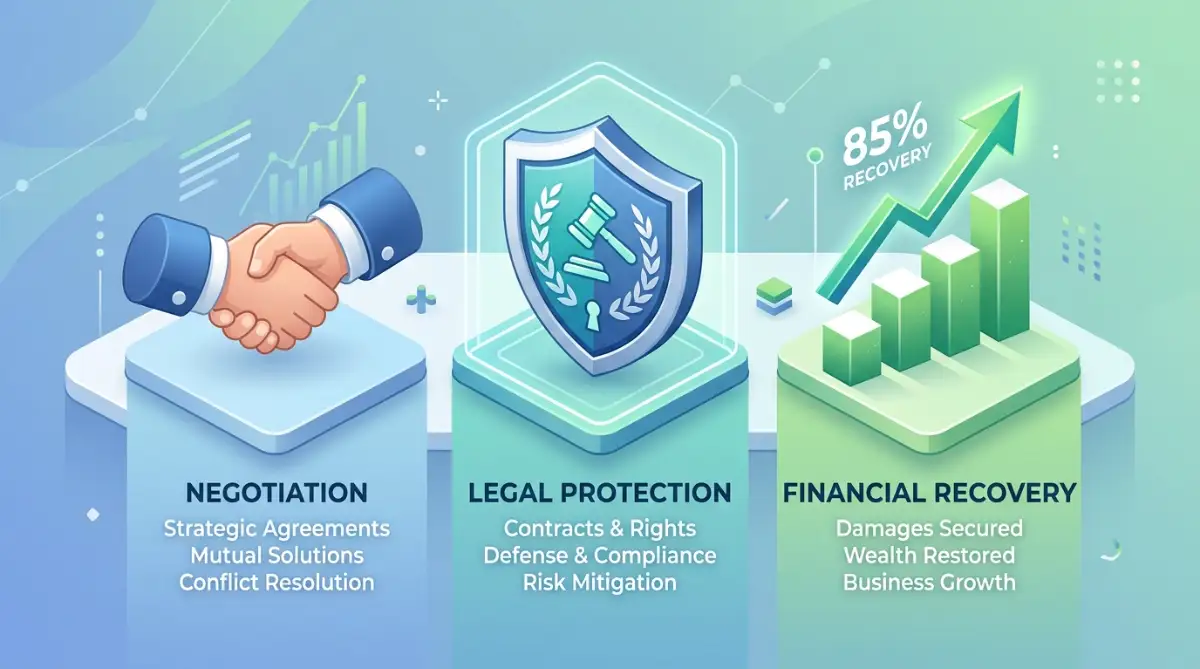
Avoiding the Traps That Keep You in Debt
As you work through these legal steps, you will face many temptations. Some of these choices look like "shortcuts," but they are actually dangerous pitfalls.
If you fall into these traps, you could end up losing more money or even facing legal action. Let's look at the five most common mistakes people make when trying to resolve debt.
Mistake 1: Handing Over Control of Your Bank Account
Some debt relief companies or collectors will ask for your "ACH" or "Direct Debit" info. They say it makes payments easier and more "automatic."
Never give a collector direct access to your bank account. They can sometimes take more than you agreed upon, leaving you with no money for rent or food.
Always pay by check or through your bank’s online bill pay system. This keeps you in total control of when and how much money leaves your account.
Mistake 2: Taking New Debt to Pay Off the Old Ones
Many people try to get a "Debt Consolidation Loan" to pay off their credit cards. While this can work for some, it is very risky for someone already in a crisis.
If you take a loan and then run up your credit cards again, you now have twice as much debt. You have turned an unsecured debt into a larger, more complex problem.
Focus on settling the debt you have with the cash you can save. Adding more interest and more lenders usually makes the legal situation more confusing.
Mistake 3: Using Retirement Savings to Pay Unsecured Debt
This is a mistake that can hurt you for decades. Your 401k or IRA is often legally protected from creditors in many jurisdictions.
If you take money out of your retirement to pay a credit card, you are giving away "protected" money to satisfy an "unprotected" debt. You are also losing the growth of that money for your old age.
Keep your retirement safe. Use your current income and legal negotiation strategies to handle the debt instead.
Mistake 4: Trusting Verbal Promises from Phone Calls
A debt collector might tell you over the phone, "If you pay $500 today, we will forgive the rest." This sounds like a great deal, but it is often a lie.
Without a written agreement, they can take your $500 and then sell the remaining balance to another collector. You will have no way to prove the original deal.
Always get every promise in writing before you send a single cent. A simple letter or email from an official company address is your only real protection.
Mistake 5: Ignoring a Court Summons
Sometimes, despite your best efforts, a creditor might file a lawsuit. The worst thing you can do is throw the paper in the trash.
If you don't show up to court, the judge will give the creditor a "Default Judgment." This allows them to freeze your bank account or take money directly from your paycheck.
Even if you don't have a lawyer, showing up to court gives you a chance to explain your side. Often, creditors are willing to settle even on the day of the court hearing.
Your New Life Starts with a Single Step
Resolving your debt without bankruptcy is a brave and smart choice. It shows that you are ready to take responsibility for your finances and build a better future.
You have learned how to audit your bills and how to talk to creditors professionally. You now know about the "Chain of Custody" and the legal time limits on debts.
By avoiding common traps like giving away bank access or raiding your retirement, you are protecting your long-term security. These steps are the foundation of a life free from financial fear.
Take Action Today for a Better Tomorrow
Do not wait for the "perfect time" to start this process. The best time to take control of your debt was yesterday, but the second-best time is right now.
Pick one small debt today. Find the last statement and write down the balance and the interest rate. This one small action breaks the cycle of avoidance.
You have the legal tools and the knowledge to win this battle. You are stronger than your debt, and you deserve to live a life full of peace and confidence.
We believe in your ability to turn this situation around. Keep your records organized, stay calm during negotiations, and always stand on your legal rights.
Your journey to financial freedom has already begun. Stay the course, and soon, you will be able to look back on this time as the moment everything changed for the better.