The Burden of Mounting Debt: Recognizing the Reality
Living with multiple loan repayments often feels like carrying an invisible weight every single day. You wake up thinking about due dates instead of your goals. This constant pressure turns your daily routine into a cycle of worry and calculation. It affects how you work, how you sleep, and how you interact with your loved ones.
Many people find themselves in this position because life is unpredictable. An emergency expense or a sudden income change can disrupt even the best-laid plans. When you miss one payment, it often snowballs into a larger issue. You start feeling like you are losing control of your own financial future.
Why Standard Advice Often Fails
You have likely searched for help online, only to find confusing or misleading tips. Most generic advice ignores the legal realities of your specific situation. Here is why many people struggle to find the right path:
- One-size-fits-all solutions: Many blogs suggest methods that do not apply to your specific loan terms.
- Misleading debt settlement ads: You might see offers that promise to "wipe away" debt, which can be legally risky.
- Lack of transparency: Unreliable sources often hide the long-term impact of certain financial decisions.
- Fear-based marketing: Many sites try to scare you into buying products rather than teaching you how to manage your current obligations. Legal Advice for Managing Multiple Loan Repayments
The Impact on Your Peace of Mind
This financial strain goes beyond numbers on a screen. It hits your mental health hard, leaving you feeling trapped and exhausted.
- Constant Anxiety: You might feel a sense of dread whenever the mail arrives or your phone rings.
- Lost Focus: It becomes difficult to concentrate on your career or personal projects when debt is always on your mind.
- Social Withdrawal: You may start avoiding friends or family because you feel embarrassed about your financial situation.
- Diminished Confidence: Over time, the inability to meet obligations makes you doubt your ability to handle life’s challenges. Legal Advice for Managing Multiple Loan Repayments
Managing debt requires more than just willpower; it requires a clear, legally sound strategy. When you understand your rights and obligations, the fear begins to fade. You stop seeing debt as a monster and start seeing it as a puzzle to be solved. Legal Advice for Managing Multiple Loan RepaymentsThis shift in mindset is the first step toward getting your life back.
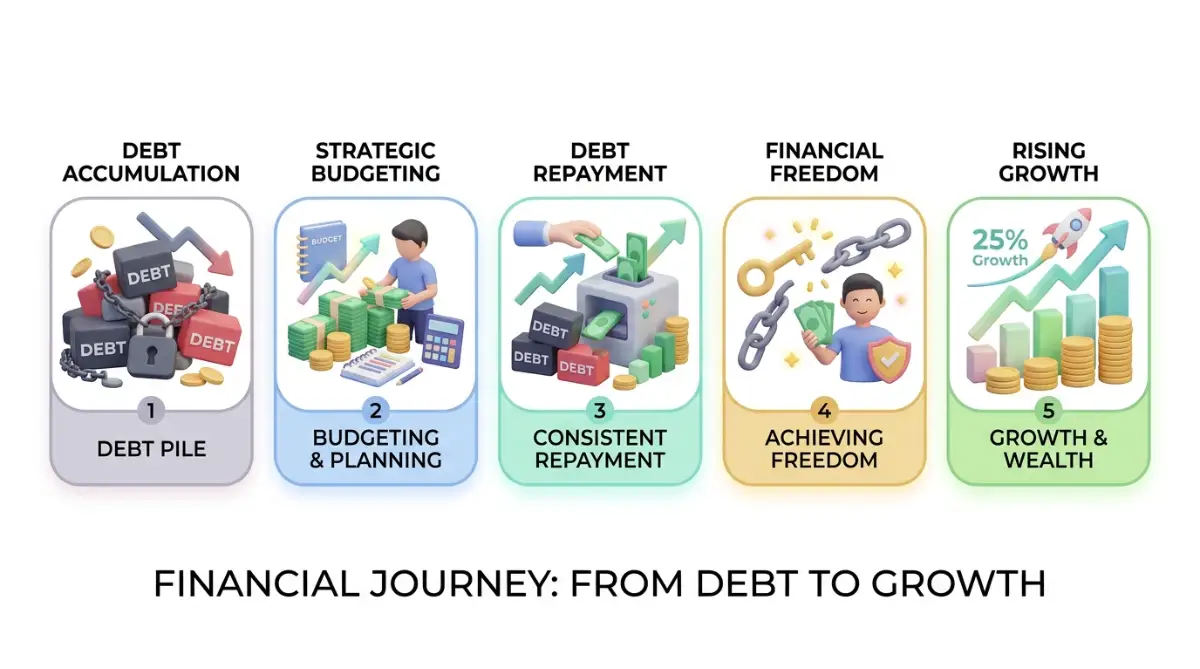
Step 1: Conducting a Complete Financial Audit
Before you can fix your debt, you must see the entire picture. Many people avoid looking at their total debt because it feels overwhelming. However, clarity is your best tool for reducing stress.
Create a Master Debt List
Grab a notepad or open a simple spreadsheet. List every single loan you currently hold. You need to write down the lender’s name, the total balance, the interest rate, and the monthly payment. Legal Advice for Managing Multiple Loan Repayments
Be honest and detailed with this list. Do not leave out smaller debts or credit cards, as every cent counts. Seeing these numbers in one place might feel scary at first. Remember, you are doing this to gain power over your situation.
Understand Your Legal Agreements
Each loan you signed is a contract. You have the right to request a copy of your original agreement from every lender. Read through the terms carefully to understand your rights regarding late payments. Legal Advice for Managing Multiple Loan Repayments
Knowing your contract helps you identify if there are grace periods you are not using. Sometimes, lenders have internal policies that can offer relief if you simply ask. Never assume you know the terms without reading the document.
Step 2: The Strategy of Debt Prioritization
Once you have your list, you need a plan for which debt to pay first. Having a system keeps you from feeling scattered and keeps you motivated.
The High-Interest Attack Method
Mathematically, the most efficient way to pay off debt is to target the loan with the highest interest rate first. This saves you the most money over the long term. While you pay the minimum on all other loans, put every extra dollar toward the highest-interest one.
Think of it like putting out a fire; you want to kill the flames that are spreading the fastest. Once that debt is gone, move to the next one. Legal Advice for Managing Multiple Loan Repayments This strategy is highly effective for people who want to minimize the total amount paid to banks.
The Momentum Method
If you struggle to stay motivated, try the "Snowball" approach. Pay off your smallest debt first, regardless of the interest rate. Achieving a quick win gives you a huge confidence boost.
The feeling of closing an account is powerful. It proves to you that progress is possible. Use that energy to tackle the next smallest debt and continue building your momentum.
Step 3: Communicating with Lenders Proactively
One of the biggest mistakes people make is ignoring calls or emails from lenders. This can lead to unnecessary legal consequences or damaged credit scores.
Contact Them Before You Miss a Payment
If you know you cannot make a payment, reach out first. Call your lender and explain your situation clearly and calmly. Many lenders have hardship programs that allow for temporary payment pauses or interest rate reductions.
They would rather work with you to find a solution than deal with a default. Being proactive shows that you are responsible and committed to paying what you owe. Keep a record of every conversation, including the name of the person you spoke with and the date.
Exploring Legal Repayment Options
In some cases, you may qualify for debt consolidation or structured repayment plans. These are formal agreements that can lower your monthly burden. Be careful to research any program before signing, and never pay a fee for advice you can get from a nonprofit credit counselor.
Legitimate help is available, and you do not have to navigate this alone. By taking these steps, you are moving from a state of worry to a state of active management. You have the ability to rebuild your financial health one payment at a time. Stay consistent, stay informed, and keep your focus on your long-term peace of mind. Legal Advice for Managing Multiple Loan Repayments.
Step 4: Automating Your Financial Routine
Once you have organized your debts, the goal is to make the payment process frictionless. Human willpower is limited, so you should rely on systems to keep you on track.
Set Up Automated Payments
If your bank allows it, set up automatic transfers for at least the minimum amount due on every loan. This removes the risk of forgetting a due date. Even if you plan to pay more, having the minimum covered protects your credit rating.
Think of automation as a guardrail on a winding road. It keeps you from sliding off the path, even on days when you are busy or distracted. Just ensure you keep enough money in your account to cover these transfers to avoid overdraft fees.
Optimize Your Payment Schedule
You do not have to pay everything on the same day. Look at your income cycle and align your payment due dates with your payday. If your pay comes on the first and fifteenth, try to shift your loan due dates to match.
This prevents the "gap" where you have money one day but feel broke the next. When your money is already committed to debts the moment it hits your account, you spend less on impulsive buys. It turns debt repayment into a fixed expense rather than an afterthought.
Step 5: Building Long-Term Financial Habits
Paying off debt is only half the battle; staying out of debt is the other half. You must change the way you view money to ensure you do not end up in the same spot again.
Create an Emergency Buffer
Even a small savings account changes your financial life. When a car repair or medical bill hits, you can pay it with your savings. Without this, you would be forced to borrow money again to cover the cost.
Aim to save just a small amount from every paycheck, even if it is only a few dollars. It is not about the amount; it is about the habit of keeping cash on hand. This creates a safety net that protects your hard-earned progress. Legal Advice for Managing Multiple Loan Repayments
Practice Mindful Spending
Debt often creeps up because we spend money on things we do not really need. Before any purchase, ask yourself if it provides true value to your life. If you are buying things to feel better or to impress others, stop and take a breath.
True wealth is not what you spend; it is what you keep and save. When you stop trying to keep up with others, you regain your financial freedom. You will find that living within your means is much more peaceful than living on credit.

Mistakes That Can Keep You Trapped
Avoiding common traps is just as important as having a good strategy. Many people stumble because they fall for common myths about debt.
Ignoring Your Statements
Some people avoid opening bills because they fear the total amount. This is a dangerous mistake that allows late fees to grow unchecked. You must face your statements to spot errors or unexpected charges.
Taking New Loans to Pay Old Ones
This is a cycle that rarely ends well. Using a new loan to cover an existing one often comes with hidden fees and higher interest rates. It usually creates a deeper hole instead of fixing the original problem.
Relying on "Minimum" Payments
Paying only the minimum ensures you stay in debt for many years. You end up paying more in interest than the original amount you borrowed. Always try to add a little extra to your payments whenever possible.
Using Credit Cards as an Emergency Fund
Credit cards are not savings accounts. When you use them for emergencies, you pay high interest for years. Rely on your own cash reserves instead of borrowing to cover life’s surprises.
Giving Up After a Setback
One bad month does not mean you have failed. Life happens, and you might miss a goal occasionally. The key is to pick yourself up and get back to your plan immediately.
Your Path to Financial Freedom
You now have the tools to change your financial story. It starts with one step, then another, and soon you will see the balance moving in your favor. Do not wait for a perfect time to start; the best time is today.
You are capable of mastering your finances and living with peace of mind. Every payment you make is a victory over your past choices. Stay consistent, stay patient, and trust the process you have built.
Your future self will thank you for the hard work you are putting in right now. You are not just paying off loans; you are buying your own freedom. Take control today and watch how your life transforms.