
The Hidden Weight of Federal Student Debt
Carrying federal student loans while working in a public service career can feel like running a marathon with no finish line in sight. You signed up to help your community, teach the next generation, or care for patients in public hospitals. Yet, every month, a massive chunk of your hard-earned paycheck goes straight toward swelling balances. You expected the system to back you up because you chose a path of service over private sector wealth. Instead, you find yourself tangled in a web of bureaucratic paperwork, confusing updates, and shifting guidelines. The stress follows you home from work, lingering in the back of your mind when you try to rest.
Why Borrowers Get Trapped by Bad Information
- Conflicting Advice: Many borrowers rely on casual online forums or outdated articles, leading them down expensive dead ends.
- Hidden Technicalities: Missing a single checkbox on an annual form can wipe out months or even years of progress.
- Servicer Misinformation: Loan servicers sometimes give incorrect guidance over the phone, leaving workers stranded with invalid payment counts.
- Complex Terminology: Bureaucratic jargon masks simple truths, making it nearly impossible for ordinary people to figure out what to do next.
How This Uncertainty Damages Peace of Mind
- Constant Anxiety: The fear of rejection hangs over your financial future, making it hard to plan for buying a home or starting a family.
- Loss of Trust: Believing you are on the right track only to discover a disqualifying error shatters your confidence in the system.
- Delayed Milestones: People postpone major life choices because they cannot predict whether their debt will ever actually vanish.
- Exhaustion: Juggling demanding public sector jobs while fighting financial red tape drains your mental energy completely.
The public service loan forgiveness program was designed as a promise to reward your dedication. It offers a clear deal: work ten years in public service, make consistent payments, and wipe out the remaining balance. Sounds simple on paper, right? In reality, the qualification rules act like a labyrinth filled with unexpected traps. Millions of public servants enter this program with high hopes, only to discover later that their loans, payment plans, or employer statuses do not fit the strict criteria. This mismatch creates a deep sense of betrayal. You did your part of the bargain by showing up to work every day, but the system feels rigged against you.
Decoding the Rules: Your Practical Roadmap
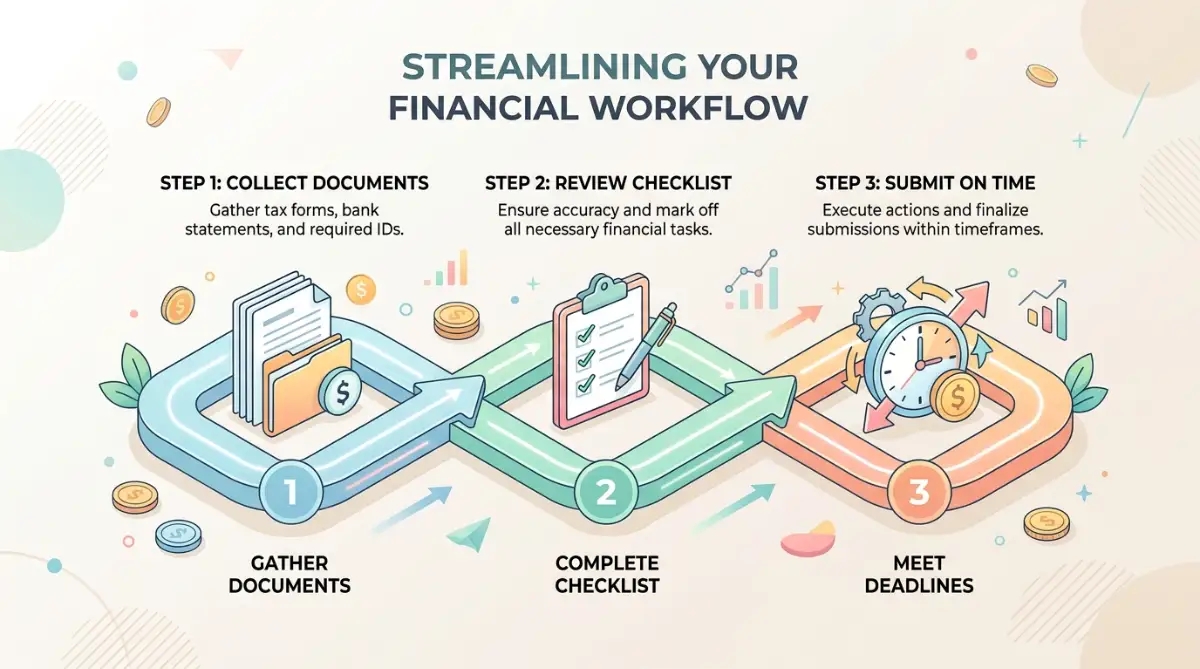
Navigating this system requires precision, patience, and a clear understanding of how the mechanics actually work. Let us break down the foundational steps you need to take right now to secure your path forward.
Step One: Verify Your Employer Status Immediately
Your job title matters much less than the tax status of the organization that signs your paycheck. You must work for a government entity at the local, state, federal, or Tribal level. Alternatively, qualifying positions include working for a non-profit organization tax-exempt under section 501(c)(3) of the Internal Revenue Code.
Many people assume that working in healthcare or education automatically qualifies them for relief. If your hospital or school operates as a private, for-profit enterprise, your monthly payments will not count. Always check your employer’s Federal Employer Identification Number on your W-2 form. Cross-reference that number with official lookup tools before assuming you are safe.
Step Two: Audit Your Specific Loan Types
Not all student debt is created equal when it comes to federal forgiveness programs. Direct Loans issued directly by the federal government qualify smoothly. If you hold older Federal Family Education Loans or Perkins loans, they sit outside the standard rules. Think of your loan type like a specific key designed to fit only one kind of lock. If you try to force an old loan type into the program, the door simply will not open. You may need to look into federal consolidation to bring your older loans under the direct loan umbrella. Pay close attention to how consolidation affects your past payment counts so you do not accidentally reset your clock.
Step Three: Choose the Right Repayment Plan
Making standard monthly payments for a decade will technically clear your direct loans, but it leaves nothing left to forgive. The whole point of the program relies on entering an income-driven repayment plan. These plans calculate your monthly bill based on what you earn rather than what you owe. Choosing the correct plan ensures your payments remain affordable while keeping you eligible for the remaining balance wipeout. Monitor your billing statements every single month to confirm your money goes toward the correct program track. If your servicer places you on a standard or ineligible plan, those months of payments vanish from your qualifying count. Keep meticulous personal records, save every billing statement, and treat your paperwork like a permanent financial resume.
Mastering the Advanced Mechanics of Your Path
Now that you have your employer verified and your loans structured correctly, we need to talk about the hidden gears of the machine. Most borrowers stop at the basic setup and assume everything will run on autopilot. That assumption is the exact reason why thousands of applications get rejected every single year. You need to treat your forgiveness journey like an ongoing financial project that requires regular maintenance. Let us dive into the advanced strategies that separate successful applicants from those who get denied at the finish line.
Step Four: Submit Your Employment Certification Form Every Single Year
Waiting until the end of ten full years to submit your paperwork is a massive gamble. Personnel departments change, company records get archived, and managers move on to other jobs. If you wait a decade to track down a signature from a boss who left five years ago, you might find yourself entirely out of luck. Make it a personal rule to file an Employment Certification Form at least once every twelve months. Doing this creates an official paper trail directly inside the government database. Each annual form locks in your qualifying monthly payments permanently. Think of it like saving your progress in a video game after passing a difficult level.
Step Five: Track Every Single Payment Like a Professional Auditor
Want to see these exact tracking steps in action? Watch this quick walkthrough to make sure your payment counts are logging correctly without any hidden errors.
Never assume your loan servicer is tracking your progress without errors. System glitches happen more often than you think, and months of payments can occasionally vanish into thin air. You need to keep a digital folder containing every billing statement, bank receipt, and approval letter. Log into your federal student aid account regularly to check your official qualifying payment count. If you notice a discrepancy where a payment was marked as late or missing, report it immediately. Taking an active role in auditing your own file protects you from administrative mistakes that could cost you thousands of dollars.
Step Six: Recertify Your Income Proactively Before Deadlines
Your income-driven repayment plan relies on annual income updates to calculate your monthly bill. If you miss the recertification deadline, your monthly payment can skyrocket back to the standard rate overnight. Worse yet, payments made during a lapsed recertification period often fail to qualify toward your total count. Set a calendar alert two months before your annual income recertification window opens. Gather your tax documents and submit your paperwork early to ensure a smooth transition. Staying ahead of deadlines keeps your monthly budget stable and prevents unnecessary panic.

Critical Mistakes That Can Derail Your Progress
Even with the best intentions, many borrowers trip over hidden obstacles that cost them years of wasted time. Recognizing these common traps helps you steer clear of expensive missteps.
Relying Solely on Verbal Advice from Loan Servicer Representatives
- The Trap: Believing phone representatives have the final authority on complex regulatory guidelines.
- The Reality: Servicer staff handle thousands of calls daily and sometimes provide incorrect or outdated information.
- The Fix: Always request written confirmation or secure messages for any major changes or structural advice regarding your loans.
Missing Tiny Details on Your Employer Certification Signatures
- The Trap: Submitting forms signed by a supervisor who lacks official authority in the human resources department.
- The Reality: The processing center strictly checks who signs the document, rejecting forms signed by direct peers or unauthorized managers.
- The Fix: Confirm that your form is signed by an official human resources representative or an authorized corporate officer.
Falling Behind During Job Transitions Between Qualifying Employers
- The Trap: Assuming that taking a short break between public service jobs has zero impact on your timeline.
- The Reality: You only earn qualifying credit during months where you maintain active employment on the final day of the billing cycle.
- The Fix: Plan your career moves carefully so your start dates and end dates align without creating unprotected gaps.
Consolidating Without Understanding the Reset Rule on Old Payments
- The Trap: Rushing into a loan consolidation without checking how it affects your historical progress.
- The Reality: Historically, consolidating loans wiped out all previous payment counts, forcing borrowers to restart their ten-year clock.
- The Fix: Review current federal adjustment rules carefully to ensure your historical counts carry over properly before you consolidate.
Failing to Switch Repayment Plans After Changing Jobs
- The Trap: Staying on a standard repayment plan while working a public service job, assuming all payments automatically count.
- The Reality: Standard repayment plans pay off the loan too quickly, leaving zero remaining balance to forgive after a decade.
- The Fix: Audit your payment plan the moment you start a new job to guarantee you are enrolled in an income-driven track.
Securing Your Financial Freedom Through Consistent Action
Taking control of your student loan journey requires patience, organization, and a refusal to let bureaucratic confusion slow you down. You hold the power to change your financial future by treating this process with the seriousness it deserves. Every document you file, every payment you track, and every rule you master brings you one step closer to complete financial independence. Do not let the complexity intimidate you into inaction or delay. Start organizing your paperwork, verify your employment status, and take charge of your path today. Your future self will thank you for the diligence and effort you invest right now.