
The Hidden Emotional Toll of Debt
Debt is rarely just about numbers on a screen. For most people, it feels like a heavy weight that follows them into every room of the house. You might wake up with a tight chest, wondering how to make ends meet before the next payday arrives. This constant pressure turns simple choices—like buying groceries or fixing a car—into major sources of stress.
When your bank account balance stays low, your brain stays in a state of high alert. You start avoiding calls from unknown numbers and dread opening your mailbox. This isn't just a financial problem; it is a mental drain that affects how you show up for your family and work. You feel trapped in a cycle where your income vanishes as soon as it arrives.
Why Common Financial Advice Often Fails
Many people try to fix their money issues by looking at spreadsheets and interest rates. While math is important, it ignores the human side of spending and saving. When you only focus on the logic, you often lose your motivation because the progress feels invisible.
Here is why typical advice often leaves people feeling stuck:
- Over-reliance on Math: Experts often tell you to pay off the highest interest debt first. This is mathematically sound but psychologically punishing because high-interest debts are often large and take forever to clear.
- Lack of Immediate Wins: Without small, quick successes, your brain loses interest in the goal. You need to see progress to keep pushing forward.
- Ignoring Human Behavior: Traditional advice assumes you are a robot who can ignore emotions. In reality, your feelings drive your spending habits more than a calculator does.
How Financial Stress Breaks Your Confidence
Living in a state of constant debt creates a ripple effect throughout your entire life. It forces you to say "no" to opportunities, travel, or even simple peace of mind. This leads to a deep erosion of your self-trust. You start to believe that you are simply "bad with money," which is rarely true.
The impact of this cycle includes:
- Feeling Defeated: When you try to save and fail, you stop trying altogether. This "all-or-nothing" thinking keeps you stuck in the same place for years.
- Reduced Decision-Making Power: Constant stress makes it hard to plan for the future. You become stuck in survival mode, only worried about getting through the current week.
- Relationship Tension: Money is one of the most common causes of conflict between partners. The secrecy and shame around debt create invisible walls between people.
Choosing to ignore this pain doesn't make it go away; it only makes the situation harder to manage. You deserve a system that acknowledges your struggles and celebrates your small victories. Behavioral change is not about being perfect. It is about building habits that make the right choice the easiest one to make.
Step 1: Listing Your Debts for Total Clarity
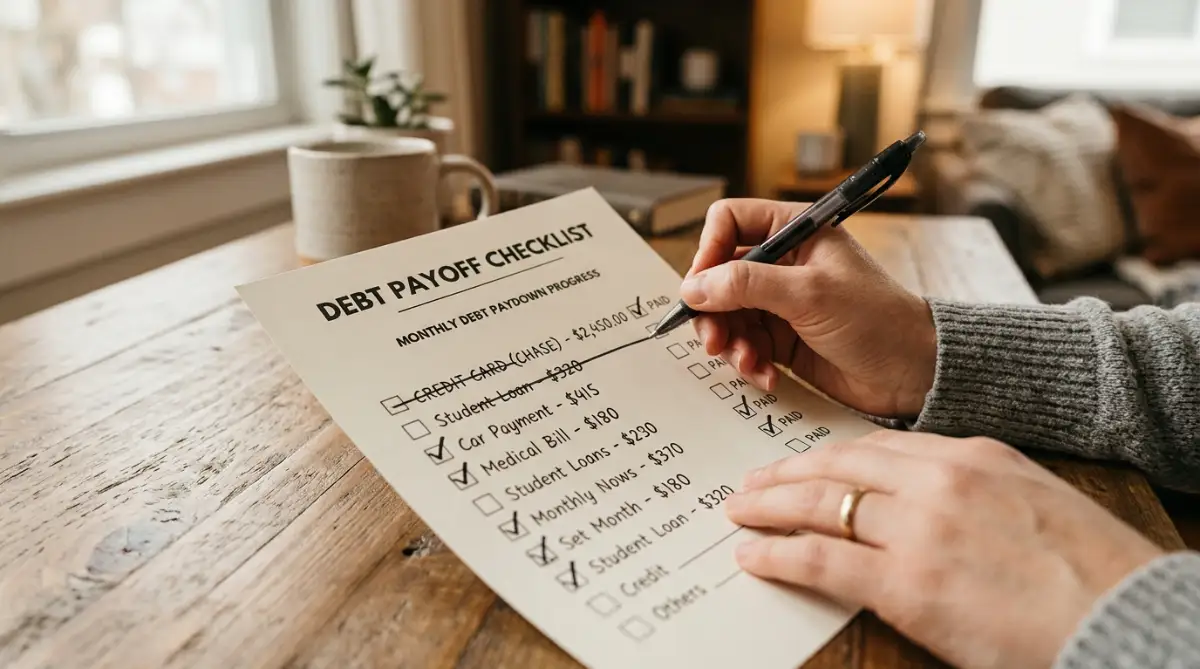
The first move is to stop hiding from your numbers. Grab a piece of paper or open a blank document and write down every single debt you owe. Do not worry about interest rates or total amounts right now. Just get them all in one place so you can see the full picture.
List them by the total balance owed, starting with the smallest balance at the top. This list is your roadmap to freedom. By seeing these numbers written down, you take the power away from the fear you have been carrying. You are no longer guessing; you are now managing.
Step 2: The Psychological Power of Small Wins
Now that you have your list, focus all your extra money on the smallest debt while paying the minimum on everything else. When you pay off that first tiny balance, something shifts in your brain. You experience a quick win that releases dopamine, which makes you want to keep going.
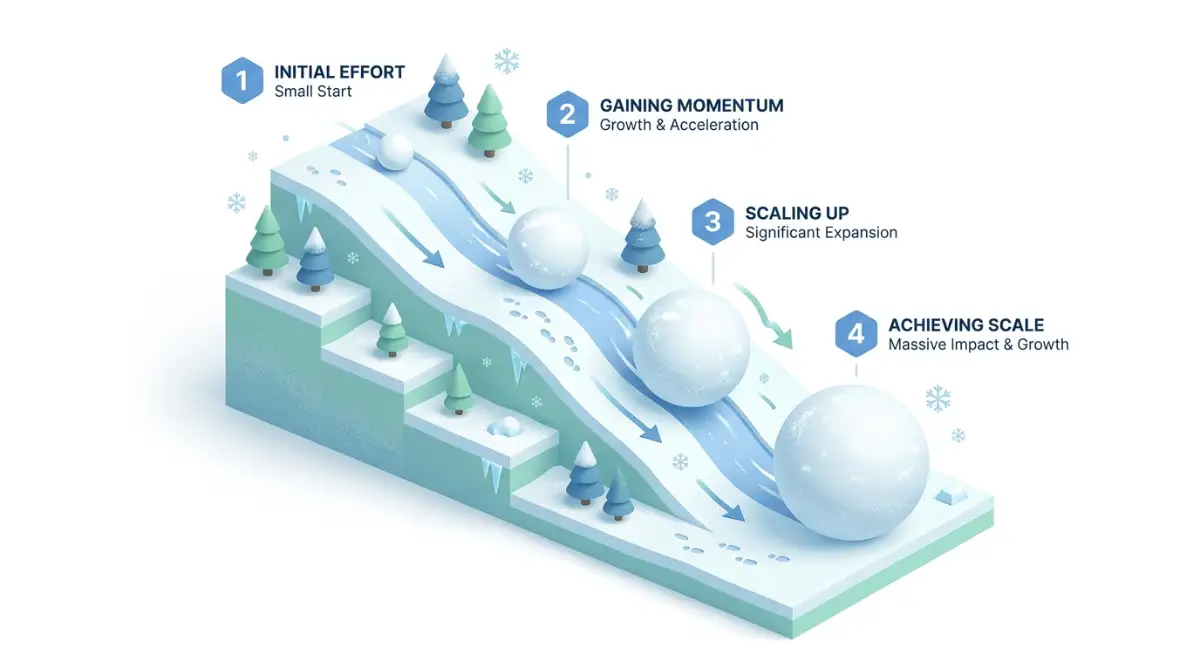
This is the core of the snowball effect. Think of it like a snowball rolling down a hill. At the top, it is tiny and easy to manage. As it picks up speed and covers more ground, personal finance it gets bigger on its own. Your financial momentum works the exact same way.
Step 3: Automating Your Success
To make this stick, you must remove the need for willpower. Set up automatic payments for your minimums so you never miss a deadline. Then, treat your snowball payment like a mandatory bill that you pay to your future self.
When you remove the choice of "if" you will pay, you win the battle before it starts. Consistency beats intensity every single time. By focusing on one debt at a time, you keep your brain engaged and your excitement high. You aren't just paying bills; you are reclaiming your life one small victory at a time.
Advanced Techniques to Accelerate Your Progress
Once you master the basics, budgeting tips it is time to look at advanced strategies that keep you on the right track. Many people start strong but lose their way after a few months. To stay ahead, you must treat your finances like a professional project rather than a chore.
Step 4: Finding the "Hidden" Money
You likely have small expenses that bleed your budget dry without you noticing. Look for subscriptions you no longer use or memberships that provide little value to your daily life. Cancel these immediately and divert that cash directly into your snowball payment.
Think of this as a mini-raise for yourself. Even an extra twenty dollars a month makes a massive difference when you apply it to your smallest debt. Small, repeated actions create massive results over time.
Step 5: The Power of Seasonal Income
When you receive a bonus, tax refund, or gift, do not spend it on things you don't need. Direct the entire amount toward your current snowball debt target. This acts as a turbocharger for your plan.
Many people fall into the trap of "lifestyle creep" when they get extra money. Instead, use these lump sums to knock out a debt balance entirely. Seeing a line item disappear from your list gives you a huge mental boost that keeps you motivated.
Staying Consistent for the Long Haul
The biggest secret to long-term success is managing your environment. If you struggle with overspending, leave your credit cards at home. Use a debit card or cash for a few months until your spending habits settle down.
Create a visual tracker on your wall where you can color in boxes as you pay off debt. This turns your journey into a game. When you can see your progress physically, you are much less likely to quit when things get tough.
Remember, this is a marathon, not a sprint. Celebrate the milestones, even the small ones. If you pay off a debt of one hundred dollars, take a moment to be proud of yourself. Self-reward helps your brain stay attached to the positive goal.
Common Pitfalls to Watch Out For
Even with a great plan, it is easy to stumble if you aren't careful. Many people repeat the same mistakes that keep them trapped in the cycle of debt. Avoid these common traps to ensure your plan actually works.
1. Trying to Do Too Much at Once
Some people try to save money, invest for retirement, and pay off debt all at the same time. This stretches your resources too thin and slows down your momentum. Focus on one target so you can see clear progress, then move to the next.
2. Ignoring Your Emergency Fund
If you put every single cent toward debt without a backup, one flat tire can ruin your plan. Always keep a small emergency fund of one thousand dollars before going aggressive on debt. This protects you from having to use credit cards again when life throws a curveball.
3. Relying Only on Willpower
Willpower is a limited resource that runs out by the end of the day. Instead, automate your payments and remove the temptation to spend. If you have to make a choice every time, you will eventually make the wrong one.
4. Comparing Your Chapter One to Someone Else’s Chapter Ten
Social media is full of people showing off their "wealthy" lifestyles. Remember that you don't know if they are actually in debt. Focus only on your own progress and your own list of debts.
5. Giving Up After One Slip-Up
If you overspend one month, do not throw the whole plan away. One mistake does not mean you have failed. Acknowledge it, learn from it, and get back on track the very next day.
Your Path to Financial Freedom Starts Today
You have the tools and the strategy to change your future starting right now. Stop waiting for the "perfect" time to fix your money habits. The best time to start was yesterday, but the second best time is right now.
Take a deep breath and look at your debts with a new sense of calm. You are now the one in control of your money, not the other way around. Keep your eyes on the goal and remember that every dollar you pay off is a step toward true peace of mind.
Believe in your ability to change. Your financial story does not have to end where it is today. You are building a new foundation, and with every small win, you are getting stronger. Take that first step today and watch how your life begins to change for the better.