The Morning My False Security Crumbled
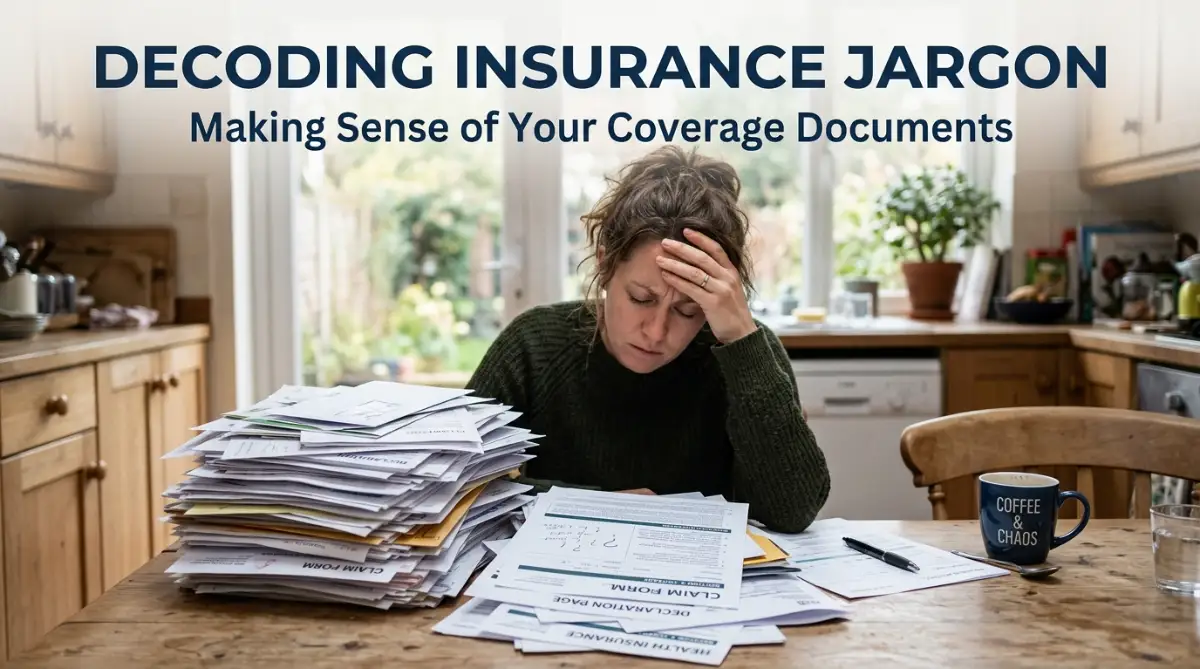
I still remember the heavy sinking feeling in my stomach when I sat across from my former manager and heard the words that changed everything. My position was being restructured, and just like that, my corporate career came to an abrupt halt. But the financial shock hit me even harder when I realized that all my family life insurance protection had vanished right along with my office desk. For years, I had walked around with a quiet arrogance, genuinely believing my employer had my back completely covered. I never bothered to look at the fine print of my benefits package because trusting the system felt so much easier. That painful realization opened my eyes to a massive vulnerability that millions of hardworking people ignore every single day.
The Silent Weight of Workplace Vulnerability
When you rely entirely on a job-based policy, you trade your peace of mind for temporary convenience. Every single month, millions of employees assume their families are completely safe simply because a human resources brochure lists a neat life insurance multiplier. Yet, this false comfort often breeds a dangerous sense of apathy toward personal financial planning. You go about your daily routine, paying bills and raising kids, entirely unaware that your financial safety net rests on the fragile foundation of your current employment status.
The psychological toll of this hidden vulnerability can slowly drain your inner peace. Imagine waking up with a nagging anxiety about what would happen to your mortgage or your children's education if your company downsizes tomorrow. This constant undercurrent of worry stops you from living fully in the present moment. People trapped in this cycle often experience restless nights, straining relationships, and a persistent fear of economic instability. You start tying your entire family's survival to a corporate entity that views you merely as a line item on a spreadsheet.
Breaking Free From the Corporate Safety Illusion
Let us take a moment to look at how this illusion actually functions behind closed doors. Corporations offer group life policies as a cheap perk to attract talent, not as a personalized gift tailored to your family's unique needs. These group policies are typically tied directly to your active employment, meaning they hold zero personal equity or portability. The moment you leave the company, whether by choice or sudden layoff, that coverage disappears into thin air.
Think about it like renting a furnished apartment where the landlord can kick you out with zero notice, leaving you sleeping on the sidewalk. You build no long-term equity, and worse, as you grow older, obtaining your own independent policy becomes significantly more expensive. When you finally wake up to this reality, you realize that trusting a corporate HR department with your ultimate family legacy was a massive gamble all along.
 Taking Control: Your Step-by-Step Independent Protection Blueprint
To fix this dangerous dependency, you need to shift your mindset from passive employee to active family protector. Building an independent safety net is not as complicated as the insurance industry makes it sound. By taking intentional steps today, you can sever the invisible chains tying your family's financial security to your office job. Let us explore how you can regain total control over your future through practical, real-world actions.
Step One: Audit Your True Financial Exposure
You cannot fix a leak if you refuse to measure how much water you are actually losing. Sit down at your kitchen table this evening with a cup of coffee and look at your actual household expenses. Calculate your outstanding mortgage, your children's future college costs, and daily living expenses over a realistic timeline. Do not look at the generic three-times-salary number your employer hands you on a glossy PDF. Ask yourself honestly: if your paycheck stopped arriving permanently next month, how many months could your current savings and group policy actually sustain your household?
Pro Tip: When I finally did my own financial audit years ago, I realized my employer's policy barely covered twelve months of living expenses. That brutal reality check forced me to stop procrastinating and shop for a reliable term policy that actually matched my family's real-world needs.
Step Two: Secure a Portable Individual Policy
The most powerful move you can make is purchasing an independent term life insurance policy completely outside of your workplace. Unlike group policies, an individual policy follows you wherever you go, whether you switch careers, start a business, or retire. It locks in your premium rate based on your current age and health, meaning the insurance company cannot suddenly hike your prices or cancel your coverage because of corporate budget cuts. Think of this as buying your own piece of financial land rather than renting a tiny room in someone else's building.
When you own your policy, you hold the steering wheel of your life. If your boss becomes toxic tomorrow, you can walk away with absolute confidence knowing your family remains fully protected. That kind of freedom is priceless, and it completely transforms how you navigate your professional life.
Step Three: Build a Bridge Between Two Worlds
If you currently have a generous employer-sponsored plan, do not cancel it immediately. Instead, treat it as a temporary bonus while you set up your permanent foundation. Think of your workplace policy as training wheels on a bicycle while your independent policy is the main frame that keeps you balanced. Overlap your coverage for a brief period to ensure zero gaps exist during your transition.
- Assess the gap: Look at the difference between what your job provides and what your family actually needs.
- Shop independently: Compare quotes from multiple independent carriers to secure the best rate.
- Lock it in: Finalize your independent plan before making any major career moves.
Understanding the Bigger Picture
Many people fall into the trap of believing that insurance is just an unnecessary monthly expense. In reality, it is the ultimate act of love and responsibility toward the people who depend on you. When you rely solely on a company-provided plan, you are gambling with your family's peace of mind. Economic shifts happen rapidly, and businesses restructure overnight without sending out a warning letter to your personal inbox.
To help you visualize how these two worlds compare, let us look at a quick breakdown of structural differences:
The Ultimate Path Forward
Taking your financial destiny into your own hands requires courage and clear vision. Do not wait for a sudden layoff or a health scare to remind you of what matters most. Start small, review your numbers, and take that crucial step toward independent protection today. Your family's future security is far too valuable to leave in the hands of a corporate human resources department. Embrace the power of autonomy, build a resilient financial fortress, and enjoy the true peace of mind that comes from knowing you are genuinely in control.
Mastering Your Long-Term Protection Strategy
When you finally step away from the corporate ladder or transition into a new career phase, your financial security should never feel like a house of cards ready to collapse. Maintaining independent coverage requires a proactive mindset and a solid understanding of how policies adapt over time. You must regularly review your coverage limits to ensure they match your current life milestones, such as buying a home, starting a business, or expanding your family.
Think of your insurance policy as a living document rather than a one-time purchase you file away and forget. As you grow older, your debt obligations usually decrease, but your medical and legacy needs may shift dramatically. By keeping an open dialogue with an independent advisor who is not tied to a single corporate entity, you can adjust your coverage tiers seamlessly without facing sudden policy termination shocks.
The Hidden Power of Policy Riders and Flexibility
One of the greatest secrets to long-term financial stability is learning how to utilize policy riders effectively. These are specialized add-ons that customize your primary plan to protect against unforeseen health crises or economic downturns. For instance, adding a waiver of premium rider ensures that your protection stays active even if an unexpected injury or illness stops you from earning an income.
When I first added a conversion rider to my own term policy, it gave me immense peace of mind knowing I could transition to permanent coverage later without undergoing another medical exam. This kind of flexibility shields you from the unpredictable twists and turns of life that corporate HR packages simply cannot match. You want a financial tool that bends with the wind rather than snapping under pressure.
Cultivating Financial Habits That Outlast Career Shifts
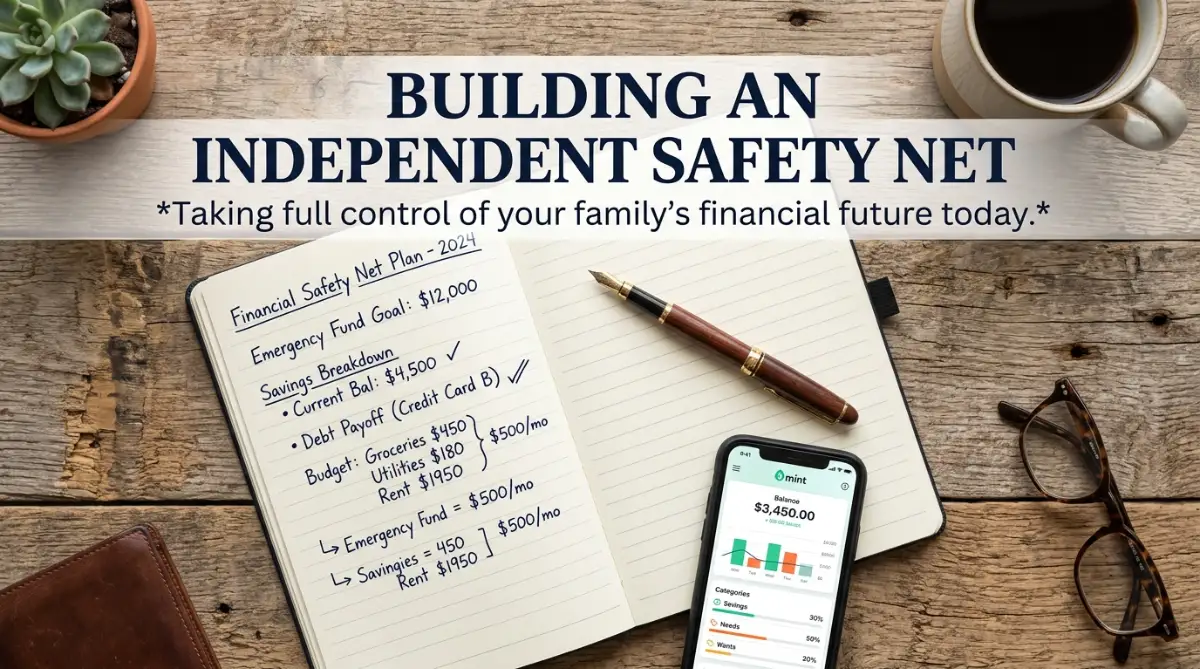
Building true independence means separating your career identity from your personal financial survival. Make it a habit to set aside a dedicated portion of your monthly budget specifically for your independent protection needs. Treat this expense with the exact same priority as your rent, mortgage, or utility bills.
- Automate your payments: Set up automatic bank transfers so your policy never lapses due to a busy schedule.
- Review annual statements: Take thirty minutes every year to verify that your beneficiary designations and coverage amounts are completely up to date.
- Avoid coverage gaps: Never cancel an existing policy until your new, independent safety net is fully approved and active.
The Dangerous Traps That Catch Unprepared Policyholders
Walking through the world of insurance without a clear map can easily lead you into costly financial traps. Many people assume that having any policy at all means they are completely safe from harm. Unfortunately, this dangerous overconfidence often blinds families to hidden exclusions, rising premium rates, and inadequate coverage limits.
If you fall into the trap of assuming your workplace plan will protect you forever, you leave your loved ones exposed to sudden economic ruin. Companies change benefit providers, downsize departments, or alter group policies with very little warning. Relying on these shifting corporate sands is like building a sandcastle right at the edge of the shoreline during high tide.
Another massive pitfall is waiting too long to lock in an independent policy because you feel invincible in your youth. Every birthday that passes increases your baseline premium rates and increases the risk of developing minor health conditions that make coverage more expensive. Waiting for the "right time" often turns into waiting until it is too late, leaving you trapped in a cycle of high costs and limited options.
Securing Your Family's Legacy Today
Taking full charge of your family's financial destiny is the ultimate gift of care and responsibility you can offer. By breaking free from the fragile illusion of corporate dependence, you build a fortress that stands tall no matter what happens in the professional world.
I learned through my own financial wake-up call that true peace only arrives when you stop outsourcing your family's survival to a paycheck you do not control. Take a deep breath, review your options, and step into total financial independence today.
Common Questions About Independent and Workplace Protection
Can I keep my employer-sponsored life insurance if I quit my job?
Most standard workplace group policies are entirely non-portable, meaning they terminate the moment your employment ends. While some plans offer a conversion option, the rates for converting a group policy into an individual one are often excessively high and financially impractical.
How much independent coverage do I actually need?
A reliable rule of thumb is to calculate enough coverage to replace ten to fifteen times your annual income, plus enough to clear all major debts and fund future education goals. You can explore more about managing financial commitments through resources like this guide on managing personal budget.
Is term life insurance better than relying on workplace benefits?
Yes, because an independent term policy belongs entirely to you, locks in your rate for decades, and stays with you regardless of career changes. To understand more about how contract clauses protect you, check out this deep dive into decoding the grace period clause.
What happens if my health changes while I have an independent policy?
Once your independent policy is approved and active, the insurance company cannot alter your rates or cancel your coverage due to future health changes. For tips on how to secure the best rates initially, review this advice on how to prepare for your insurance medical exam.
Disclaimer
The information provided in this blog post is for educational and informational purposes only and should not be construed as professional financial or legal advice. Insurance products, terms, and regulations vary significantly based on individual circumstances and geographic locations. Always consult with a licensed financial advisor or insurance professional before making any major financial or policy decisions.