
Your Path to a Better Score
- Audit First: Download your report and highlight specific errors.
- Prove It: Collect bank statements to back up your claim.
- Write Firmly: Use clear, short letters to request corrections.
- Be Patient: Stay on top of your mail while the bureaus investigate.
he Hidden Weight of Inaccurate Credit Records
Getting a loan rejection letter is frustrating, especially when your finances are actually in good shape. Most people assume the lender is wrong, but the real issue is often hiding in your credit report as a simple data error. You can fix this, and you don’t need to pay a lawyer to do it. Here is how you can spot these mistakes and take control of your financial reputation yourself
Many individuals are walking around with damaged financial reputations they did not earn. It happens because of simple data errors. A wrong address, a debt that was already paid, or even someone else's account mixed into your file.
The cycle of frustration often looks like this:
- You apply for a loan and get hit with a high-interest quote.
- You try to explain the issue, but lenders only care about the score.
- You spend hours on the phone with agencies who pass you from one department to another.
- You eventually give up, believing the system is rigged against you.
Why the process feels impossible:
- Most people do not know which agency to call first.
- The legal jargon used in reports is intentionally confusing.
- Misinformation online leads many to pay "repair" companies that do nothing.
- The fear of making a mistake keeps people from taking any action at all.
This is not just about a score. It is about your freedom. When your data is wrong, you lose the power to negotiate. You lose the ability to move into a new home or upgrade your transportation. It is time to stop accepting these errors as the final word.
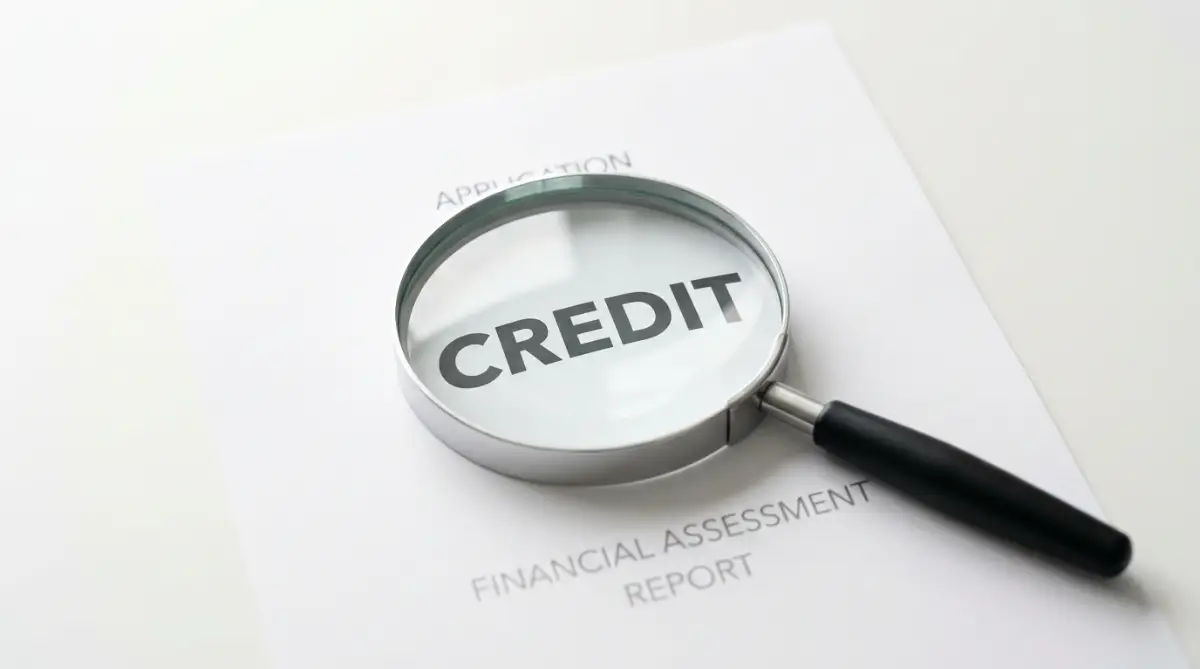
Step 1: Identifying the Ghosts in Your Data
Think of your credit report like a medical record. If a doctor had the wrong blood type listed for you, it could lead to bad results. Credit bureaus work the same way. If they have your neighbor's old address or a paid-off car loan listed as "active," your score drops even though you did nothing wrong.
The first step to fixing your record is seeing exactly what is there. You cannot dispute what you have not seen. Most people make the mistake of guessing where the error lies. You must start by gathering your official reports.
You are entitled to a free copy of your credit report from each of the major bureaus. Do not pay for these services. Use the official government-sanctioned website to download them. Once you have the files, sit down in a quiet place with a highlighter.
Review your files for these common ghosts:
- Accounts that you never actually opened.
- Payments that you made on time but are marked as late.
- Balances that are listed as higher than what you actually owe.
- Old debts that should have dropped off your record by law.
Check your personal information as well. Sometimes, a simple typo in your Social Security number or date of birth can link someone else’s history to your profile. Take your time here. Accuracy is your best friend when you prepare to fight back.
Step 2: Gathering Your Evidence and Proof
A clean, high-angle photorealistic shot of a desk showing a laptop screen with a credit report error circled in red, next to a bank statement and a blue pen. Soft natural lighting, professional office style, 4k.
Once you find an error, you need a weapon. In the world of credit reporting, your weapon is documentation. Do not send a vague complaint. A simple email saying "this is wrong" will rarely work. You need to build a solid paper trail.
If the report claims you missed a payment in a specific month, go back to your bank records. Find the bank statement from that month that shows the money leaving your account. Print it out. Highlight the transaction.
Documents that carry weight:
- Cancelled checks or front and back images of cleared checks.
- Letters from the creditor admitting the account is paid in full.
- Court documents if a judgment was listed in error.
- Utility bills showing your correct current address.
Keep the originals safe. Only send copies of your evidence. Use a method that tracks your mail so you know exactly when the bureau receives your documents. This creates a deadline for them to respond.
Step 3: Drafting a Clear and Firm Dispute Letter
A professional 3D isometric illustration of a person putting a letter into a mailbox, representing a credit dispute letter being sent. Minimalist style, white background, soft blue and gray color palette.
Now you are ready to write. Your letter should be professional, direct, and free of emotional venting. Bureaus have to process thousands of requests. Make yours stand out by being easy to read.
Start with your identifying information. Clearly state your name, address, and account details. Then, list the specific errors. Do not group them together. Use a numbered list so the agent can check them off one by one.
Key components of a winning letter:
- A clear statement that you are disputing inaccurate information.
- A request for the bureau to investigate and verify the data.
- A mention of the attached copies of your supporting evidence.
- A firm request for a corrected report to be sent to you.
Send this letter via certified mail with a return receipt. This is your proof that you followed the law. By doing this, you force the bureau to acknowledge your dispute. The law requires them to investigate, usually within 30 days.
Understanding the Verification Process
| Error Type | What it actually means | How to fix it |
| :--- | :--- | :--- |
| Late Payment | Marked as missed but paid | Show bank statement |
| Wrong Account | Someone else's debt | Request identity verification |
| Closed Account | Listed as still open | Send closure letter from bank |
When the bureau receives your letter, they contact the "furnisher." This is the bank or store that sent the original data. They must prove that the data is correct. If they cannot provide proof, they are legally required to delete or update it.
This process is why your evidence matters so much. If your bank statement shows you paid on time, the creditor has a very hard time proving otherwise. They cannot simply ignore your claim. They have to review the actual records on their end.
Avoiding Common Pitfalls
Many people fail because they lose patience. They send one letter and then stop. If the bureau replies that the data is "verified," do not assume the fight is over. You have the right to ask for the method of verification.
Ask them to tell you who exactly they spoke to at the creditor’s office. Ask them to show you the document that proves the debt is yours. Often, the bureau cannot provide this. When they cannot, you can submit a secondary dispute with even more pressure.
Why Accuracy Matters for Your Loan Eligibility
Banks look at your credit report as a map of your reliability. If your map has false obstacles, you are essentially paying higher prices for no reason. Fixing these errors is not just about a higher number. It is about fairness.
Final Thoughts on Taking Control
You are the only person who will truly fight for your financial health. Do not wait for the credit bureaus to notice their own mistakes. They are businesses, not government auditors. You must be the one to highlight the errors.
Start with your report today. Gather your documents tonight. Write your letter this weekend. Every small step you take is a move toward the loan eligibility you deserve. Be consistent, stay organized, and watch as your financial record finally starts to reflect the real you.
Advanced Strategies for Long-Term Financial Health
Once you have submitted your first round of disputes, you must remain vigilant. Many people assume the job is done once the letters are sent. However, staying proactive is what separates those who get stuck from those who see their credit score soar.
Tracking Your Progress with Digital Tools
You should start using reputable, free credit monitoring tools. These apps provide alerts whenever a change hits your file. If a bureau updates your status or a creditor reports a new balance, you will know within twenty-four hours.
How to stay ahead of the game:
- Check your accounts every month like clockwork.
- Set up alerts for any new inquiries on your file.
- Log into your accounts to confirm that payments are processed correctly.
- Keep a simple spreadsheet of every dispute letter you have sent.
Monitoring gives you the power to catch errors before they spiral. If an old error reappears, you can act immediately. Most bureaus allow you to submit digital disputes now, which makes the second round much faster.
Building Credit Habits That Stick
Your goal is not just to fix past mistakes but to prevent future ones. Think of your credit report like a garden. If you do not tend to it, weeds will naturally grow back. You need a maintenance routine that keeps your data healthy.
Practical habits for lasting results:
- Automate your payments: Even a single missed payment can hurt your progress. Use your bank’s auto-pay feature to cover the minimum amount.
- Keep balances low: Aim to use less than thirty percent of your available limit. This shows lenders that you are not desperate for cash.
- Avoid closing old cards: The age of your credit history matters. Keeping old, unused cards open helps your score look more stable.
- Limit new applications: Every time you apply for a new card or loan, your score takes a small dip. Only apply when you really need the credit.
By following these steps, you protect your hard-won progress. You create a profile that looks stable and reliable to any lender. This consistency is the secret sauce for long-term loan eligibility.
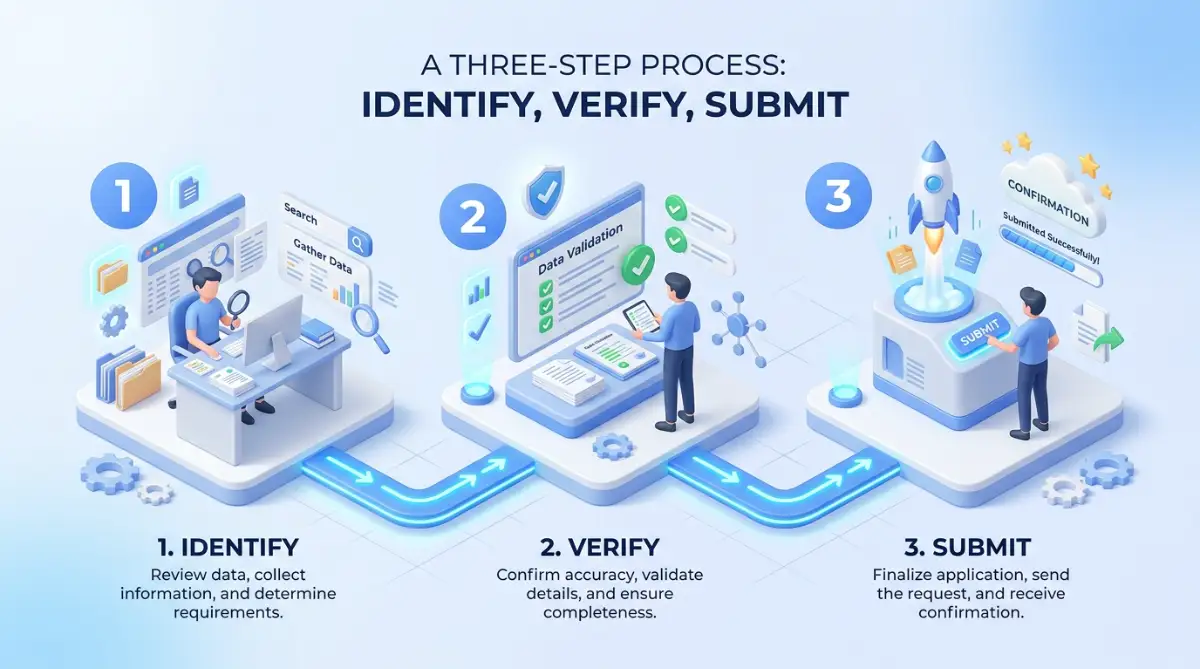
Common Pitfalls That Stall Your Progress
Fixing your report is a precise process. Even a tiny mistake can cause a bureau to reject your case. Avoid these five traps to ensure your path remains clear.
1. Relying on phone calls instead of letters
Phone agents are helpful, but they cannot legally commit to a permanent change. Always use certified mail for disputes. Paper trails are the only evidence that holds up in a legal audit.
2. Sending your original documents
Never mail your original bank statements or birth certificates. Bureaus are not responsible for returning your personal property. Always send clear, readable photocopies.
3. Filing multiple disputes at once
If you have ten errors, do not dump them all into one massive letter. Bureaus may view this as "frivolous" or confusing. Attack one or two major errors at a time to stay organized.
4. Ignoring the fine print on notices
Bureaus will send you updates via mail. Some of these are generic, but others contain specific requests for more info. If you miss a deadline, they will simply close your case.
5. Trusting "Credit Repair" agencies blindly
Most of these services promise miracles they cannot deliver. They often send the exact same template letters you could write yourself. You are the only person who truly knows your financial history.
These mistakes can lead to months of wasted time. By avoiding them, you keep your dispute process professional and effective. Treat your credit report like a legal document—because it is.
A Path to Your Financial Independence
Fixing your credit report is more than a legal task. It is a bold step toward taking command of your life. When you clear the errors, you open doors that were previously locked. You prove that you are a responsible partner to any lender.
You now possess the roadmap to correct your records. You know how to spot the mistakes, how to build your case, and how to protect your status. Do not feel intimidated by the bureaus. They work for the system, but you work for your future.
Your actionable takeaways for today:
- Download your reports tonight and start the initial review.
- Gather the supporting evidence for your biggest error.
- Draft your first professional letter using clear, firm language.
- Check your monitoring app to ensure you see the changes unfold.
Believe in your ability to correct your history. Your financial story is yours to write, and you deserve a version that is accurate and fair. Start today, stay patient, and take pride in your progress. The benefits of your effort will show up in your next loan application and for years to come.