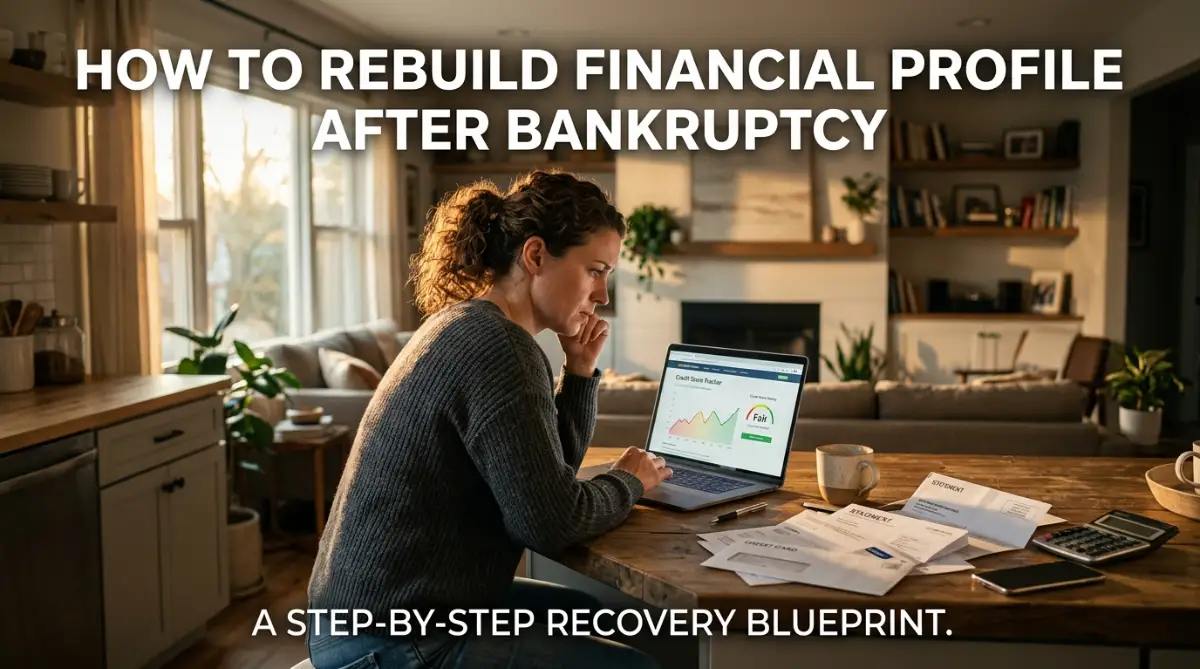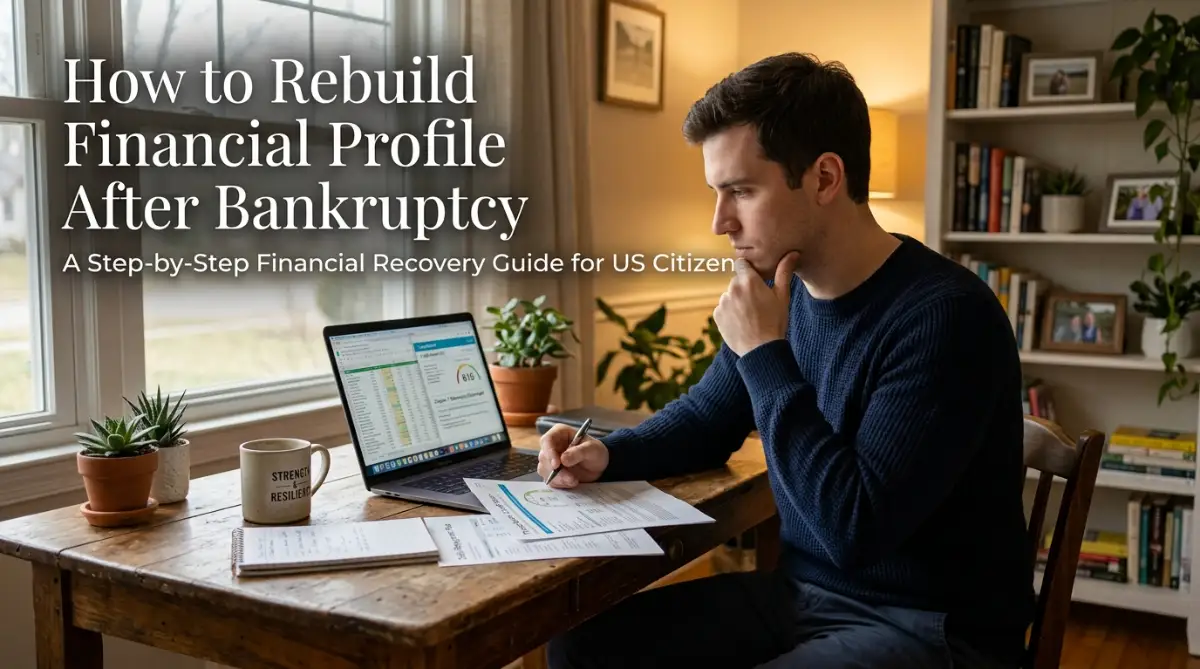
Facing the Financial Mirror: My Journey Out of Bankruptcy Court
Stepping out of the federal courthouse doors after finalizing my Chapter 7 bankruptcy felt like walking through a heavy fog with no map in sight. The silence inside my mind was deafening, echoing with the lingering weight of legal paperwork, unpaid debts, and the crushing realization of a shattered financial identity. I remember sitting in my parked car for nearly an hour, staring blindly at the steering wheel while wondering how my life had spiraled to this exact coordinate. My hands shook as I held the official discharge notice, a legal document that offered both absolute relief and an overwhelming sense of professional failure. Every financial milestone I had worked toward during my early adulthood had effectively been wiped clean from the slate.
The days that followed that court appearance proved to be an unyielding test of emotional resilience and daily perseverance. Simple, everyday tasks that most people take completely for granted transformed into stressful bureaucratic hurdles for me. When I tried to lease a modest apartment close to my workplace, the property manager’s automated screening tool instantly flagged my profile due to the recent public record. Landlords looked at me with cautious hesitation, demanding double security deposits or outright rejecting my rental applications despite my stable monthly income. Utility companies requested hefty security down payments just to keep the lights and water running smoothly in my name.
Financial isolation became an uncomfortable reality that dictated almost every consumer choice I made. Walking into a local auto dealership to secure reliable transportation to my job turned into a humiliating exercise in rejection and predatory interest rates. Lenders waved subprime auto loan offers in my face carrying double-digit annual percentage rates, treating me like a high-risk liability rather than a human being trying to recover. Grocery shopping, gas station visits, and unexpected medical expenses forced me to live strictly on a cash-only basis, leaving zero room for breathing space. The psychological toll of carrying a severely damaged credit standing seeped quietly into my personal relationships and daily peace of mind.
What frustrated me the most during those grueling initial months was the total lack of practical, actionable direction available to everyday consumers. Traditional personal finance advice often felt utterly tone-deaf, preaching generic budgeting tips that completely ignored the harsh mechanics of recovering from a legal bankruptcy filing. I realized quickly that shedding old debts through legal channels was only the very first chapter of a much longer, uphill battle. My ultimate survival depended entirely on learning how the complex gears of the American financial system operated beneath the surface. I needed to understand how credit bureaus processed data, how scoring models evaluated risk, and how to methodically construct a brand-new financial reputation from scratch.
Mastering Your Credit Report: The Foundation of Post-Bankruptcy Recovery
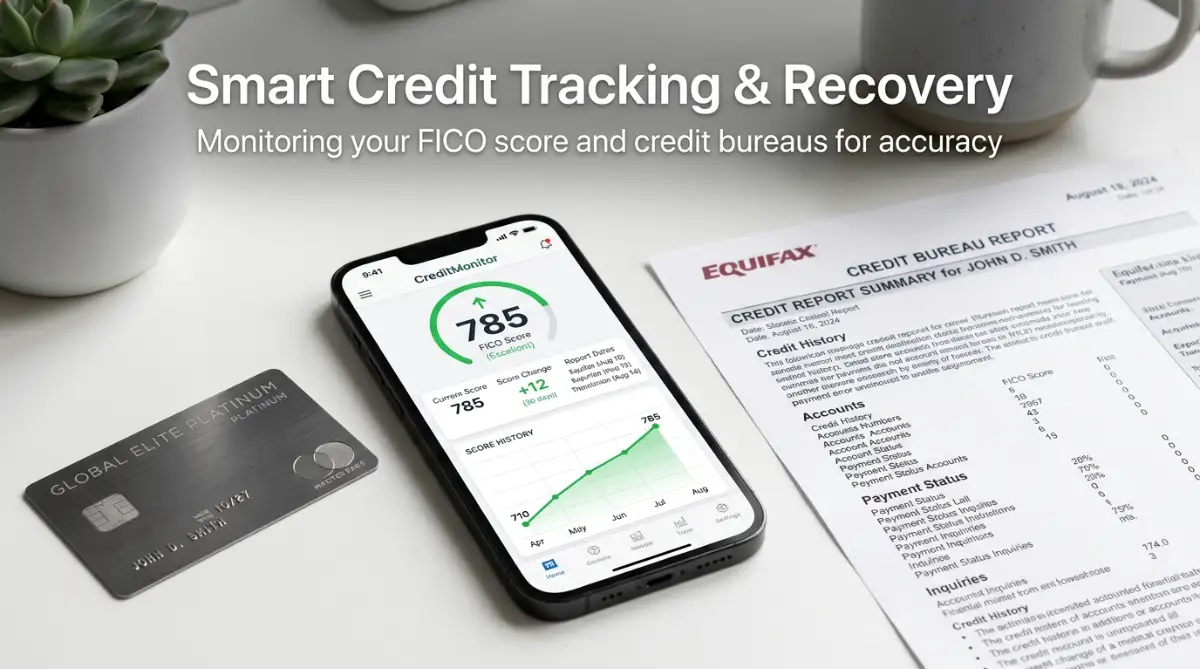
The very first practical step toward reclaiming your financial independence begins with auditing your credit reports from all three major bureaus: Experian, Equifax, and TransUnion. Under federal law, every consumer is entitled to free weekly copies of their credit reports through official government-authorized channels. Pulling these reports can feel intimidating when you expect page after page of negative remarks, collections accounts, and charge-offs. However, treating these documents as an objective medical chart of your financial health changes your mindset from fear to empowerment. You must comb through every single tradeline to ensure that discharged debts are correctly updated with a zero-dollar balance.
Many individuals make the critical mistake of assuming that the bankruptcy discharge notification updates every single creditor database automatically. In reality, creditors often lag behind in reporting accurate status updates to Experian, Equifax, and TransUnion, leaving inaccurate past-due statuses lingering on active files. An account that was legally eliminated in court might still improperly reflect active monthly delinquencies, dragging your recovering FICO score further downward. If you spot these glaring discrepancies, filing formal online disputes directly with the credit bureaus becomes an urgent priority. Providing clear documentation of your court discharge papers forces bureaus to correct or remove erroneous negative marks swiftly.
Quick Action Checklist for Initial Credit Bureau Audit
- Request All Three Reports: Obtain complete reports from Experian, Equifax, and TransUnion simultaneously.
- Verify Bankruptcy Status: Check that every pre-filing debt included in your case clearly states "Discharged in Bankruptcy" with a $0 balance.
- Identify Outdated Errors: Flag any collection accounts or third-party debt buyers still attempting to report inaccurate past-due amounts.
- Submit Formal Disputes: File evidence-backed corrections online for any incorrect tradeline data dragging down your profile.
My personal breakthrough happened on a quiet Tuesday evening when I spent four uninterrupted hours meticulously highlighting discrepancies across my Equifax and TransUnion reports. I discovered three separate credit cards that had been legally wiped out in court but were still showing monthly late payment penalties. By submitting digital copies of my discharge paperwork along with structured dispute letters, those harmful errors vanished within thirty days. That single administrative cleanup caused an immediate, measurable jump in my credit score, proving that proactive management yields real results. Taking control of your data sets the essential groundwork required to approach modern lenders with renewed confidence.
Re-Establishing Trust: Utilizing Secured Credit Cards Wisely
Once your credit reports accurately reflect your fresh legal status, the focus must shift toward demonstrating modern, positive payment behavior. Because traditional unsecured credit card issuers will likely turn you down during the early recovery phase, secured credit cards serve as your primary vehicle. A secured card requires you to place a refundable cash deposit with the issuing financial institution, which typically acts as your baseline credit limit. For instance, putting down a three-hundred-dollar deposit grants you a three-hundred-dollar spending limit, drastically minimizing financial risk for the lender. Major national banks and credit unions offer these specialized products specifically designed to help consumers rebuild damaged profiles safely.
Selecting the right secured card requires careful evaluation of terms, annual fees, and bureau-reporting practices. You must verify that the issuer actively reports your monthly payment history to all three major US credit bureaus—Experian, Equifax, and TransUnion. Some predatory subprime cards target post-bankruptcy consumers with hidden monthly maintenance fees and exorbitant setup costs that drain your limited cash reserves. Sticking with reputable, mainstream financial institutions protects your hard-earned money and ensures your positive behavior translates into tangible score growth. Always read the fine print regarding how and when the issuer transitions secured accounts into standard unsecured products.
Maintaining optimal credit utilization on your new secured card dictates how quickly your FICO score will rebound from its baseline low. Financial experts universally recommend keeping your revolving balance well below thirty percent of your total available credit limit at all times. Even better results occur when you practice micro-payments, paying off small gas or grocery purchases before the monthly statement closing date even arrives. This disciplined routine ensures that a very low credit utilization ratio gets reported to the bureaus every single month without fail. Consistency is the invisible engine that slowly convinces risk-assessment algorithms that you are a reliable borrower once again.
The psychological hurdle of using plastic again after experiencing the overwhelming stress of bankruptcy recovery should never be underestimated. During my own rebuilding phase, I treated my single secured card with a credit limit of two hundred dollars like a fragile piece of glass. I locked the physical card inside my desk drawer at home and set up an automatic monthly subscription streaming service to charge it strictly once per month. Then, I set my bank account to auto-pay the entire balance in full two days before the due date arrived. This automated system removed human temptation entirely while building a flawless, uninterrupted streak of on-time monthly payments.
Navigating the Nuances of Credit Mix and Length of History
As your foundational secured card matures and demonstrates reliable payment patterns, expanding your financial toolkit requires understanding secondary scoring factors. FICO scoring models evaluate credit mix, which accounts for roughly ten percent of your overall calculation, rewarding consumers who manage multiple credit types responsibly. However, rushing out to open numerous new accounts immediately after bankruptcy can backfire catastrophically, signaling financial desperation to automated underwriting systems. Patience remains your greatest asset as you carefully weigh whether adding a credit-builder loan or a second secured card makes strategic sense. Every inquiry and newly opened account temporarily drops your average account age, making measured pacing vital.
Length of credit history represents a significant fifteen percent of your overall FICO score calculation, presenting a unique hurdle for post-bankruptcy consumers. Because your previous older accounts may have been closed or marked negatively, your active credit history might look remarkably brief to automated scoring models. Keeping your very first secured card open indefinitely—even long after you qualify for premium unsecured rewards cards—preserves your oldest active tradeline. Never close your oldest positive account impulsively, as doing so shortens your average credit history length and can trigger an unexpected score drop. Longevity builds quiet, undeniable authority within your financial profile over extended periods of time.
Evaluating alternative credit-building tools, such as utility and rent-reporting services, can also provide a helpful buffer without requiring revolving debt. Services that report your timely apartment rental payments and monthly cell phone bills to major credit bureaus add positive data points to your thin file. These non-traditional tradelines demonstrate everyday financial responsibility to lenders who look beyond standard credit card histories. However, always review the subscription costs associated with these third-party reporting services to ensure they fit comfortably within your monthly budget constraints. Balancing these innovative options with traditional credit habits creates a well-rounded, robust financial profile capable of weathering future economic shifts.
I remember agonizing over whether to apply for a small credit-builder installment loan six months into my own recovery journey. My credit score had crept up past the initial post-bankruptcy baseline, but my credit mix consisted solely of a single secured revolving card. After researching various community banks and credit union programs, I secured a small six-month certificate-secured loan where funds were locked in a savings account while I made steady monthly payments. Watching my score tick upward with every completed installment reinforced the reality that financial recovery is an exact science. Every deliberate, calculated choice you make today directly shapes the doors that will open for you tomorrow.
Expanding Horizons: Transitioning to Unsecured Credit and Authorized User Strategies
Moving beyond the initial secured card phase requires a strategic shift in how you manage your revolving accounts. Once your credit profile demonstrates twelve consecutive months of zero missed payments, you can begin exploring unsecured options. Unsecured cards do not require a cash deposit collateral, freeing up your liquid funds for other emergency savings goals. However, lenders will review your post-bankruptcy FICO score closely before approving any new revolving lines of credit. Checking your pre-qualification status online without triggering hard inquiries helps you avoid unnecessary credit hits.
Another powerful method to accelerate your score recovery involves becoming an authorized user on a trusted family member's clean account. When a close relative adds your name to an older credit card with a spotless payment history, that positive tradeline reflects on your report. The entire history of that account mirrors onto your credit bureau files, instantly boosting your average account age. You do not even need to possess or use the physical card for this strategy to take positive effect. It acts as an organic shortcut to show risk-assessment algorithms that seasoned accounts support your financial identity.
Balancing multiple accounts requires a disciplined tracking system to ensure you never miss a statement due date. Setting up automatic minimum payments for every single active card removes the risk of human error or forgotten deadlines. I learned this lesson the hard way during my second year of credit rebuilding when a single forgotten utility bill caused an unexpected drop. Automated technology protects your hard-earned progress against the chaos of busy daily schedules. Treat your automated calendar alerts as an unyielding boundary that keeps your finances permanently on track.
Diversifying your credit profile further down the road may involve exploring small personal loans through local credit unions. Credit unions often look beyond past legal filings, choosing instead to evaluate your current income stability and character. Building a personal relationship with a local loan officer allows you to explain your bankruptcy context transparently. When you demonstrate steady income and a disciplined monthly savings habit, local institutions frequently extend reasonable personal loan options. This intentional progression transforms you from a high-risk liability into a valued, dependable banking customer.
Common Traps and Missteps to Avoid During Financial Recovery
Navigating the post-bankruptcy journey leaves little room for careless financial habits or impulsive borrowing choices. Avoiding common industry pitfalls protects your newly emerging credit profile from suffering sudden, damaging setbacks. Many well-meaning individuals stumble into specific traps because they rely on bad advice found across unverified online forums. Recognizing these dangerous missteps early gives you the upper hand when dealing with modern consumer credit offers. Let us examine the five most damaging mistakes that derail recovery progress.
- Applying for Too Many Cards at Once: Submitting multiple credit applications in a short span floods your profile with hard inquiries. Each hard hit signals financial panic to automated algorithms, lowering your score significantly.
- Carrying Revolving Balances Month to Month: Leaving a balance on your credit card does not help your score build faster. It only generates costly interest charges while keeping your credit utilization ratio dangerously high.
- Ignoring Credit Report Inaccuracies: Failing to review your Experian, Equifax, and TransUnion files regularly lets errors linger unchecked. Uncorrected mistakes can silently sabotage your ability to secure housing or auto financing.
- Closing Your Oldest Secured Account: Shutting down your first post-bankruptcy card instantly shortens your average credit history length. Preserving your oldest open tradeline maintains structural stability within your FICO score calculations.
- Falling for Predatory Subprime Lenders: Accepting credit offers loaded with hidden monthly maintenance fees drains your limited cash reserves. Sticking exclusively to reputable mainstream institutions safeguards your money from exploitative terms.
Overlooking these essential warnings can trap you in a frustrating cycle of recurring financial stress and high borrowing costs. Lenders track your behavior closely, looking for signs of stable management rather than reckless spending patterns. When you protect your credit utilization and maintain spotless payment streaks, your profile strengthens naturally over time. Patience combined with strict discipline prevents these common pitfalls from ever touching your financial horizon. Every cautious choice reinforces the secure foundation you worked so hard to build.
Embracing Long-Term Stability and Sustainable Financial Habits
Rebuilding your financial identity after a major legal setback is not a sprint; it requires a lifelong commitment to smart management. The habits you forge during your recovery phase—such as living within a strict budget and tracking every expense—must become permanent lifestyle traits. When you view money management as an ongoing daily practice rather than a temporary fix, financial anxiety fades away completely. You begin to appreciate the quiet peace of mind that comes with having an emergency cash cushion tucked safely away.
Your financial future no longer depends on past mistakes, but rather on the intentional actions you take today. Celebrate small victories, whether it is watching your FICO score cross another milestone or paying off a secured card balance early. Share your knowledge with friends or family members who might be struggling silently with their own debt burdens. Building a healthy relationship with money empowers you to take control of your career, your housing, and your personal freedom. Take that first step today, stay consistent, and watch your financial world transform into a place of absolute stability.