The Pain, Struggle, and Reality of Starting Over
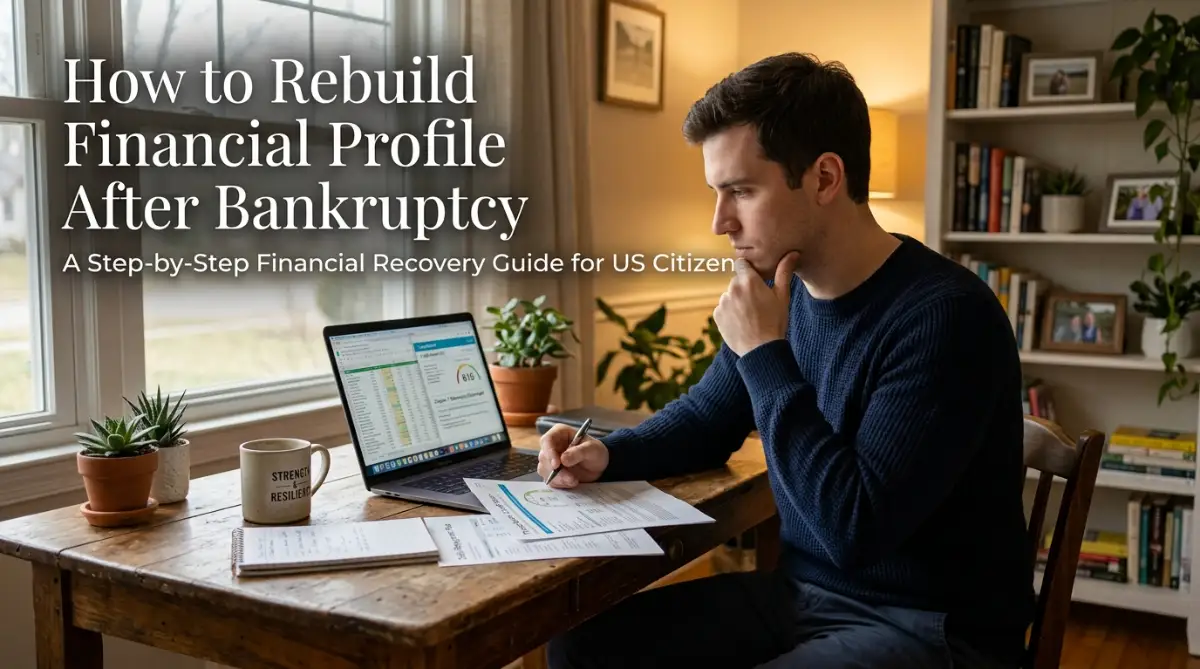
I still remember the heavy silence of the courtroom echoing in my ears long after the judge signed the final paperwork. Walking out of that building, my mind felt completely numb, caught somewhere between a strange sense of relief and a crushing wave of total defeat. For months, the constant collection calls and mounting debt had dictated every single breath I took. Filing for Chapter 7 felt like stepping off a steep cliff into an absolute vacuum, leaving me to wonder if my financial life was permanently broken.
Life after bankruptcy in the United States brings a very specific kind of quiet panic that most people do not talk about openly. Simple everyday tasks suddenly turn into massive, anxiety-inducing hurdles that test your emotional endurance. I quickly discovered that finding a new apartment meant facing immediate rejections or demands for triple security deposits because landlords scrutinize tenant background checks. Opening a basic utility account required steep security offsets, and just buying groceries felt like a public test of my dignity.
The psychological weight of a shattered credit score is exhausting because it follows you everywhere like an invisible shadow. Every time you punch your Social Security number into a digital application form, that old familiar knot tightens tightly in your stomach. Friends and family mean well, but their casual advice often ignores the strict reality of dealing with US credit bureaus like Experian, Equifax, and TransUnion. You feel entirely isolated, trapped behind a numerical barrier that defines your worth in the modern American economic system.
Yet, sitting in that dark space of uncertainty taught me a profound lesson about survival and systemic financial mechanics. The system is undeniably rigid, but it operates on strict rules, timelines, and legal frameworks that you can actually learn to master. I realized that my situation was not a permanent life sentence, but rather a harsh corporate reset. Transforming that pain into fuel required me to stop mourning the past and start studying the exact mechanics of credit scoring.
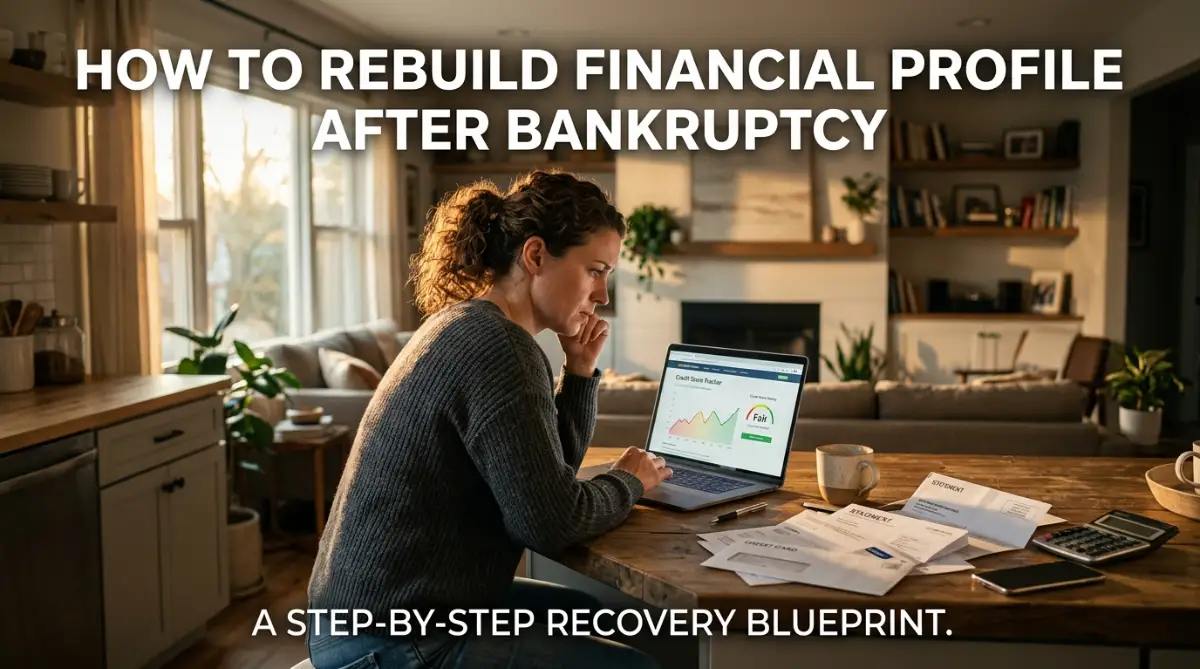
Rebuilding requires immense patience because financial recovery does not happen overnight through magic shortcuts or shady credit repair schemes. It demands a methodical, disciplined approach to managing your daily cash flow and monitoring your credit profile closely. The road ahead involves dealing with lingering errors, understanding federal consumer protections, and reshaping your entire relationship with money. Once you embrace this reality, the fear begins to fade, replaced by a cold, calculating determination to fix what is broken.
Step-by-Step Educational Guide to Financial Rehabilitation
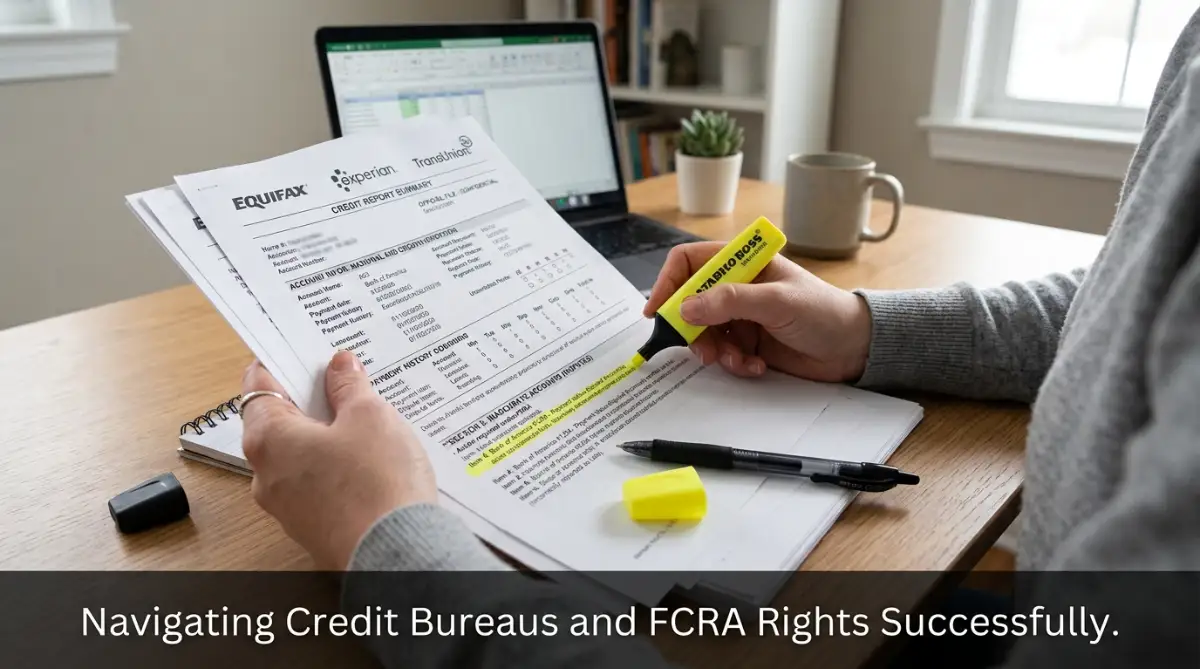
The very first step on this long road to recovery is gathering and auditing your official credit reports from all three major bureaus. Under federal law, you have the absolute right to access your reports for free through official channels. When my reports finally arrived, I sat at my kitchen table with a red pen and went through every single line item with a fine-tooth comb. I found several old accounts that still incorrectly showed active balances instead of being marked as included in bankruptcy.
Disputing these inaccuracies requires a thorough understanding of the Fair Credit Reporting Act, commonly known as the FCRA. The credit bureaus are legally mandated to investigate your formal disputes within a specific window, usually thirty days. If a creditor cannot verify the exact accuracy of a disputed negative mark, the bureau must remove or update it immediately. Cleaning up these reporting errors gave my stagnant FICO score its very first natural boost in months.
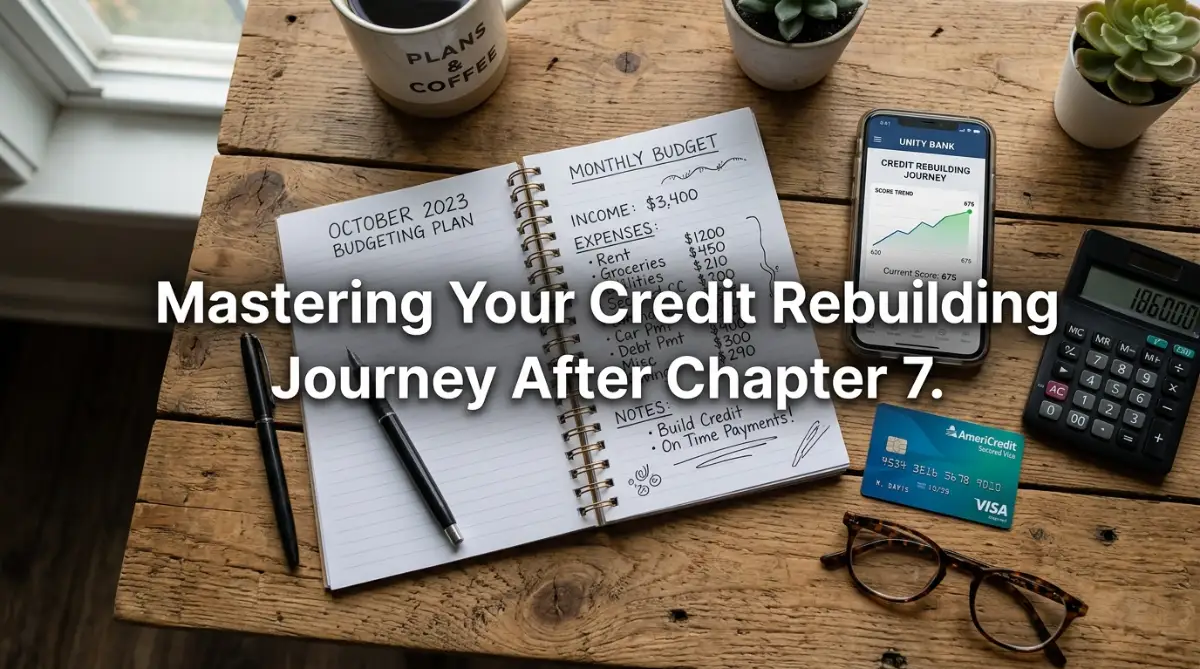
Once your baseline report is clean and your official discharge papers are safely filed away, you must establish new positive credit lines. Traditional unsecured credit cards will likely reject you instantly, which is why secured credit cards become your best friend. A secured card requires you to put down a cash deposit that typically acts as your credit limit. This eliminates the financial risk for the issuing bank while allowing you to prove your responsible payment habits to the bureaus.
Managing this new secured line requires absolute discipline to avoid falling right back into old, destructive debt cycles. You should treat the card like a debit instrument, charging only small, budgeted expenses like your monthly grocery bill. More importantly, you need to pay off that balance in full before the statement closing date every single cycle. This keeps your credit utilization ratio exceptionally low, which is a massive scoring factor for all major US scoring models.
Quick Action Checklist
- Pull All Three Reports: Access Experian, Equifax, and TransUnion reports to verify discharge status.
- Dispute Inaccuracies: File formal FCRA disputes for any accounts not correctly marked as discharged.
- Secure a Starter Card: Open a reputable secured credit card with a low deposit requirement.
- Automate Payments: Set up automatic minimum or full payments to ensure zero late marks.
Pro Tip: During my own recovery, I made the mistake of applying for multiple retail store cards too quickly out of desperation. My credit score dropped a few extra points due to hard inquiries, teaching me that patience and slow, deliberate pacing win the credit game every single time.
If you want a clearer visual breakdown of how credit scoring models react to post-bankruptcy actions, watch this insightful discussion below.
Navigating Legal Frameworks: Chapter 7 Versus Chapter 13 Realities
Understanding the exact legal chapter you navigated dictates the timeline and strategy for your financial reconstruction. Chapter 7 liquidation completely wipes out most unsecured debts, offering a clean slate but leaving a notable seven-year mark on your credit report. On the other hand, Chapter 13 involves a structured three-to-five-year repayment plan overseen by a federal bankruptcy trustee. Each path carries unique implications for how future lenders and underwriters evaluate your overall risk profile.
When lenders look at a discharged Chapter 7 profile, they want to see responsible financial behavior established immediately after the court date. Waiting passively for time to heal your credit report is a common trap that slows down overall recovery significantly. Active management means proving to lenders that your past financial distress was an isolated event rather than an ongoing lifestyle habit. This proactive stance is what separates individuals who struggle for a decade from those who bounce back in a few years.
Your debt-to-income ratio, often abbreviated as DTI, becomes your most crucial metric once your discharge is finalized. Even with a low FICO score, lenders feel more comfortable extending credit if your monthly debt obligations consume a tiny fraction of your earnings. I spent my evenings tracking every single dollar that entered and left my checking account using a simple digital spreadsheet. Lowering my daily living expenses allowed me to direct extra cash toward building a robust emergency fund.
Building an emergency cushion is not optional when you are trying to rebuild a shattered financial profile from scratch. Without cash reserves, any unexpected car repair or medical bill forces you right back into using high-interest credit cards. I started by setting aside just twenty-five dollars from every paycheck until I had a modest cushion of one thousand dollars. That small safety net broke the cycle of financial panic and gave me genuine peace of mind.
Monitoring your credit score velocity requires tracking how your FICO model responds to every small financial adjustment you make. FICO scores weigh payment history most heavily, meaning a single missed payment can instantly derail months of careful hard work. Setting up text alerts and calendar reminders for every bill due date protects your fragile score from accidental drops. Consistency over a sustained period is the secret sauce that transforms a damaged credit report into a pristine profile.
The Long-Term Mindset: Shifting from Surviving to Thriving
Rebuilding your financial profile after bankruptcy is ultimately an exercise in unlearning old habits and building rock-solid discipline. The digital age makes spending money easier than ever, with one-click checkouts and buy-now-pay-later schemes lurking on every single website. Developing a conscious resistance to impulsive consumerism protects your newly fragile credit standing from unnecessary stress. You must learn to view credit not as free money, but as a powerful financial tool that requires immense respect.
As your FICO score slowly creeps up into the fair and eventually good ranges, new doors will begin to open naturally. Landlords will stop looking at you with hesitation, and insurance companies will stop charging you inflated premium rates due to low credit tiers. You might even qualify for a modest auto loan with a reasonable interest rate, provided you keep your down payment substantial. Every small milestone represents a victory earned through consistent, deliberate choices made day after day.
It is easy to feel bitter about the hurdles placed in front of you by the traditional American financial system. However, treating the rebuilding phase as an educational bootcamp changes your entire psychological perspective on wealth and debt. You emerge from this trial with a level of financial literacy that many people who never faced bankruptcy do not possess. You understand the true cost of interest, the importance of emergency savings, and the value of protecting your name.
Keep your eyes fixed firmly on the long-term horizon rather than obsessing over daily fluctuations in your credit score numbers. Credit monitoring apps can easily become an unhealthy obsession if you check them multiple times a day expecting massive leaps. Trust the process, follow the legal frameworks, honor your payment deadlines, and let time do the heavy lifting. Your financial profile does not define your permanent identity, but the discipline you build today will shape your freedom tomorrow.
Leveling Up Your Strategy: Advanced Steps for Permanent Financial Stability
Moving beyond the basics of credit report cleanup and opening a starter card requires a shift toward long-term asset protection. Once your basic secured card has aged for six months with zero late marks, you can start exploring secondary credit-building tools. One effective method I utilized was becoming an authorized user on a trusted family member's long-standing credit card account. This strategy allows the positive history and high credit limit of that established account to mirror onto your personal credit profile.
Choosing the right primary account holder is critical because any missed payments or high balances on their end will instantly damage your score. Make sure the person you choose maintains a pristine payment record and keeps their utilization rate below ten percent at all times. When executed correctly, this shortcut injects instant age and positive payment history into your recovering credit file. It acts like a helpful tailwind pushing your FICO score upward while you continue to manage your own accounts independently.
Another advanced layer of post-bankruptcy rehabilitation involves managing your credit mix over a multi-year timeline. Credit scoring models favor profiles that demonstrate an ability to handle different types of debt responsibly, such as revolving lines and installment loans. After about a year of consistent behavior with your secured card, you might look into a credit-builder loan through a local credit union. These specialized programs hold your loan amount in a locked savings account while you make monthly payments that get reported to the bureaus.
Your cash flow management must also evolve from simple survival budgeting into proactive wealth accumulation strategies. Automating your savings transfers on every single payday removes the temptation to spend money allocated for your future security. I set up a separate high-yield online savings account that is intentionally disconnected from my daily debit card spending. This minor friction barrier stops impulsive online purchases and keeps your emergency funds completely safe from accidental depletion.
Maintaining these habits requires treating your personal finances with the same rigorous care a business owner applies to corporate ledgers. Reviewing your statements every week helps catch suspicious subscription charges or data breaches before they spiral out of control. Financial stability is not a single destination you reach and abandon; it is a continuous lifestyle practice built on daily micro-decisions. By staying vigilant, you protect your hard-earned progress and ensure that old mistakes never sneak back into your life.
Major Traps to Avoid During Your Recovery Journey
Trying to accelerate your credit recovery too quickly often leads people straight into predatory financial traps that cause more harm than good. One of the most common mistakes is falling for online credit repair companies promising guaranteed score deletions for upfront fees. Under federal consumer protection laws, no company can legally remove accurate, verified negative information from your credit report ahead of schedule. Throwing money at these services only drains the exact cash reserves you need to build your emergency savings.
Another dangerous pitfall is closing your oldest accounts once they are paid off or discharged, thinking it wipes the slate clean. Credit scoring models heavily evaluate the average age of your open credit lines when calculating your overall creditworthiness. Closing an established account shortens your credit history length and can cause an unexpected, sharp drop in your FICO score overnight. Keeping older accounts active and at a zero balance preserves your historical footprint and strengthens your overall profile.
A third frequent error involves applying for multiple new credit cards or loans simultaneously within a short calendar window. Every formal application triggers a hard inquiry on your credit report, which signals desperation and risk to automated underwriting systems. Lenders view a cluster of recent inquiries as a red flag that you are over-leveraging your income streams. Space out any new credit applications by at least six to twelve months to protect your score from unnecessary downward pressure.
Ignoring your credit utilization ratio while making timely minimum payments is another subtle mistake that stalls long-term score growth. Running a secured card up to its maximum limit and paying it off monthly still results in high utilization reporting if snapshots happen mid-cycle. Keeping your reported balance below ten percent of your total limit at all times shows lenders you do not rely on maxed-out credit. This disciplined approach maximizes the positive scoring impact of every single transaction you make.
Finally, failing to monitor your reports regularly leaves you vulnerable to identity theft and lingering reporting errors from past creditors. Creditors sometimes fail to update discharged balances correctly, leaving open collection accounts active long after your legal case concludes. Checking your bureau files every few months ensures that old ghosts do not return to haunt your financial future. Staying proactive allows you to catch discrepancies early and resolve them through proper channels before they cause structural damage.
Moving Forward with Confidence and Lasting Security
Rebuilding your financial foundation after a major legal setback is a journey defined by small, deliberate, and consistent victories. Every time you check your budget, pay a bill ahead of schedule, or monitor your credit report, you reclaim your independence. The fear and anxiety that accompany courtroom discharges eventually fade away, replaced by the quiet confidence of financial literacy. You now possess the tools, knowledge, and resilience required to navigate the complex American economic landscape safely.
Your past does not dictate your future earnings, your savings potential, or your capacity to build a secure life for your family. The discipline you forge during this recovery period becomes your greatest asset, protecting you from future market volatility and unexpected expenses. Remember that financial recovery is a marathon rather than a sprint, and every steady step forward counts toward your ultimate success. Take a deep breath, trust the system you are building, and start applying these principles to your daily life right now.