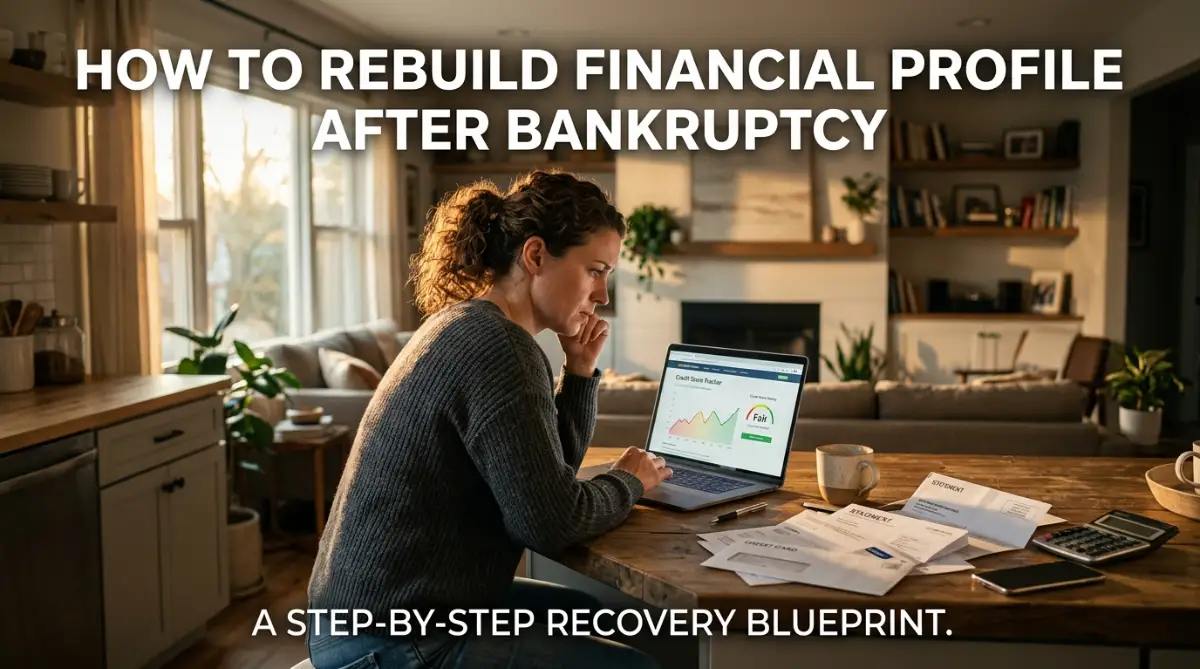
The Burden of Carrying Debt Into Further Education
Many students dream of advancing their careers through graduate school. Yet, the shadow of existing student loans often creates a deep sense of anxiety. You might feel trapped between the desire to learn and the pressure of monthly bills.
This constant worry can make your academic goals feel like a secondary concern. The uncertainty of whether you can afford both tuition and old loan payments is heavy. It often leads to sleepless nights and unnecessary stress before your first class even begins.
The Problem With Confusing Advice
You likely search for clear answers online but end up more confused than when you started. The internet is filled with conflicting information that is hard to verify. This leads to common pitfalls that hurt your financial stability:
- Relying on outdated forums: Many people give advice based on rules that changed years ago.
- Ignoring the difference between loan types: Not knowing if your loans are federal or private can lead to costly mistakes.
- Waiting too long to act: Procrastination often results in missed payments or unnecessary interest accrual.
- Following generic tips: Every financial situation is unique, and one-size-fits-all advice rarely works for everyone.
The Impact on Your Well-being
Financial stress is not just about numbers on a screen. It directly affects your mental health and your ability to focus on your studies.
- Constant Anxiety: You may feel like you are constantly playing catch-up, which ruins your peace of mind.
- Reduced Confidence: Worrying about money makes it harder to participate in class or network with peers.
- Lack of Sleep: The weight of debt often leads to fatigue, making it harder to succeed in demanding graduate courses.
- Short-term Thinking: When you are stressed, you make quick choices instead of planning for your long-term success.
Deciding to go back to school is a big step that deserves your full attention. When you have lingering debt, it feels like an anchor holding you back from your potential. You deserve to enter this new chapter with clarity and confidence. Understanding how your loans work is the first step toward reclaiming your mental space. When you take control of your financial information, you transform that heavy burden into a manageable part of your journey.

Step-by-Step Guide to Managing Loans in Grad School
Managing your loans does not have to be a nightmare. By following a clear, logical path, you can pause or organize your debt effectively. Here is how you can take control today.
Step 1: Verify Your Loan Status and Type
Before you do anything else, you must know exactly what kind of loans you hold. Federal and private loans are handled in very different ways.
Log in to your student aid dashboard to see a list of all your federal loans. Federal loans often qualify for in-school deferment, which is your best friend during this time. Private loans, however, depend entirely on your specific lender’s policies.
Call your private lenders and ask them directly about their "in-school" options. Do not assume they will automatically pause your payments. Write down the name of the person you speak with and the details of their response.
Step 2: Request In-School Deferment Properly
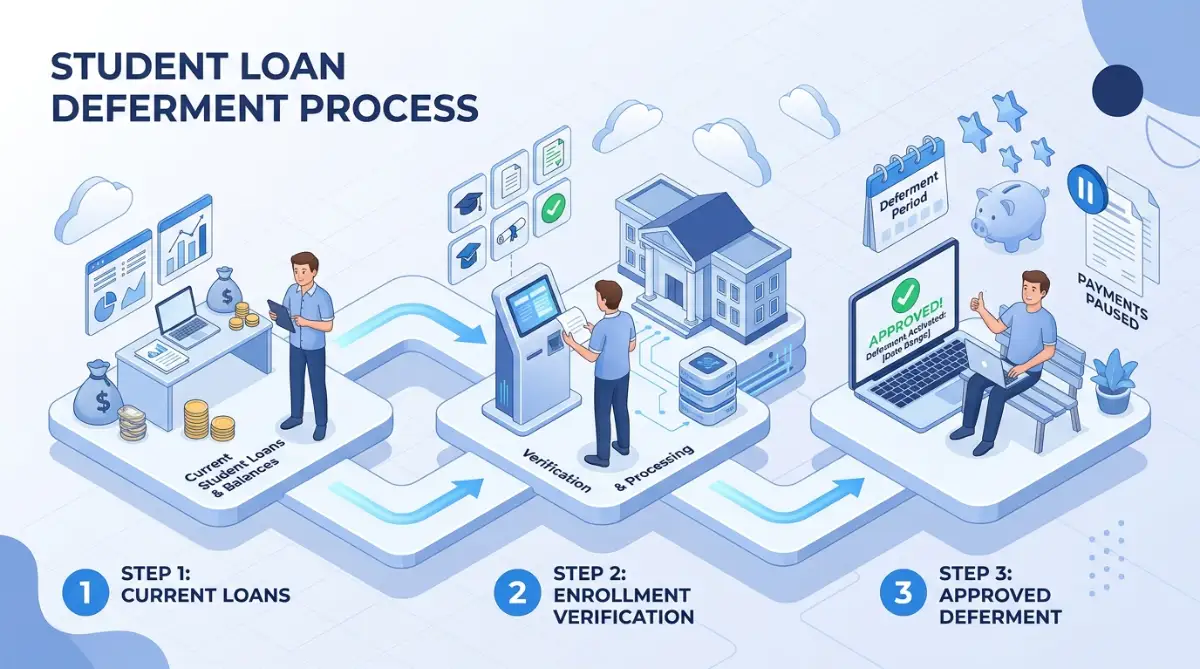
Most federal loans automatically enter deferment once your school reports your enrollment. However, you should never rely on "automatic" processes to handle your finances.
Contact your school’s registrar office to confirm that they report enrollment data to the national clearinghouse. If they do, your loan servicer should be notified once your term begins. If you are worried, you can manually request an in-school deferment form from your loan servicer.
Keep a copy of your enrollment verification for your own records. This simple piece of paper is proof that you are currently a student. It can save you from late fees and credit score damage.
Step 3: Monitor Interest During the Break
This is the part many students overlook, and it is a major factor in your long-term financial health. When you are in deferment, your loans might be subsidized or unsubsidized.
If you have subsidized loans, the government pays the interest while you are in school. This is a great benefit that keeps your debt from growing while you study. If you have unsubsidized loans, interest continues to grow even when you are not required to pay.
You do not have to pay the full amount during school if you cannot afford it. However, if you have extra income, paying just the interest on unsubsidized loans is a smart move. It prevents that interest from being added to your total balance later. This small habit can save you a significant amount of money over the years.
Understanding Your Repayment Strategy
Think of your student loans as a business partnership. You are the manager, and the loan is the obligation you must oversee. You do not need to be a math genius to handle this.
You just need to be consistent and organized. Keep a folder—digital or physical—for all correspondence with your lenders. If you move, update your address immediately with both your school and your loan servicers. This ensures you never miss a notice or a deadline.
Most importantly, keep communicating with your lenders if your situation changes. If you finish school or decide to take a break, your grace period will start. Know exactly when that grace period ends so you are ready to resume payments.
By taking these proactive steps, you remove the guesswork from your life. You can dedicate your energy to your graduate studies, knowing your finances are organized. You are building a foundation for your future career without letting past debt dictate your success. Stay organized, stay informed, and you will navigate this transition with ease.
Step 4: Automating Your Financial Updates
Once you are enrolled, do not just set your loans and forget them. Life happens, and your enrollment status can sometimes be flagged incorrectly in digital systems.
You should set a recurring reminder on your calendar for the beginning of every new semester. Use this time to log into your student portal and your loan servicer’s website. Check that your status is clearly marked as "In-School" or "Deferred."
If you see any discrepancy, address it immediately by sending a digital message to your provider. Taking five minutes to verify this once every few months saves you from the headache of receiving surprise billing statements. Proactive monitoring keeps your credit score protected and your stress levels low.
Step 5: Planning for the Grace Period After Graduation
Your journey does not end when you earn your degree. You will likely have a grace period, usually six months, before your first required payment is due.
Many students mistakenly think they have to start paying the second they walk across the stage. Use this time to build a small emergency fund while you are job hunting or transitioning into your career. Do not feel guilty about taking this time to stabilize your bank account.
Review your repayment plans during your final semester. You might want to switch to an income-driven repayment plan if your first job does not pay as well as you hoped. Researching these options before the grace period ends puts you in the driver’s seat.
Mastering Your Long-Term Financial Habits
Consistency is the secret to winning the game of debt management. You do not need to be wealthy to manage your loans effectively; you just need to be organized.
Try to automate your payments as soon as your deferment ends. Most lenders offer a small interest rate discount for students who set up automatic monthly withdrawals. This is free money for simply being organized.
Think of your finances like a gym routine. You don’t get fit by working out once a month; you see results through small, daily habits. Regularly checking your balance and keeping your contact info updated are the "workouts" that keep your financial health in top shape.
If you ever feel overwhelmed, reach out to your school's financial aid office. They are trained to help students navigate these exact scenarios. You are not alone in this, and asking for help is a sign of someone who is taking their future seriously.
Mistakes That Can Derail Your Progress
Even with the best intentions, it is easy to trip up when managing student debt. Avoiding these common errors will keep you on the right path.
1. Assuming All Loans Are Automatically Deferred
Some private loans or specific institutional loans do not follow the same rules as federal aid. Never assume that being in school pauses every single debt you owe. Always check the fine print of each individual loan agreement.
2. Ignoring Communication from Lenders
When you receive an email or letter from your loan servicer, open it immediately. Ignoring these notices out of fear is the fastest way to miss an important deadline. Staying informed is your best defense against unexpected fees or interest rate hikes.
3. Forgetting to Update Contact Information
If you move during your graduate school years, notify your lender right away. If they can’t reach you, they will keep sending bills to your old address. This can lead to missed payments appearing on your credit report without you ever knowing there was a problem.
4. Spending Excess Loan Money
Graduate school loans sometimes come with a surplus after tuition is paid. It is very tempting to use this money for travel or upgrading your lifestyle. Avoid this trap, as every dollar you borrow eventually has to be paid back with interest.
5. Waiting Until the Last Minute
Do not wait for your grace period to expire before you start planning your budget. When you start your final semester, look at your loan balance and calculate your potential monthly payments. Having a plan ready will remove the panic when graduation day finally arrives.
A Bright Future Starts With Smart Planning
You have the power to handle your loans with confidence and ease. By understanding the rules and taking small, consistent actions, you turn a source of stress into a manageable task.
Remember that education is an investment in yourself that will pay off for many years. Don't let the technical side of student debt cloud your excitement for learning. You are capable of balancing your studies and your finances.
Take a deep breath and start with one step today. Whether it is logging into your account or calling your lender, you are doing great. Your future self will thank you for the effort you are putting in right now.