How to Get the Best Mortgage Rate: Key Factors to Know
I just checked today's mortgage rates, and let me tell you, grabbing a good deal isn't as simple as checking a single website. You might see one number advertised online, but what you actually get depends entirely on your personal financial profile. Forget the generic advice—let's break down exactly what lenders look at to price your loan, and how you can position yourself to grab the lowest possible rate right now.
Determines Your Mortgage Rate?
Quick Takeaways for Getting the Best Rate
-
Your credit score mostly affects Conventional loans; FHA loans are far more forgiving.
-
Don't ignore down payment assistance programs—they can directly lower your upfront costs.
-
Ask your lender about permanent vs. temporary rate buydowns (like the 2-1 buydown) to save money early on.
-
Buying new construction? Builders often pay to permanently buy down your interest rate.
Credit score and credit profile are both significant when it comes to the best rate, and not only the best rate, really, the program that you would be eligible for. It's important to know that, for example, with FHA, the FHA cost of mortgage insurance is not, and FHA allows lower credit scores. So in the FHA loan model, these two areas are not as significant as they will be in the conventional home loan model. Meaning that the interest rate in conventional home loans together with the cost of mortgage insurance on conventional home loans is going to be impacted by your credit score.
Myth vs. Fact: Credit Scores
-
Myth: You need a perfect 800 credit score to buy a house.
-
Fact: You really don't! While a 740+ gets you top-tier conventional rates, I've seen buyers score amazing deals with FHA loans even sitting at a 620 credit score. Your overall credit history matters more than just the three-digit number.
How Credit History Can Affect Mortgage Pricing
Credit profile is important no matter what home program you are looking into. And this is, I I always like to kind of mention this because sometimes people will say, "Well, my credit score is, let's say a 680." But really, when you look at the credit profile, maybe there has been.
recent derogatory credit, exceeding 30 days, and in that scenario, that could be problematic to qualify for a
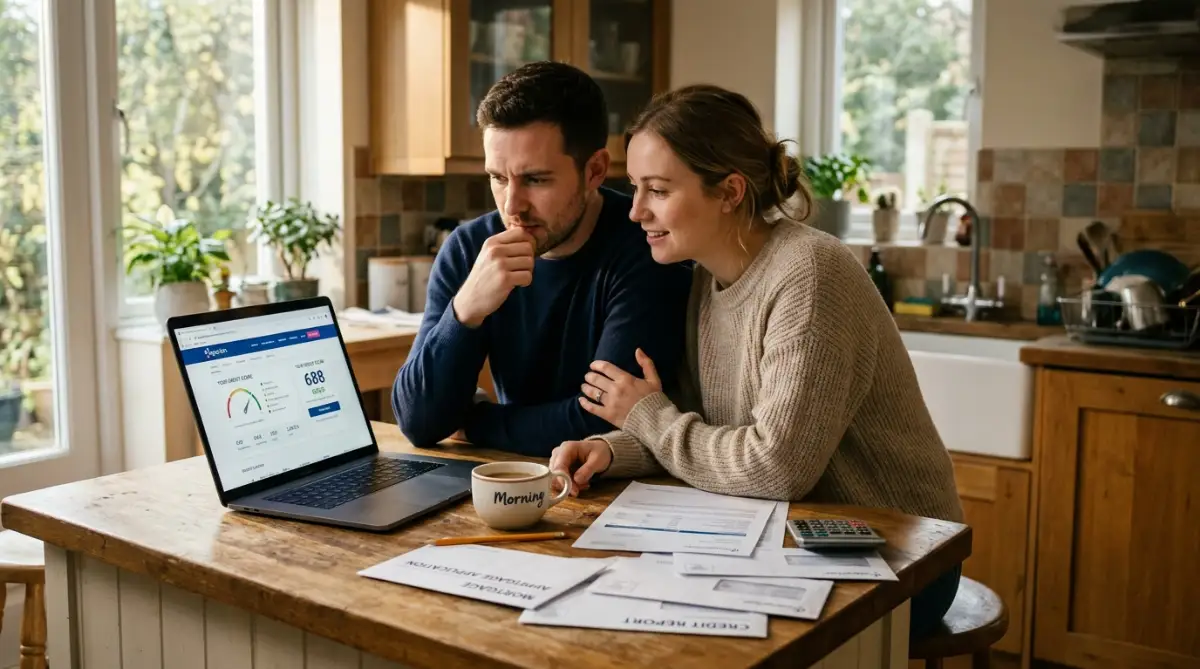
home loan depending on what's going on. So, credit profile is as important as credit score, but from an interest rate and a cost standpoint, credit score is going to drive the rate modeling depending on the home loan program.
How Loan Type and Down Payment Affect Your Mortgage Rate
Common Mortgage Loan Programs
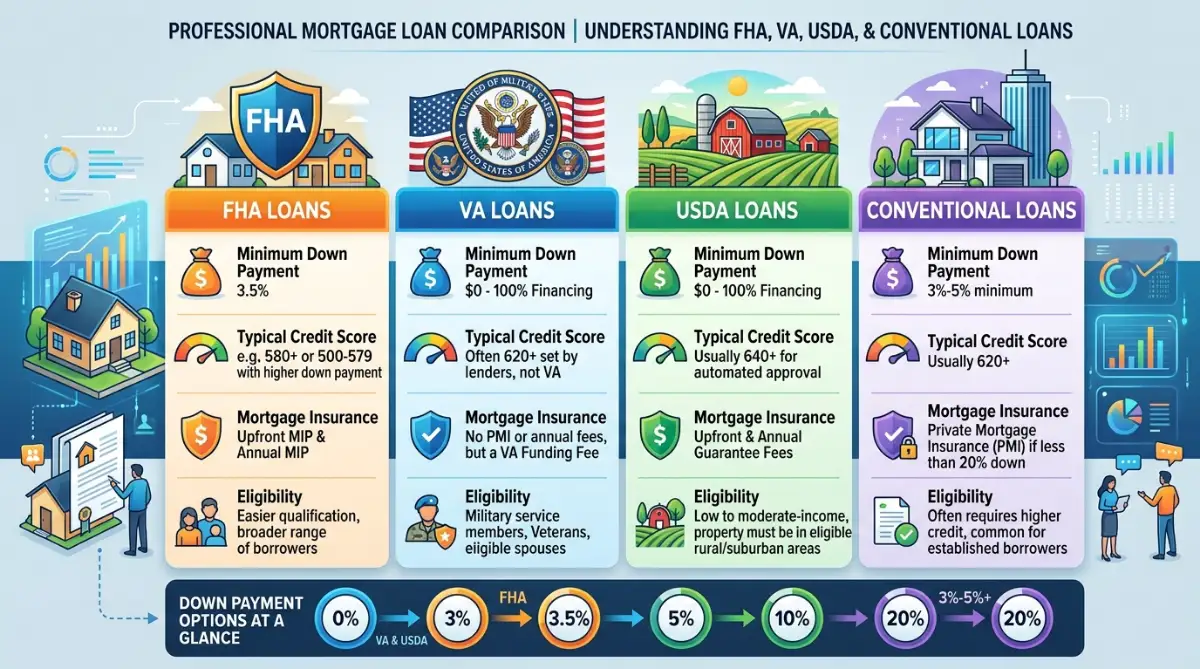
One, the USDA home loan, FHA, VA, conventional, what we're going to say conforming, so that's going to be under whatever the year conforming loan limit is, and then we get into conventional that's out of the box, out of conforming, which is not backed by Fannie Mae or Freddie Mac. And in that, that will encompass a whole lot of different programs, and those could be jumbo, those could be what we call non-QM, meaning that they might be bank statement program or asset-based for income program, things like that. But there are a variety of loan programs out there, and the program itself will impact the interest rate and the cost of the home loan.
FHA, VA and Conventional Loan Differences
For example, with VA, VA is a no money down home loan program. FHA is a 3.5% down program. Conventional conforming has a 3% down home loan program. And we haven't even discussed down payment assistance, which will also impact the interest rate in the terms of the home loan that you're looking at.
Loan Limits, Rate Buydowns and Builder Incentives
So, when we think about loan limit, this is important because every year the FHFA will announce whatever the conforming loan limit is for the year. For any loans that exceed that, then they'll kind of fall into what we'll call this jumbo bucket. And so, in that strategy, in that type of home loan scenario, interest rates will be driven by the loan itself, and the investors, the lenders that offer jumbo loans are all going to vary. So, it's a little bit more specific to the scenario, I.E. your scenario, and not necessarily the Fannie Mae or Freddie Mac guidelines.
How Mortgage Rate Buydowns Work
Few other options to consider to get the best rate when you're shopping for a home loan are rate buydowns. Now, what the heck does that mean? It actually has two different scopes to it.
Permanent vs. Temporary Rate Buydowns
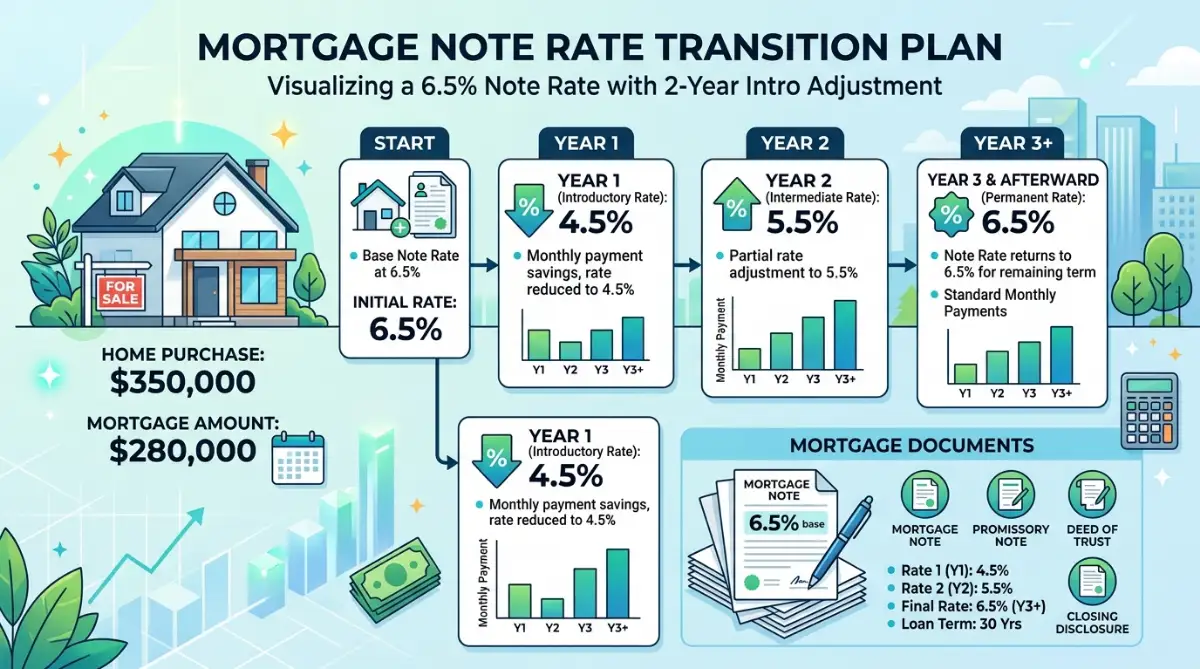
One, the traditional rate buydown would be, are you going to pay discount points, so you're paying a cost to buy the interest rate down, and it is what we would call a permanent buydown, meaning that that rate that your cost that you're paying to buy the rate down, that would be your rate for the life of the loan. Or there are temporary rate buydowns. Temporary rate buydowns are you're paying a cost to buy a rate down for a fixed period of time. That could be 2 years or 3 years and generally that rate adjusts each one of those years that you're into the loan. So, for example, the trend over the last 18 months has been a 2-1 buydown.
And how that looks is, let's say that the 30-year fixed rate for the day that you're getting ready to lock in your rate, let's just call it 6.5%. In the 2-1 buydown scenario, your interest rate, your payment, would be based on an interest rate two points lower than what your note rate is. So in this scenario, that payment for the first 12 months of your home loan would be based on 4.5%, the second year, the payment would increase based on a 5.5% interest rate, and then the third and final year, the interest rate would
Quick Q&A: Should I get a temporary buydown?
-
Q: Is a 2-1 temporary buydown a smart move for me?
-
A: If you expect your income to jump in the next two years, or you plan to refinance soon, yes! Otherwise, I always suggest aiming for a permanent rate buydown so you aren't hit with payment shock when the rate goes back up in year three. So, that is called a temporary rate buydown.
2-1 Buydown Example
NOTE RATE 6.5% - 30-YEAR FIXED - APR 6.5367%
1st YEAR = 4.5%
2nd YEAR = 5.5%
YEARS 3 THROUGH 30 = 6.5%
Another way to get the best rate, at least in this market cycle, and this too shall pass, but right now, is to look at new home construction. Many of the big production builders across the country are offering permanent rate buydowns and they're leveraging builder-forward commitments to do that. Meaning that they are working with lenders across the country to buy that interest rate down, they're doing that permanent buydown on your behalf. So if you're in the market for a newly built home, checking out what the builder has to offer through their lending partner could be another angle to get that best rate.
So, remember, the best rate is the one that fits your unique scenario. And we're here to help you find it. If you want to see what rate you can qualify for, call us or text us today and let's get started.