
The Heartbreak of Losing Your Dream Home to Another Buyer
Ever felt that sinking feeling when your dream home slips away to another buyer in just a few hours? It’s not always about having the most cash—it’s about being the most prepared. If you've been relying on online calculators or "casual" bank phone calls, you are unknowingly putting your biggest purchase at risk. Let’s cut through the confusion and get you a real-deal pre-approval that makes sellers take you seriously.
You quickly rush to your real estate agent and tell them you want to make a full-price offer right now. But the agent asks you one simple question that stops your heart: "Do you have your pre-approval letter from the bank?"
When you say no, the agent gives you a sad look. Before you can even call your bank on Monday morning, another buyer swoops in and steals the house. They got the home simply because they already had a piece of paper proving they could afford it.
This devastating scenario happens to hopeful home buyers every single day. People end up completely heartbroken because they do not understand how the modern real estate market actually works. Instead of getting prepared early, they fall into terrible information traps:
- Trusting fake online calculators: Many buyers use free internet tools that promise they can afford a massive mansion. These tools do not check your real credit or hidden debts.
- Confusing the terminology: People often think a quick "pre-qualification" phone call is the exact same thing as a legal pre-approval. This mistake costs them their dream home.
- Listening to outdated advice: Well-meaning friends and family members often share stories from decades ago when banks handed out money easily.
- Assuming a good salary is enough: High earners often think their large paycheck guarantees a loan. They completely ignore how banks view their credit card debts.
Living with this confusion creates an incredible amount of unnecessary stress in your life. The entire home-buying journey starts to feel like a terrifying guessing game. This lack of clear financial direction actively damages your peace of mind and your confidence.
Consider how this lack of preparation actually hurts you daily:
- Embarrassment in public: You feel deeply insecure when speaking to realtors because you cannot honestly prove you have the money to buy.
- Constant money anxiety: You lie awake at night wondering if the bank will reject you and embarrass you in front of your family.
- Wasting precious time: You spend hundreds of hours touring beautiful neighborhoods that are actually completely outside of your true price range.
- Strained relationships: Couples often argue fiercely about housing budgets simply because neither person knows what the bank will actually lend them.
. Understanding exactly what a pre-approval is will give you total control over your future. A pre-approval letter is essentially a VIP pass to the real estate world.
It is a formal, written document from a lender stating they are willing to give you a specific amount of money. Sellers will only take you seriously when they see this exact piece of paper. Let me show you how to skip the stress and get this powerful document in your hands as quickly as possible.

How to Secure Your VIP Home Buying Pass Quickly
The Fast-Track to Pre-Approval: Key Takeaways
-
Don't Settle for 'Prequalified': Always demand a full, underwritten pre-approval letter to prove your intent to sellers.
-
Freeze Your Finances: Do not open new credit lines, buy cars, or change jobs until your closing date.
-
Season Your Funds: Ensure your down payment has been sitting in your bank account for at least 60 days.
-
TBD Approval is King: Ask your lender for a "To Be Determined" approval to make your offer nearly as strong as a cash offer.
Getting pre-approved is essentially proving to a bank that you are a highly responsible human being. The lender is taking a massive risk by handing you hundreds of thousands of dollars. They want absolute proof that you will pay them back every single month.
The process might seem scary from the outside, but it is actually highly logical and deeply systematic. Banks use hard data, not emotions, to make their choices. If you give them the right data in the correct format, you will get a fast "yes."
I am going to walk you through the exact steps you need to take before you ever speak to a loan officer. We will use simple language and completely avoid confusing banking jargon. Let us break this down into highly practical, science-backed steps you can start right this minute.
Step 1: Build Your Unbreakable Financial Case File
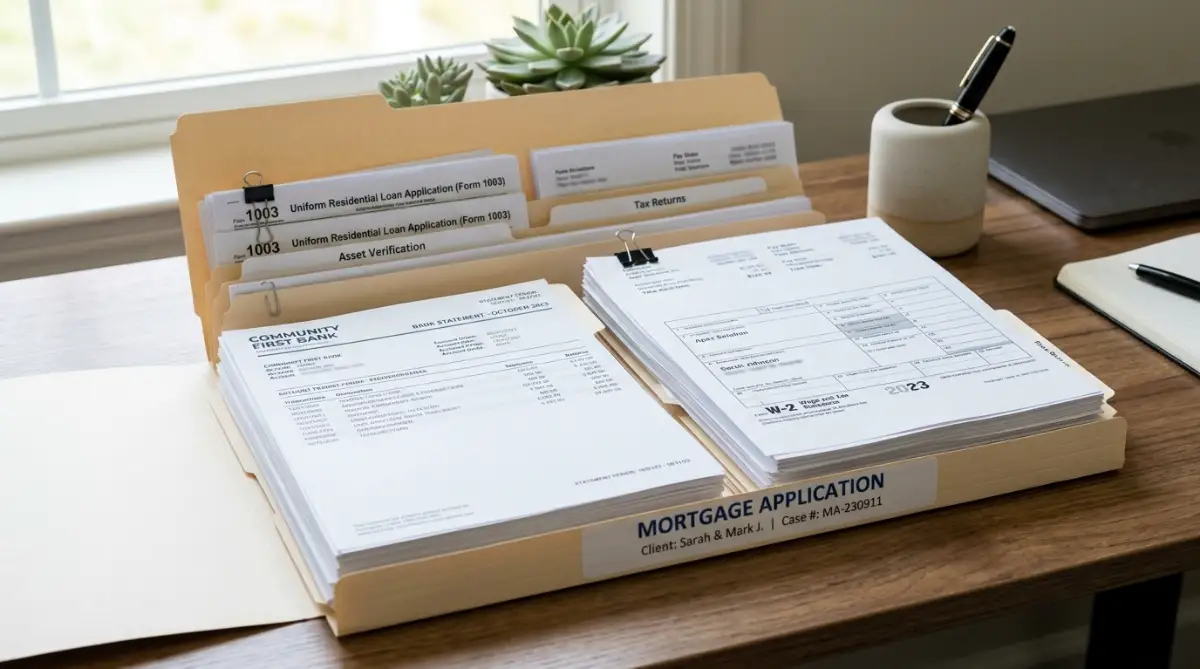
The very first thing you must realize is that bankers do not believe a word you say. I do not mean this in a negative way, but lenders operate strictly on documented proof. If you say you make $80,000 a year, they need to see official government documents proving it.
Before you apply for pre-approval, you must build what I call an unbreakable financial case file. This means gathering every single piece of paperwork the underwriter will ask for. Doing this ahead of time is the absolute biggest secret to getting approved quickly.
When you hand a loan officer a perfectly organized folder, their psychological trust in you skyrockets immediately. They see an organized, serious buyer. So, what exactly needs to go into this golden folder?
The Income Evidence
You need to provide your most recent pay stubs covering the last 30 to 60 days. These stubs show your current employer, your exact hourly or salary rate, and your year-to-date earnings.
Next, you must dig up your W-2 forms from the last two consecutive years. This proves that you have a stable, long-term employment history. Banks love stability more than anything else in the world.
If you are self-employed or run a small business, the rules are much stricter. You will need to provide complete personal and business tax returns for the last two years. You might also need a year-to-date profit and loss statement signed by a certified accountant.
The Asset Verification
Your lender wants to see exactly where your down payment is coming from. They will ask for your complete bank statements for the last two or three months. This includes checking accounts, savings accounts, and investment portfolios.
Here is a massive insider warning: Underwriters closely examine these bank statements for any unusually large, sudden deposits. If you suddenly deposit $10,000 in cash, the bank will stop the entire process.
They need to know that you did not secretly borrow that $10,000 from a friend just to make your account look good. If a family member is gifting you money for a down payment, they must sign a formal "gift letter" stating you do not have to pay it back.
Step 2: Lock Down and Polish Your Credit Profile
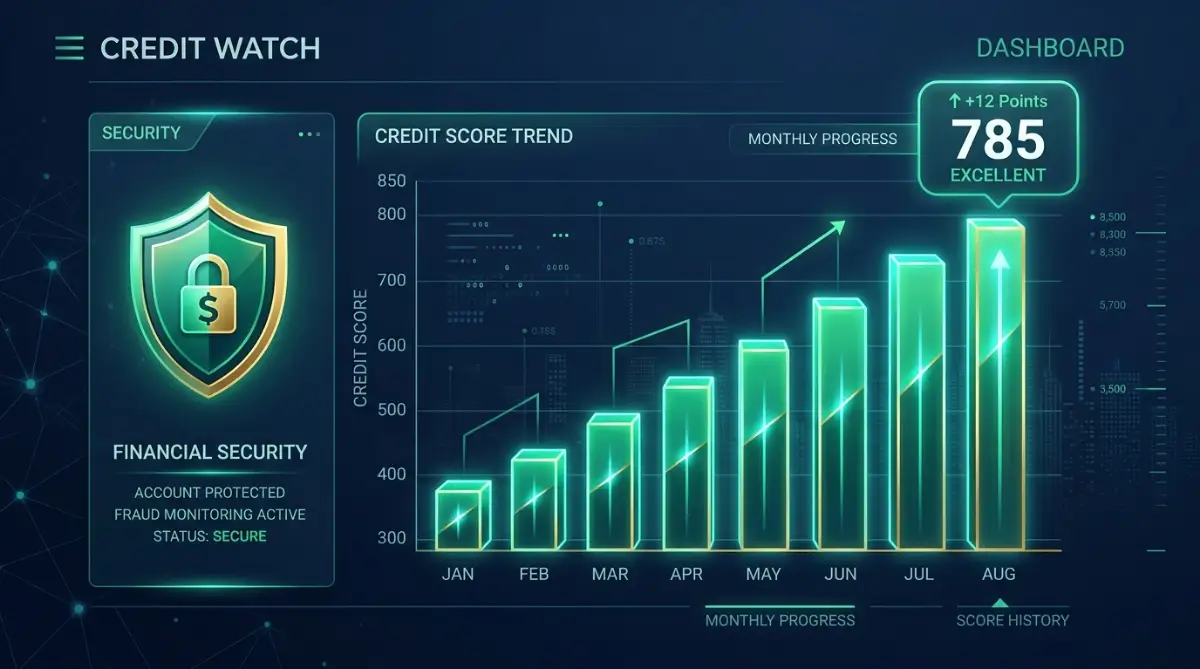
Your credit score is the ultimate heartbeat of your mortgage application. When you ask for pre-approval, the lender will perform a "hard pull" on your credit report. This means they look at your entire borrowing history from the three major credit bureaus.
Before the bank ever sees your report, you must see it first. You have the legal right to check your own credit report for free. I highly recommend pulling your report at least three months before you want to buy a house.
Why do you need a three-month head start? Because credit reports are famous for containing huge mistakes. You might find a medical bill in collections that belongs to someone with a similar name.
Dispute and Destroy Errors
If you find an error, you must dispute it immediately with the credit bureau. The investigation process can take up to 30 or 45 days to complete. If you wait until the week you want to buy a house, you will completely miss out on the property.
Even one fake late payment can drop your score by 50 points. That drop can be the difference between getting a cheap interest rate and being totally denied. Protect your score like it is a precious diamond.
The Golden Rule of Utilization
Another powerful trick to boost your score quickly is lowering your "credit utilization." This is the percentage of your available credit that you are currently using.
Let us look at a real-life scenario. Imagine you have a credit card with a $5,000 limit. If your current balance is $4,000, your utilization rate is a dangerously high 80%. This makes you look desperate for cash in the eyes of the bank.
If you have money in savings, pay that balance down to $500 before applying for your house loan. Dropping your utilization below 10% can cause your credit score to jump up significantly in just one billing cycle.
Step 3: Understand the Difference Between Prequalified and Preapproved
This is the exact spot where thousands of smart people ruin their own home-buying experience. The banking industry uses two words that sound identical but mean completely different things. You must understand the difference if you want to win.
Being pre-qualified is basically a casual financial guess. You go online, type in your estimated income, and the computer says, "You might qualify for a $300,000 loan." The bank does not verify your documents, and they only do a soft check on your credit.
A pre-qualification letter is completely useless to a real estate agent. A smart home seller will laugh at it and throw it in the trash. It carries zero legal weight and guarantees absolutely nothing.
The Power of True Pre-Approval
On the other hand, being pre-approved means you have successfully survived the bank's strict testing. An actual human underwriter has reviewed your W-2s, your tax returns, and your bank statements. They have pulled your hard credit report and verified your exact debt numbers.
When you get a true pre-approval, the bank hands you a formal letter. This letter clearly states the exact maximum loan amount they will guarantee for you, usually valid for 60 to 90 days.
When you hand this powerful letter to a seller, their eyes light up. They know you are a serious, verified buyer who has the financial backing of a major institution. They know the deal will not fall apart at the last minute due to funding issues.
How to Talk to Lenders
When you call a bank or a mortgage broker, you must be highly specific with your words. Tell them directly, "I am actively shopping for a home, and I need a full, underwritten pre-approval letter, not just a pre-qualification."
A good loan officer will immediately ask you to upload your income documents to their secure portal. If they just ask you a few questions over the phone and immediately email you a letter, you only got pre-qualified. Always demand the full review process.
By demanding the full review upfront, you eliminate all the hidden surprises. You will know your exact interest rate, your exact maximum budget, and your estimated monthly payment. This transforms you from a nervous shopper into a confident, highly educated buyer ready to conquer the market.
Insider Secrets to Force a Faster Underwriting Decision
The standard advice for getting approved is simply to pay your bills and save money. However, if you want to beat the heavy competition in the real estate market, you need advanced strategies. Top-level mortgage experts use very specific tactics to force a faster "yes" from the bank.
The bank evaluates you using a strict set of risk factors. If you understand how to lower your perceived risk before you even apply, you win. Let me share a few high-level secrets that will push your file to the top of the banker's desk.
Ask for a "TBD" Underwritten Approval
Most people wait until they have a signed contract on a house before they get a full underwriting review. This is the traditional, slow way of doing things. Smart buyers ask their lender for a "To Be Determined" (TBD) approval instead.
A TBD approval means the bank verifies your income, assets, and credit completely, even though you have not found a house yet. The underwriter clears your entire financial profile first. The only thing left to approve later is the physical property itself.
When you hold a TBD letter, your offer is practically as strong as cash. Sellers love this because they know your financing will not fall apart at the last minute. This strategy significantly reduces your closing time and makes you a highly attractive buyer.
Practice the Art of "Seasoning" Your Funds
Banks are legally required to track where your down payment money comes from. They want to ensure you are not borrowing your down payment from an illegal source or a secret credit card. This tracking process is known in the financial world as reviewing seasoned funds in your bank accounts.
To pass this test easily, you must let your money sit completely still for at least 60 days. The bank will ask for your last two months of bank statements. If the money has been sitting in your savings account for that entire time, it is considered perfectly "seasoned."
If you constantly move large chunks of money between different accounts, you will trigger fraud alerts. The underwriter will force you to write a detailed letter explaining every single transfer. Keep your money locked down in one single account to avoid these exhausting delays.
Maintain Absolute Employment Silence
Your ability to repay a loan is tied directly to your current job stability. Lenders love boring, highly predictable employment histories. They want to see you working in the same field, receiving the same steady paycheck.
Many buyers do not realize the deep hidden employment credit connection that dictates their borrowing power. If you change your job structure, you reset the bank's trust meter back to zero. Switching from a salaried position to a commission-based job right before applying is a terrible idea.
Even if your new job pays double your old salary, the bank will view you as a massive risk. They usually require two full years of history for commission or bonus-based income. Stay securely in your current role until after you successfully close on your new home.
How to Hold Your Approval Status Long-Term
Getting that beautiful approval letter is an incredible feeling. However, that letter comes with an expiration date, usually lasting 60 to 90 days. If you do not find a house within that time, you have to renew your application.
To keep your approval active, you must treat your finances like a frozen crime scene. Do not change a single thing about your spending habits. Pay every single bill early, keep your credit card balances incredibly low, and do not make large cash deposits.
Even a tiny, innocent mistake on a renewed application can cause a sudden rejection. For example, you must constantly monitor your profile because how one wrong digit on your credit report can sink your score is truly terrifying. Check your reports weekly while you are actively shopping for a property.
By keeping your financial profile perfectly boring and highly organized, you maintain total control. When you finally find that perfect house, your lender will simply update your file and move you directly to the closing table. Understanding the mortgage underwriting process completely removes the fear from this journey.

Five Dangerous Moves That Will Destroy Your Pre-Approval
A pre-approval letter is not an unconditional promise of money. It is a highly fragile document based on your exact financial situation on the day it was printed. If your situation changes even slightly, the bank has the legal right to cancel your loan instantly.
Thousands of buyers ruin their own deals just days before they get their house keys. They get excited, they let their guard down, and they make terrible financial choices. You must actively protect your approval status by avoiding these massive pitfalls.
1. Depositing "Mattress Money" Before Applying
Many people like to save physical cash at home in a safe or under a mattress. When it is time to buy a house, they proudly march into the bank and deposit $15,000 in physical bills.
Myth vs. Fact: The "Cash Deposit" Trap
-
Myth: "I can deposit my personal cash savings right before applying, and the bank will see it as a strong down payment."
-
Fact: Banks require a 60-day "paper trail." Any large, undocumented cash deposit triggers a fraud alert, forcing the underwriter to ignore those funds entirely during your approval process. Keep your cash in a regulated bank account for at least two months before you apply.
Because of strict federal anti-money laundering laws, banks cannot use undocumented cash for a down payment. If you cannot provide a clear paper trail showing exactly how you earned that specific cash, the underwriter will subtract it from your available assets.
If you have physical cash saved up, you must deposit it into a standard bank account several months before you apply. The money must sit there until it becomes fully seasoned. Never deposit random cash while your loan application is actively being reviewed.
2. Opening New Credit Lines for Furniture
This is the most common and devastating mistake new buyers make. You find your dream house, your offer is accepted, and you feel amazing. You decide to visit a local appliance store to buy a new refrigerator and a washing machine on credit.
The second the store runs your credit to finance those appliances, your debt-to-income ratio changes. The mortgage lender will pull your credit report one final time just 24 hours before you close on the house. When they see that new debt, they will likely stop the entire transaction.
Do not apply for any new credit cards, car loans, or store financing until the house legally belongs to you. Sleep on the floor of your empty new house if you have to.
3. Ignoring Silent Educational Debts
Many hopeful buyers have old student loans sitting in a deferred status. Because they are not actively paying a monthly bill, they assume the bank will completely ignore this debt. This is a very dangerous assumption that ruins many applications.
Even if your current bill is zero, the bank knows that payment will eventually return. To protect themselves, underwriters will calculate an estimated monthly payment, usually around 1% of the total loan balance. If you have $60,000 in deferred loans, they will add $600 to your monthly debt column.
This hidden calculation can completely destroy your buying power. It is incredibly important to understand the reasons why your student loan balance is increasing while in deferment. You must factor these silent debts into your personal math before you ever talk to a bank.
4. Co-Signing a Loan for a Loved One
Imagine your younger brother desperately needs a reliable car to get to work. His credit is poor, so he asks you to co-sign the auto loan. Since you have a great job and high credit, you want to help him out.
The moment you sign that paperwork, that entire car debt legally belongs to you in the eyes of a mortgage lender. Even if your brother makes every single payment perfectly on time, the bank counts that $400 monthly payment against your debt ratio.
This act of kindness can instantly disqualify you from getting a house loan. Never co-sign a loan for anyone while you are preparing to buy a home. You must be entirely selfish with your credit profile during this specific season of your life.
5. Blindly Accepting Initial Estimates
When a bank finally hands you that golden pre-approval letter, it is easy to become overwhelmed with joy. You might just glance at the total loan amount and ignore the smaller details on the document. This is a massive mistake that costs buyers thousands of extra dollars.
Lenders provide a breakdown of your estimated closing costs alongside your approval letter. Sometimes, less trustworthy lenders will pad this estimate with junk processing charges. You must be highly vigilant about sneaky loan fees lenders hide deep inside the paperwork.
Review every single line of your loan estimate carefully. If you see a charge you do not understand, force your loan officer to explain it in plain English. By questioning these fees early, you protect your savings and ensure your home purchase remains truly affordable.
Your Final Roadmap to Becoming a Confident Homeowner
Navigating the real estate financing maze does not have to be a terrifying experience. The fear you felt at the beginning of this journey came strictly from a lack of information. Now that you see exactly how the banking system operates behind the curtain, you hold all the power.
You understand that a simple pre-qualification is basically worthless to a serious seller. You know you must demand a full, strictly underwritten pre-approval letter to prove your buying power. More importantly, you know exactly how to organize your financial case file to guarantee a fast, easy "yes" from the bank.
This knowledge transforms you from a stressed-out window shopper into a highly dangerous buyer. When you walk into an open house holding that official letter, you command instant respect from real estate agents. You can confidently negotiate prices because sellers know your money is fully guaranteed.
Take action today by pulling your free credit report and checking for errors. Gather your last two years of tax returns, your recent pay stubs, and your bank statements into one secure folder. Stop moving your money around, and keep your credit card balances as close to zero as physically possible.
You are now fully equipped to beat the competition and secure the perfect property for your family. Start building your golden application file tonight. Your dream home is out there waiting for you, and now you have the exact roadmap to confidently unlock the front door.