
The Hidden Stress of Borrowing Money
You wake up in the middle of the night, heart racing, thinking about that monthly payment. You needed cash for an emergency, but now the debt feels like a heavy weight on your chest. You thought the process would be simple, but the reality is often overwhelming. It feels like you are trapped in a maze of numbers you do not fully understand. I still remember the night I signed my first loan agreement, feeling a strange mix of relief and dread. I thought I had everything under control, but a few months later, I found myself staring at the ceiling, wondering where all my paycheck went. That sleepless night taught me the hard way that understanding a loan isn't just about the money—it’s about regaining the peace of mind I lost the moment I signed a contract I didn't fully read.
This stress is not just about the money. It is about the feeling that you signed something you cannot control. You want to be responsible, but the system feels designed to keep you in the dark. Many people walk into loan offices with hope, only to leave feeling confused and anxious.
Why You Feel Misled by Traditional Lending
- Complex Language: Contracts are written in legal jargon that is meant to confuse you.
- Hidden Fees: Lenders often bury administrative costs, origination fees, and late payment penalties in small print.
- Aggressive Marketing: Ads highlight the "quick cash" aspect while ignoring the long-term impact on your budget.
- Lack of Clarity: Most staff are paid to close deals, not to explain the risks to you in simple terms.
How Hidden Clauses Impact Your Peace of Mind
- Stolen Sleep: Constant worry about missing a payment or facing an unexpected fee ruins your focus.
- Eroded Confidence: Every time you see a fee you did not expect, you feel less capable of managing your finances.
- Relationship Strain: Financial secrets or sudden budget cuts due to high interest rates often cause friction at home.
- Long-term Regret: Signing without reading leads to years of paying for a choice made in a moment of desperation.
When you sign a loan agreement, you are making a commitment that lasts for years. Yet, many people spend more time choosing a new phone than reviewing their loan contract. This happens because lenders make the process look smooth and easy. They use technology to make you feel like the money is already yours.
Once you click "accept," the terms become binding. If you did not look at the interest calculation method, you might pay double what you expected. If you ignored the early repayment penalty, you cannot pay off the debt to save money. This is a common trap that keeps honest people in a cycle of debt.

Step 1: Mastering the Anatomy of a Loan Contract
Before you sign anything, you must become a detective. Start by looking for the Annual Percentage Rate (APR), not just the interest rate. The interest rate is only part of the story. The APR includes the interest plus other mandatory fees. Always ask for a Loan Disclosure Statement. This document is required by law in many places and must show the total cost of the loan. If the lender tries to discourage you from asking for this, walk away immediately. Trust your gut. Break down the Total Repayment Amount. This figure tells you exactly how much money will leave your pocket over the life of the loan. Seeing this big number often helps you decide if the loan is actually worth it. You might find that you are paying back much more than you thought.
Step 2: Spotting the Traps in Repayment Terms
"Still feeling confused by the numbers? Watch this breakdown to see exactly how these hidden traps work in real life and how you can spot them before they cost you your hard-earned money."
Check for an Early Repayment Penalty. Some lenders want to lock you into high interest for as long as possible. They will charge you a fee if you try to pay off the loan early. This prevents you from saving money by closing the debt ahead of schedule.
Look for details on Late Payment Fees and Grace Periods. Life happens, and you might miss a due date once. Know exactly how much that mistake will cost you. A small "fee" can sometimes trigger a cascade of other penalties.
Ask about the Payment Schedule. Does the lender require automatic withdrawals from your bank account? While this can be convenient, it can also lead to overdraft fees if your balance is low. Always ensure you have control over how and when payments are deducted.
Step 3: Assessing Your True Financial Capacity
Never take a loan based on what the lender says you "qualify" for. Lenders want to sell you as much debt as they can. They do not care if your monthly budget becomes too tight to handle. You must run your own numbers first.
Calculate your Debt-to-Income Ratio. Add up all your monthly debt payments and divide them by your monthly income. If this percentage is already high, adding another loan is a recipe for disaster. Keep your total debt payments below a level that keeps you comfortable.
Build a Safety Buffer in your monthly budget. Assume that your income might drop or your expenses might rise. If you cannot afford the loan payment while keeping your buffer intact, do not take the loan. Being "approved" for a loan is not the same as being "able to afford" a loan.
Mastering Your Loan Strategy: Advanced Tactics for Financial Control
Looking back, my biggest mistake was thinking the lender was my partner. I once paid a hefty fee just because I tried to pay off my balance early—a trap I could have easily avoided if I had just looked closer at the repayment terms before clicking 'accept.' Now that you have the basics, it is time to look at the advanced moves. Most people treat a loan as a passive agreement, but you should treat it as an active project. You are the manager of your own debt, and you have more power than you think.
Step 4: The Art of Negotiating Your Terms
Did you know that some loan terms are flexible? Many people assume the first offer is the only offer. If you have a solid credit history, you can often negotiate the interest rate or the origination fee.
Do not be afraid to ask, "Is this the best rate you can offer?" If you have quotes from other lenders, use them as leverage. Lenders want your business, and a polite conversation can sometimes save you hundreds of dollars.
Be sure to ask about Discretionary Fees. Some lenders add on services like "payment protection" or "credit monitoring" that you do not need. Politely ask to have these removed to lower your total cost. You are the customer, and you have the right to refuse unnecessary add-ons.
Step 5: Strategies for Faster Debt Elimination
If your goal is to be debt-free sooner, you need a plan that goes beyond the minimum payment. Look closely at how your lender applies extra payments. Some lenders apply extra funds to the principal, while others might apply them to future interest.
Always verify that your extra payment is directed toward the principal balance. This simple action reduces the total interest you pay over the life of the loan. Think of it like chipping away at the foundation of a wall; the smaller the base, the less the whole structure costs you.
Try the "Round-Up" Method for your payments. If your monthly payment is two hundred dollars, try to pay two hundred and fifty. That extra fifty dollars acts as a turbocharger for your repayment speed. You will be surprised at how much time you shave off your loan term by just adding a small amount each month.
Long-Term Habits for Financial Freedom
Maintaining your progress requires a change in mindset. Once you secure a loan, keep tracking your progress on a simple spreadsheet. Seeing the balance drop every month provides a sense of accomplishment that keeps you motivated.
Avoid the temptation to take out a new loan just because you paid off the old one. If you find yourself constantly reaching for credit, it is time to reassess your emergency fund. Aim to build a small cash cushion so that next time, you do not need a lender at all.
Remember that financial health is a marathon, not a sprint. Focus on steady, consistent payments rather than large, irregular ones. By staying organized, you keep control of your money instead of letting it control you.
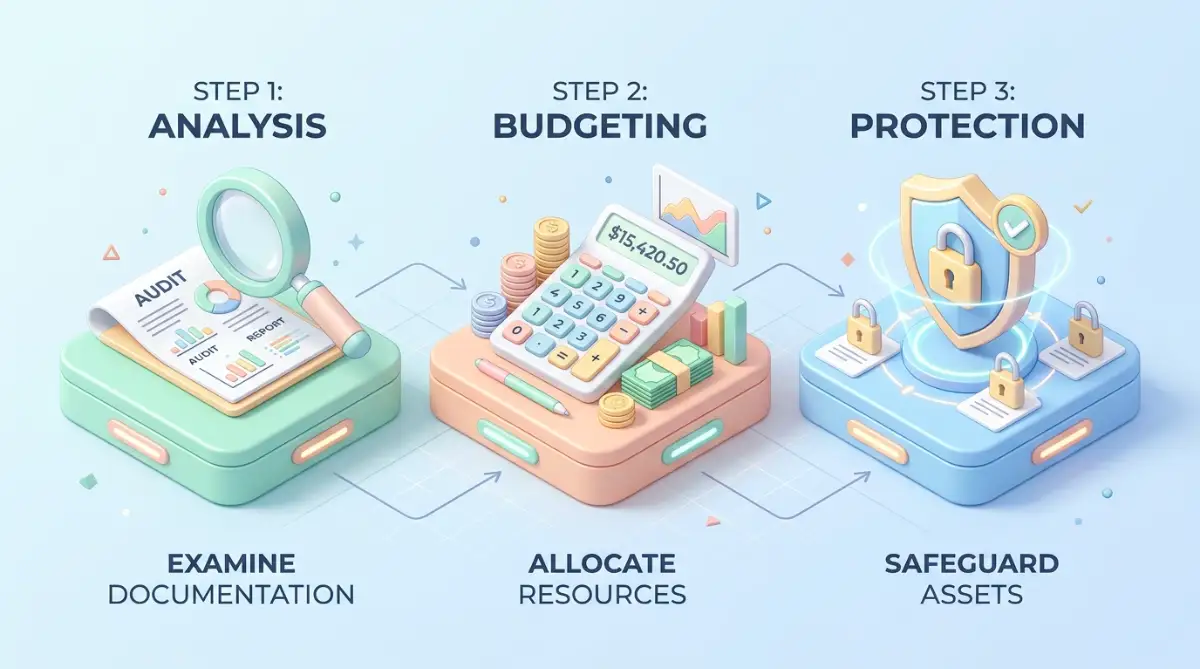
Pitfalls to Avoid: What Not to Do
Even with the best intentions, it is easy to stumble if you are not careful. Here are five common mistakes that catch people off guard.
- Ignoring the Fine Print: Never rely on a phone conversation to understand the terms. If it is not written in the contract, it does not exist.
- Borrowing More Than Needed: Lenders may approve you for a large amount, but you should only take what you absolutely require. More debt always equals more stress.
- Missing Due Dates: Even one late payment can hurt your credit score for a long time. Set up automatic reminders or calendar alerts to stay on track.
- Using High-Interest Loans for Luxuries: A personal loan should be a tool for necessity or debt consolidation, not for buying items that lose value quickly.
- Failing to Compare Multiple Offers: Always shop around before signing. The first lender you visit is rarely the one with the best terms for your specific situation.
Ignoring these warnings often leads to a cycle of high-interest debt that is hard to break. You might find yourself juggling multiple payments, leading to burnout. By avoiding these traps, you keep your financial future safe and manageable.
Your Path to Financial Clarity
Taking control of my debt changed how I sleep at night and how I plan for my future. You have the power to stop being a victim of the system today, so take a deep breath, review your numbers, and start your journey toward true financial freedom right now. You now have the knowledge to navigate the complex world of personal loans. Understanding the fine print is not just about avoiding hidden fees; it is about protecting your peace of mind. By taking a proactive approach, you turn a scary process into a calculated financial move.
Start by reviewing your current situation today. Look at your contracts with a fresh set of eyes and a clear head. Do not feel pressured to rush into any decision that does not feel right. You are fully capable of handling your finances with confidence. Take these steps to heart, stay organized, and keep your goals in focus. You are now equipped to make decisions that truly serve your best interests.