
The Hidden Trap Behind Your Grocery Store Choices
When you walk down the supermarket aisles, bright green and bold yellow packages often catch your eye. You see phrases like "Fat-Free," "99% Fat-Free," or "Low-Fat" stamped proudly across the front.
For decades, we have been conditioned to believe that buying these items is the ultimate shortcut to a healthier heart and a slimmer waistline. You toss them into your shopping cart feeling confident that you are making a responsible choice for your body.
Unfortunately, this simple marketing illusion masks a much more complicated reality. Stripping the fat out of a food item frequently strips away its natural flavor and satisfying texture.
To make up for that lost taste, food manufacturers often dump massive amounts of alternative ingredients back into the package. You end up swapping one dietary component for something that might be far more damaging to your long-term wellness.
Why Traditional Dietary Advice Leaves People Stranded
Navigating modern grocery stores feels like walking through a minefield of conflicting nutritional claims. Millions of people genuinely try to eat right, yet they find themselves stuck with stubborn weight gain and sluggish energy levels.
Here is why so many well-meaning shoppers fail to find genuine solutions:
- Misleading front-of-package marketing draws attention away from the actual back-of-package ingredient list.
- Outdated nutritional dogmas focus entirely on a single macronutrient while ignoring overall food quality.
- Complex chemical terminology on ingredient labels hides the true nature of added industrial additives.
- Widespread confusion between natural, wholesome fats and heavily processed laboratory creations keeps people trapped in a cycle of poor choices.
The Quiet Toll on Your Confidence and Well-Being
When your daily diet fails to deliver the results you expect, the emotional toll can be exhausting. You blame your own willpower when your lab results or waistline do not improve despite buying all the "right" products.
Consider how this ongoing cycle impacts your mental peace:
- Frustration builds up when strict adherence to low-fat diets yields zero progress toward your wellness goals.
- Doubt creeps in regarding whom to trust in a world flooded with conflicting internet health trends.
- Daily energy crashes leave you feeling depleted, making it harder to stay active and motivated.
- Loss of trust in your own body happens when nutritional efforts repeatedly lead to dead ends.
Getting your health back on track requires peeling back the layers of clever food marketing. Real wellness is never about falling for a single buzzword printed on a colorful box. True heart health comes from understanding how ingredients interact inside your body.
When you stop fearing all dietary fats and start looking closely at whole foods, everything changes. You regain control over your plate, your energy, and your long-term physical vitality.

Step-by-Step Guide to Decoding Food Labels and Protecting Your Heart
Transforming your grocery habits does not require a degree in biochemistry or hours of grueling research. You simply need a practical roadmap to help you see past clever packaging.
Let us break down the exact steps you can take starting today to safeguard your cardiovascular system.
Step 1: Look Past the Front Label and Read the Ingredient Deck
The biggest mistake most shoppers make is trusting the big bold text printed on the front of a box. Manufacturers spend millions designing those labels to grab your attention, not to tell you the complete truth.
Instead of looking at the marketing claims, flip the package over immediately. Read the actual ingredient list before you look at anything else.
If the product boasts about being fat-free, check what took the place of that fat. You will frequently find long lists of chemical thickeners, stabilizers, and emulsifiers.
Think of it like building a house; if the foundation materials are weak, the structure cannot stand. Real food has short, recognizable ingredients that your grandmother could easily pronounce.
Step 2: Uncover the Hidden Sugar and Sodium Replacements
When fat leaves a food product, it takes away the creamy texture and rich mouthfeel we naturally crave. Food scientists know that consumers will reject bland products, so they compensate aggressively.
They load those "heart-healthy" fat-free items with heavy doses of refined sugars, high fructose corn syrup, and excessive sodium. Your brain might celebrate the lack of fat, but your liver and your arteries take a heavy hit.
Excessive added sugars trigger inflammation throughout your bloodstream over time. This chronic inflammation is often a much greater risk factor for heart issues than moderate amounts of natural fats.
When you eliminate fat from yogurt, salad dressings, or baked goods, check the sugar grams per serving. You will often discover that a "healthy" fat-free snack contains as much sugar as a candy bar.
Step 3: Embrace the Power of Natural, Wholesome Fats
Your body and your heart actually require healthy fats to function at their highest capacity. Cells need these lipids to build membranes, absorb vital fat-soluble vitamins, and regulate hormones.
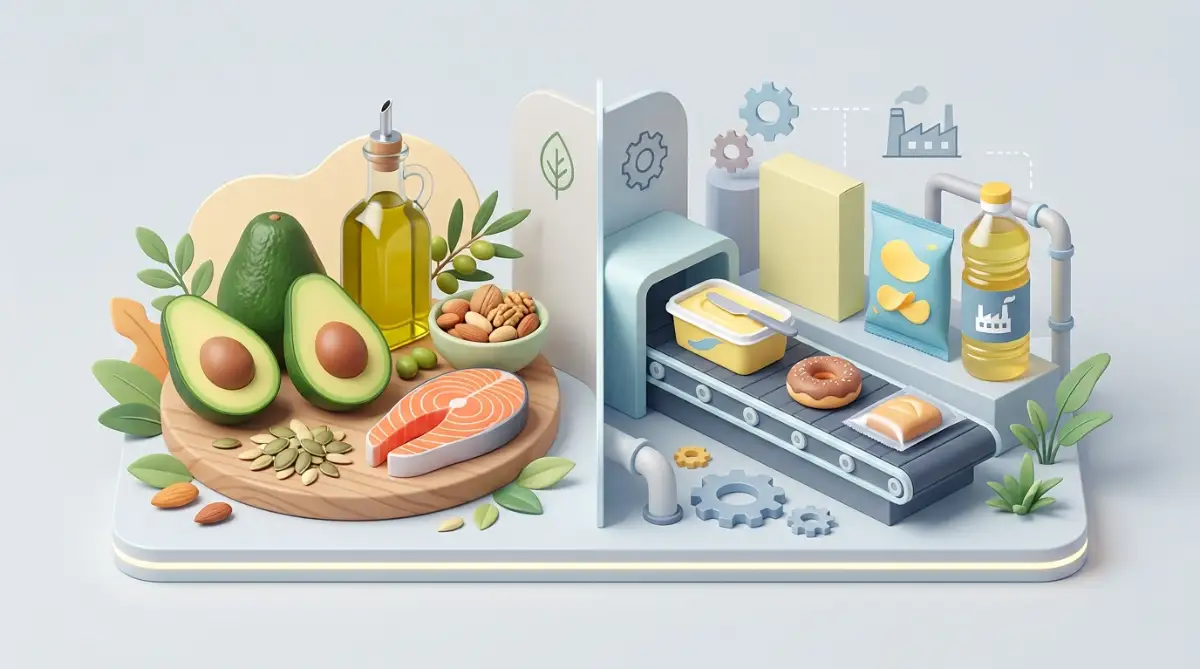
Instead of chasing fat-free alternatives, focus on incorporating natural, unprocessed fats into your daily meals. Think of avocados, raw nuts, seeds, extra virgin olive oil, and fatty fish like salmon.
These wholesome fats support healthy cholesterol levels and keep you feeling full for hours. They do not trigger the sharp blood sugar spikes associated with processed carbohydrate-heavy substitutes.
Imagine your cardiovascular system as a smooth-flowing river; whole foods keep the current steady and clear. Processed fat-free snacks act like debris, slowing down your metabolism and creating internal friction.
Practical Strategies for Everyday Grocery Shopping
Applying these principles in the real world is easier than you might think once you build a new routine. Start by shopping the perimeter of the grocery store where fresh produce and whole foods live.
When you do buy packaged items, treat the ingredient list like a detective story. If a product contains more than five ingredients or items you keep in a chemistry lab, put it back.
Your taste buds will adjust within a couple of weeks if you gradually reduce your intake of artificial sweeteners and added sugars. Real, whole foods begin to taste naturally vibrant and deeply satisfying once your palate resets.
Take charge of your health today by looking beyond the marketing noise on the grocery shelves. Your heart will thank you for choosing real nourishment over clever labels every single time.
Mastering Your Long-Term Nutrition Blueprint
Moving beyond the allure of clever marketing requires a steady shift in your daily kitchen habits. You have already learned how to spot the hidden traps of processed substitutes and refined sugars.
Now is the time to lock in advanced routines that protect your long-term cardiovascular wellness. Building a sustainable lifestyle means focusing on overall nourishment rather than isolated macro counts.
Step 4: Master the Art of Whole Food Substitution
When a recipe calls for a commercial low-fat dairy item, look for a whole food alternative instead. Swap fat-free flavored yogurts for plain Greek yogurt topped with fresh berries and a drizzle of honey.
You control the exact amount of sweetness going into your food when you prepare it yourself. This simple habit cuts out dozens of grams of hidden chemical additives every single week.
Think of your body like a high-performance vehicle that runs smoothly only on premium fuel. Pouring low-grade substitutes into your system over time leads to internal engine trouble.
Step 5: Prioritize Quality Fats Over Artificial Fillers
Your daily meal plan should include reliable sources of healthy monounsaturated and polyunsaturated fats. Add a handful of walnuts to your morning oatmeal or toss pumpkin seeds into your lunchtime salad.
These wholesome additions provide steady, long-burning energy that keeps afternoon brain fog at bay. You will notice that your cravings for sugary snacks begin to fade naturally.
Healthy fats act like a protective shield for your blood vessels, keeping inflammation levels low. Ditching the fat-free mindset frees your body to process nutrients efficiently and naturally.
Maintaining Your New Dietary Habits for Life
Consistency matters far more than achieving perfection on any single day of the week. Give yourself grace when you slip up or accidentally buy a processed item at the grocery store.
Keep a running list of your favorite whole-food snacks taped to your refrigerator door for quick inspiration. Meal prepping on the weekends ensures you always have healthy, nutrient-dense options ready to grab.
Surround yourself with supportive friends or family members who share your wellness goals. Staying accountable to a community makes long-term lifestyle changes feel natural and effortless.
Pitfalls to Avoid on Your Healthy Eating Journey
Changing how you approach food is a powerful step, but certain hidden traps can slow down your progress. Knowing what mistakes to avoid keeps your heart health journey moving safely forward.
Here are five major pitfalls that catch many well-meaning shoppers off guard:
- Falling for the "Health Halo" Effect
- Assuming a product is automatically good for you just because it says "organic" or "fat-free" on the front. Always read the back panel to check for hidden sodium and added syrups.
- Cutting Out All Dietary Fats Blindly
- Eliminating beneficial lipids like olive oil, avocado, and nuts from your diet. Your brain and heart need these healthy fats to regulate cholesterol and maintain cell walls.
- Ignoring Liquid Calories and Beverages
- Focusing entirely on solid foods while drinking sugary coffees, teas, and low-fat flavored milks. Liquid sugars enter your bloodstream rapidly and cause severe metabolic strain.
- Chasing Extreme Dietary Frends
- Jumping from one restrictive diet to another every few weeks without building sustainable habits. True wellness comes from consistent, balanced choices rather than short-term fixes.
- Neglecting Portion Sizes of Whole Foods
- Believing that natural foods can be consumed in limitless quantities without consequence. Even healthy fats like nuts and avocados are calorie-dense and require mindful portion control.
Failing to recognize these traps can lead to chronic fatigue and ongoing frustration with your weight. Keeping your awareness sharp ensures your nutritional efforts translate into genuine physical vitality.
Take a moment to evaluate your current pantry and eliminate items that rely on misleading marketing. Every small adjustment you make today compounds into massive health benefits down the road.
Nourishing Your Body for a Vibrant Future
Your journey toward true heart health starts with a single conscious choice at the grocery store. Look past the bright marketing text and trust the wisdom of natural, whole foods.
Remember that your body thrives when nourished with real ingredients rather than chemical substitutes. You hold the power to shape your long-term well-being through mindful daily habits.
Embrace this new perspective with confidence and patience as you build a stronger lifestyle. Take the first step today by checking the ingredient labels in your kitchen cabinet.