That Post-Meal Slump Is Not in Your Head: The Hidden Cold Water Trap
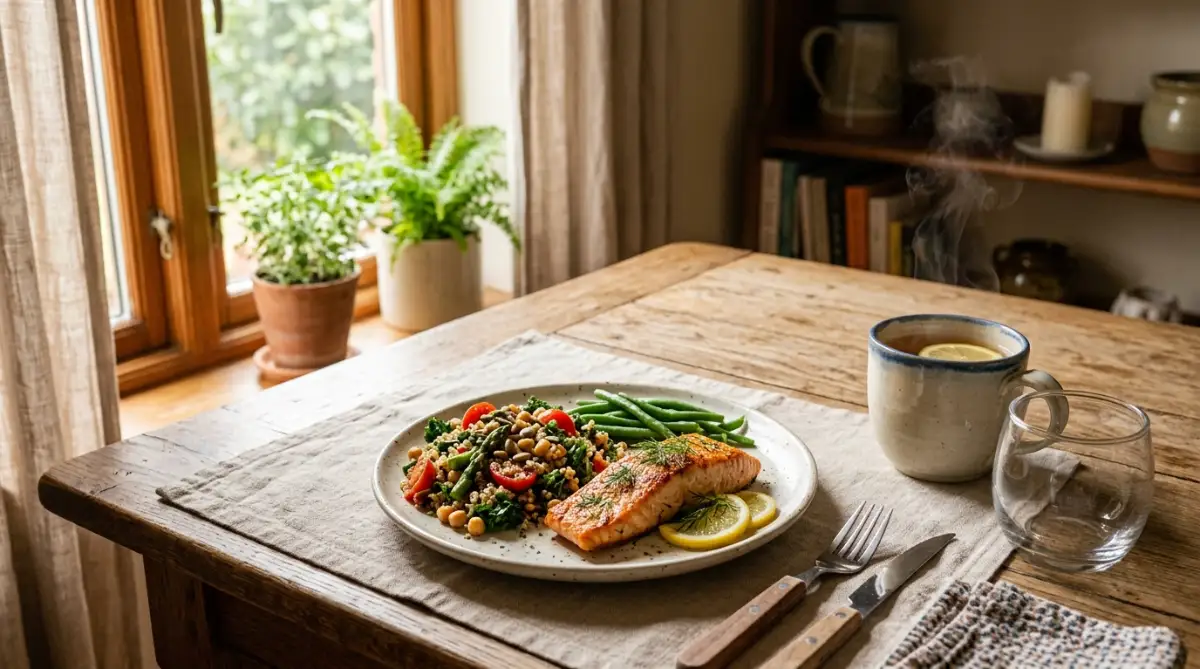
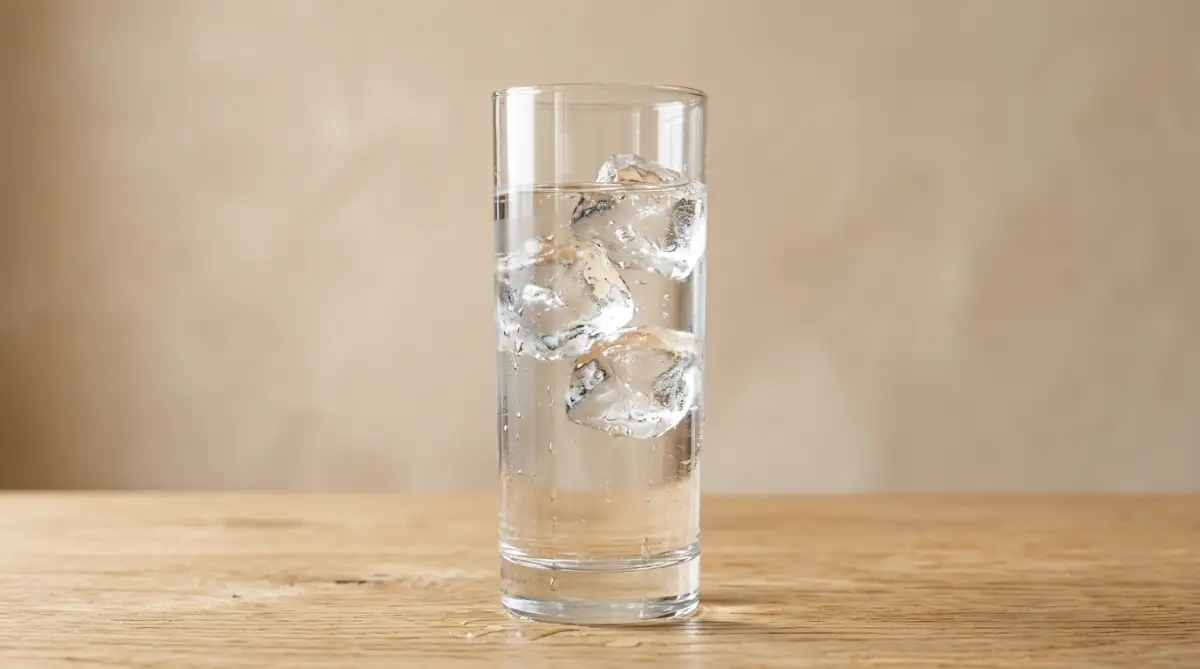
You sit down to enjoy a fresh, warm, well-balanced meal. You feel great, take your time, and wash it all down with a large glass of ice-cold water.
Within twenty minutes, your stomach feels like a block of heavy concrete. You experience sudden bloating, a sharp dip in your energy, and an uncomfortable tightness around your waistline.
You might assume the food was too heavy or greasy. The real reason, however, is often sitting right inside your icy glass.
Why Most People Never Find the Real Cause
- The popular calorie myth: Fitness blogs frequently claim that freezing water burns extra calories, leading people to drink it at the worst possible time.
- Misdirected blame on specific food groups: People quickly cut out gluten, dairy, or healthy carbs, assuming an allergy is causing their heavy bloating.
- Overlooking simple mealtime biology: Most wellness advice focuses entirely on what is on your plate rather than the physical state of your stomach.
- Relying on quick-fix digestive pills: Over-the-counter antacids hide the true issue instead of addressing the temperature shock in your gut.
How Chronic Bloating Destroys Your Daily Confidence
- Constant physical self-consciousness: Having your stomach swell after clean meals makes picking outfits a stressful, frustrating daily chore.
- Unpredictable afternoon brain fog: Sluggish digestion pulls blood away from your brain, leaving you struggling to focus during important work hours.
- Social anxiety around dining out: You start dreading dinner dates or family parties because you anticipate painful cramps and gas afterward.
- The feeling that your body is failing: When clean eating does not produce results, you lose trust in your own health journey.
The True Reality of Internal Thermal Shock
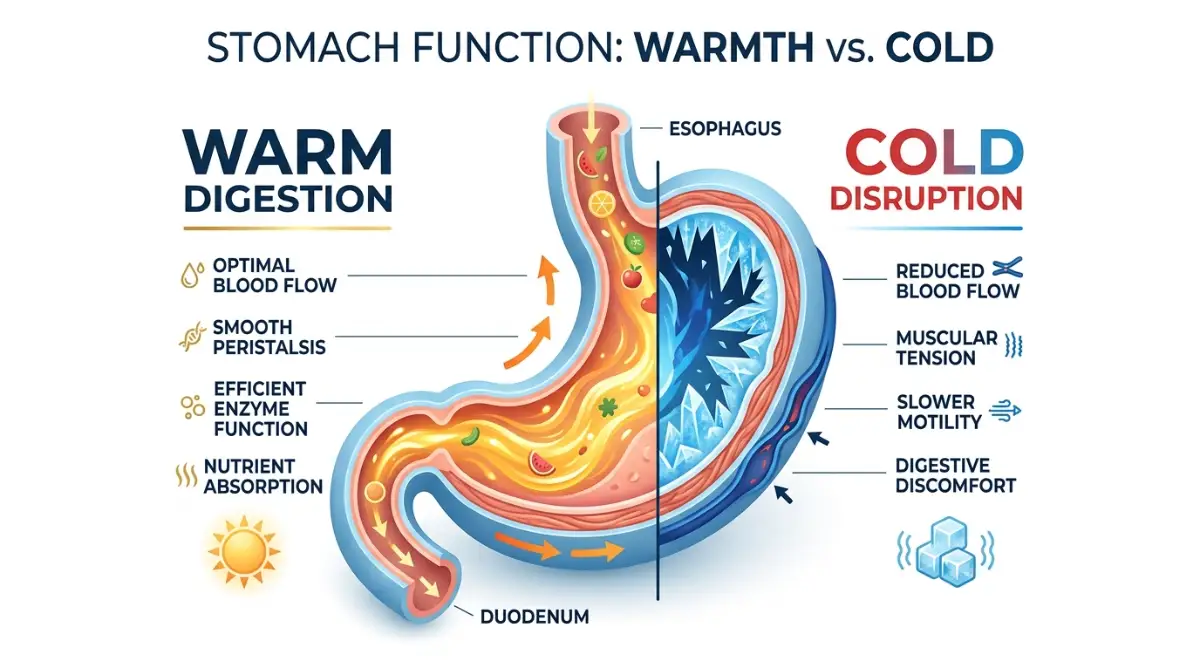
Your stomach is an active biological furnace designed to operate at around 98.6°F (37°C). It depends on this stable heat to churn food, activate enzymes, and break down complex nutrients smoothly.
When you pour freezing water into this active environment, your stomach experiences immediate thermal shock. Blood vessels contract instantly, stomach acids cool down, and your digestive motility grinds to a sudden halt.
We spend so much time counting our macros and buying organic produce. Yet, a simple habit like adding ice cubes to our dinner table quietly sabotages our body's digestive rhythm.
Rewiring Your Mealtime Habits: 3 Proven Shifts to Protect Your Digestion
1. Protect Your Stomach's Natural Heat Window
Think about what happens when you pour ice-cold water onto a hot frying pan coated with melted butter or oil. The fats solidify almost instantly into a sticky, stubborn grease that clings to the metal surface.
The exact same reaction takes place inside your stomach when you consume cold drinks alongside dietary fats and proteins. Your stomach juices need warmth to keep fats emulsified and easily accessible for digestive enzymes.
When those fats solidify into a dense mass, your stomach must work twice as hard to break them apart. This unnecessary strain causes food to sit in your upper digestive tract much longer than it should.
Your primary protein-digesting enzyme, pepsin, functions at its absolute best within your normal internal body temperature. Dropping that internal temperature by even a few degrees slows down the rate of chemical breakdown.
When protein breakdown is delayed, partially digested food particles enter your small intestine prematurely. This triggers excess fermentation, leading directly to painful gas, sharp cramps, and severe bloating.
You can easily prevent this chain reaction by avoiding icy drinks starting 15 minutes before your first bite. Giving your stomach a stable temperature window allows natural gastric acids to prepare for efficient breakdown.
What You Can Do Today
- Check the temperature of your cup: Always choose room-temperature water or warm tea over iced beverages when eating solid foods.
- Avoid ice dispensers at restaurants: Politely ask your server for tap or room-temperature water without ice cubes.
- Watch your fat sources: If your meal contains olive oil, butter, cheese, or animal meats, avoid chilled drinks entirely.
2. Follow the Sip-Not-Gulp Protocol
Hydration is wonderful for your overall health, but the timing and volume of your water intake make all the difference. Gulping down 12 to 16 ounces of any cold fluid while eating severely dilutes your gastric secretions.
Your stomach produces concentrated hydrochloric acid (HCl) to dissolve food and kill harmful bacteria. Washing this acid away with large gulps of water raises the pH level inside your stomach, making it far too alkaline.
An alkaline environment prevents your stomach from signaling the pancreas to release essential digestive enzymes. The entire metabolic sequence becomes sluggish and disorganized.
The Water-Balloon Analogy
Imagine your stomach as a flexible balloon containing strong, specialized acids. If you fill that balloon with solid food and then rapidly add two cups of freezing liquid, the walls stretch past their comfortable limit.
This over-stretching triggers stretch receptors that send distress signals straight to your nervous system. Your brain interprets this sudden mechanical pressure as intense heaviness, fatigue, and uncomfortable fullness.
You do not need to avoid liquids completely while eating. You simply need to change how you consume them by taking small, mindful sips rather than deep gulps.
code
Code
Large Icy Gulps -> Acid Dilution -> Weakened Chemical Breakdown -> Sluggish Metabolic Response
What You Can Do Today
- Cap your mealtime liquid intake: Limit yourself to no more than 4 to 6 ounces of liquid during the entire meal.
- Use small sips for lubrication: Only drink a small sip when you need to moisten your mouth or swallow dry food safely.
- Hydrate between your meals: Drink your large glasses of water at least 45 to 60 minutes after you finish eating.
3. Prime Your System with Warm Thermogenic Drinks
Instead of shocking your internal organs with freezing drinks, you can use warm liquids to stimulate digestion naturally. Warm fluids act as gentle vasodilators, widening the blood vessels that surround your digestive tract.
Increased blood flow brings fresh oxygen and essential nutrients to the smooth muscles of your stomach lining. This improves peristalsis, which is the wave-like muscular contraction that moves food smoothly through your intestines.
Warm drinks also help relax the pyloric sphincter, the muscular valve that controls the exit of food from your stomach into your intestines. When this valve relaxes naturally, your stomach empties on time without uncomfortable backup.
Simple Pre-Meal Warm Tonics
You do not need fancy powders or expensive store-bought supplements to prime your gut. A simple mug of warm water mixed with a slice of fresh lemon works wonders for awakening your digestive secretions.
Another great option is fresh ginger root steeped in hot water for five minutes. Ginger contains gingerols, natural compounds that actively speed up gastric emptying and protect against post-meal sluggishness.
Drinking a small cup of warm tea 10 minutes before your meal prepares your stomach lining for efficient nutrient breakdown. It sets a soothing, warm foundation that allows your metabolism to process food cleanly and efficiently.
What You Can Do Today
- Brew a 5-minute ginger tonic: Slice three thin pieces of fresh ginger root and steep them in hot water before your largest meal.
- Sip warm lemon water: Add one teaspoon of fresh lemon juice to a mug of warm water to naturally stimulate saliva and bile production.
- Take note of your energy levels: Track how your stomach feels over the next three days when using warm tonics instead of iced water.
Advanced Daily Strategies to Keep Your Metabolic Engine Running Strong
4. Build a Dedicated Hydration Schedule Around Your Digestive Windows
Your digestive tract thrives on predictability and clean operational windows. When you separate your primary fluid intake from your heavy eating periods, you give your stomach acid the exact environment it needs to stay potent.
I recommend following the 30-60 Hydration Rule to safeguard your digestive power throughout the entire day. Drink your largest quantities of room-temperature water up to thirty minutes before you eat, or wait sixty minutes after you finish your meal.
This dedicated timing window gives your stomach plenty of time to clear liquids and build up fresh hydrochloric acid. By the time your food lands on your plate, your internal furnace is completely primed and ready to break down complex nutrients.
code
Code
Full Hydration -> 30-Minute Dry Gap -> Warm Nutrient-Dense Meal -> 60-Minute Rest Gap -> Resume Hydration
How the "Dry Window" Protects Nutrient Absorption
During the active eating window, your stomach lining releases specialized intrinsic factors and enzymes that need direct contact with food particles. If you flood your stomach chamber with cold water, you dilute these chemical messengers before they can bind to proteins and vitamins.
This simple dry gap allows your body to extract key minerals like iron, zinc, and magnesium with peak efficiency. You will notice less post-meal heaviness and significantly higher energy levels throughout the afternoon.
If you ever feel dry while eating, simply chew your food a few extra times. Your salivary glands produce natural enzymes like amylase that lubricate your meal without altering your core stomach temperature.
Simple Habit-Building Routine
- Set a gentle timer: Drink a large, 12-ounce glass of room-temperature water thirty minutes before your lunch break.
- Keep your plate dry: Remove large water tumblers from your dining table so you are not tempted to sip out of boredom.
- Resume water intake mindfully: Enjoy your next full glass of water one hour after your meal has fully settled.
5. Stimulate Bile Flow with Warm Spiced Hydration Between Meals
Your liver and gallbladder work together to produce and store bile, the greenish fluid responsible for breaking down fats in your small intestine. Cold fluids can trigger sudden spasms in the bile duct, slowing down the release of this natural fat-dissolving fluid.
You can actively support healthy bile flow by drinking warm, spice-infused water between your main meals. Spices like cumin, fennel, and coriander contain volatile oils that stimulate bile production and soothe smooth muscle tissue along your intestines.
When your bile flows freely, your body breaks down dietary fats into clean energy instead of storing them as stubborn cellular waste. This directly supports your baseline metabolic rate and keeps your digestive transit time moving along a healthy timeline.
code
Code
Warm Spiced Water -> Increased Bile Flow -> Faster Fat Breakdown -> Consistent Energy Levels
The Gentle Daily Spiced Tonic
To make this gentle tonic, add half a teaspoon of crushed fennel seeds and a pinch of ground cumin to a cup of warm water. Let it steep for four to five minutes, strain out the seeds, and sip it slowly mid-morning or mid-afternoon.
Fennel seeds contain anethole, an active organic compound that stops intestinal spasms and clears trapped air from your digestive tract. Cumin accelerates the secretion of pancreatic enzymes, ensuring your next meal digests smoothly and without delay.
This simple daily practice warms your core from the inside out, keeping your metabolic processes active between your primary meals. It also serves as a relaxing break that lowers stress levels and keeps your gut-brain axis balanced.
Daily Action Plan
- Prepare a small thermos: Keep a small thermos of warm fennel or cumin tea on your work desk for easy afternoon sipping.
- Avoid iced coffees after lunch: Swap icy cold lattes with warm spiced herbal infusions to avoid shocking your stomach after dining.
- Notice the difference in your belly: Watch how quickly post-meal bloating subsides over the course of just four to five days.
6. Reset Your Vagus Nerve with Slow Post-Meal Transitions
Your digestion is controlled entirely by the parasympathetic nervous system, often referred to as the "rest and digest" state. The vagus nerve serves as the main biological communication highway between your brain, heart, and digestive organs.
When you rush through a meal, gulp down cold drinks, and immediately sprint back to work, your body switches into fight-or-flight mode. This stress response pulls blood flow away from your stomach muscles and sends it directly to your limbs, halting digestion.
Taking five quiet minutes after finishing your food protects your metabolic rate just as much as eating clean ingredients. It keeps your stomach temperature stable and allows your vagus nerve to send strong digestive signals straight down to your gut.
The Simple Five-Minute Digestion Walk
Instead of slumping over your computer screen or sitting on the couch right after eating, take a slow, gentle five-minute stroll. Keep your pace relaxed, your breathing steady, and your posture upright.
A light walk helps move food through your stomach naturally by utilizing gentle gravity and rhythmic abdominal contractions. It also prevents blood sugar spikes, which are famous for triggering sudden energy crashes and intense cravings later in the day.
Make sure you avoid intense gym workouts or rapid running immediately after your meals. Vigorous exercise draws oxygen away from your gut, causing the exact same digestive stall as a glass of ice water.
code
Code
Calm Post-Meal Walk -> Vagus Nerve Activation -> Steady Blood Flow to Gut -> Smooth Nutrient Processing
Long-Term Lifestyle Guidelines
- Practice three deep belly breaths: Take three slow breaths through your nose before picking up your fork to activate your rest-and-digest mode.
- Take a light 5-minute stroll: Walk slowly around your living room or office floor after your meal to encourage smooth gastric emptying.
- Maintain good dining posture: Sit completely upright while eating to avoid compressing your stomach and upper intestines.
5 Common Pitfalls That Secretly Ruin Your Digestive Fire
When people learn about the negative effects of cold water, they often make extreme changes that bring new problems. Knowing what to avoid will save you from unnecessary frustration and keep your gut healthy for the long haul.
1. Drinking Scalding Hot Water Instead
Some people swing to the opposite extreme and start drinking steaming, almost boiling water while they eat. Extremely hot liquids can irritate the delicate mucous lining of your esophagus and stomach wall.
This irritation can trigger mild inflammation, causing acid reflux and an uncomfortable burning sensation in your chest. The goal is never to cook your stomach; the goal is simply to match your body's natural resting temperature.
Stick to pleasantly warm or room-temperature liquids that you can sip comfortably without blowing on the cup. Think of warm soup temperature as your ideal benchmark for digestive comfort.
2. Cutting Down on Water Intake Out of Fear
Another common mistake is restricting water intake so much that you end up chronically dehydrated throughout the week. Some people become so fearful of diluting their stomach acid that they avoid water for hours on end.
Dehydration hardens your stool, slows down intestinal motility, and makes your body retain excess water, leading to false weight gain. Your kidneys and liver require plenty of fresh water to flush out metabolic waste products every single day.
You do not need to drink less water overall; you only need to time your water intake correctly. Drink the bulk of your pure, clean water in between your meals when your stomach is empty.
3. Replacing Cold Water with Cold Soda or Iced Seltzers
Many people stop drinking ice water only to replace it with chilled sparkling water, iced teas, or cold diet sodas. Cold carbonated drinks are actually twice as harmful to your digestive fire as plain ice water.
The carbonation introduces pockets of carbon dioxide gas directly into your stomach, which stretches the gastric lining and forces premature burping. Combine that with icy temperatures and artificial sweeteners, and your digestive enzymes become completely paralyzed.
If you enjoy sparkling water, let the can sit on the counter until it reaches room temperature before opening it. Better yet, choose still water with a slice of fresh cucumber or a sprig of fresh mint.
4. Downing Ice-Cold Protein Smoothies for Breakfast
Starting your morning with a giant, thick smoothie loaded with frozen berries and ice cubes is a classic metabolic mistake. Your digestive system wakes up slowly in the morning, meaning its internal warmth and circulation are at their lowest baseline.
Hitting your sleepy stomach with a dense, freezing shake forces your system to expend huge amounts of energy just warming up the liquid. This often leads to immediate morning cramps, sudden loose stools, or heavy stomach distension before your workday even begins.
If you love morning smoothies, use room-temperature liquids and thawed fruits instead of hard ice cubes. Let your smoothie sit on the counter for ten minutes before drinking it slowly with small sips.
5. Forgetting to Chew Your Food Completely
No amount of warm water will fix your digestion if you swallow large, unchewed chunks of solid food. Your stomach does not have teeth; it relies on your mouth to mechanically break down food fibers into a fine paste.
When large food particles hit your stomach, your body has to produce massive amounts of extra acid to break them down. This prolongs your digestion time, exhausts your digestive organs, and makes you feel tired for hours after eating.
Take small bites and chew each mouthful until it becomes almost liquid before you swallow. This simple habit cuts the workload of your stomach in half and works hand-in-hand with proper hydration temperatures.
Reclaim Your Natural Energy and Feel Light After Every Meal
Caring for your digestive health does not require complicated rules, expensive supplements, or extreme lifestyle overhauls. Often, the most powerful health transformations come from the smallest, most natural adjustments to our daily routines.
By simply setting aside the glass of ice-cold water during your meals, you remove a major roadblock from your body's natural digestive engine. You allow your stomach acids to stay strong, your digestive enzymes to work smoothly, and your metabolism to process nutrients without unnecessary thermal shock.
Think about how good it feels to finish a delicious, nourishing lunch and walk away feeling energized, light, and clear-headed. No more heavy stomach cramps, no more afternoon brain fog, and no more unbuttoning your pants under your desk.
Start with your very next meal today. Pour yourself a small glass of room-temperature water or steep a soothing cup of warm tea, and pay close attention to how your body thanks you for the warmth.