
The Reality of a Growing Debt Burden
Stop the Growth
-
Target the Principal: Always specify that extra payments must hit the principal to stop interest compounding.
-
The Avalanche Method: Focus all spare cash on the loan with the highest interest rate first.
-
Automate & Save: Use auto-pay to potentially snag a small rate discount and stay consistent.
-
Check the Math: Log in once a month to ensure your payments are actually reducing your total balance.
Staring at your student loan statement and seeing the balance tick upward instead of downward is incredibly draining. It feels like walking up a down escalator—no matter how fast you go, you barely stay in place. You aren't doing anything wrong; you just haven't been shown how the system works yet. Let’s break down exactly why this happens and how you can finally force that number to shrink.
You might be wondering why your payments seem to disappear into thin air. Instead of seeing your debt go down, you watch it climb higher. This creates a cycle of stress that follows you throughout your day. You are not alone in this, but it is time to understand what is actually happening.
Why Finding Real Solutions Feels Impossible
Searching for answers often leads to more confusion rather than clarity. Many borrowers end up more frustrated because of the conflicting information they find online.
- Some sources suggest complex strategies that do not apply to your specific loan type.
- Misleading headlines often promise "debt forgiveness" that is not realistic for everyone.
- Technical jargon in loan documents makes it hard to see where the money is actually going.
- Many people rely on advice from social media instead of looking at their own loan terms.
How Rising Debt Impacts Your Mental Health
Seeing a balance increase creates a heavy emotional toll that is hard to ignore. It is not just about numbers on a screen; it affects your daily peace of mind.
- You may feel a constant sense of anxiety whenever you think about your financial future.
- The feeling of helplessness can lower your confidence in making other life decisions.
- Your sleep might suffer as you worry about how to manage these monthly payments.
- It often creates a barrier to planning for other goals like saving for a home or traveling.

Understanding Interest Accumulation
The "Snowball" Reality
If your monthly interest is $100 and you pay $95, you haven't just failed to pay off debt—you have created $5 in new debt. Over a year, that small gap adds $60 to your principal, meaning next month's interest will be even higher. This is the "interest trap" in action.
To stop your balance from rising, you must first understand how interest works. Most student loans are simple interest loans, but they are calculated daily. This means that every single day, a small amount of interest is added to your total.
When your monthly payment is not enough to cover the interest, the remaining amount is added to the principal. This is called negative amortization. It is the primary reason why your loan balance seems to grow every month. If you only pay the minimum, you are often barely covering the interest that accumulates.
Step 1: Analyze Your Loan Terms and Interest Rates
You need to know exactly what you are dealing with before you can fix it. Start by logging into your loan servicer’s website and downloading your full loan history. Look for the interest rate and the type of loan you have.
Some loans have higher rates than others, which makes them grow faster. By identifying the loan with the highest interest rate, you know where to focus your extra money. Prioritize these loans to stop them from ballooning further. Even a small extra payment towards the principal makes a difference over time.
Step 2: Implement Targeted Extra Payments
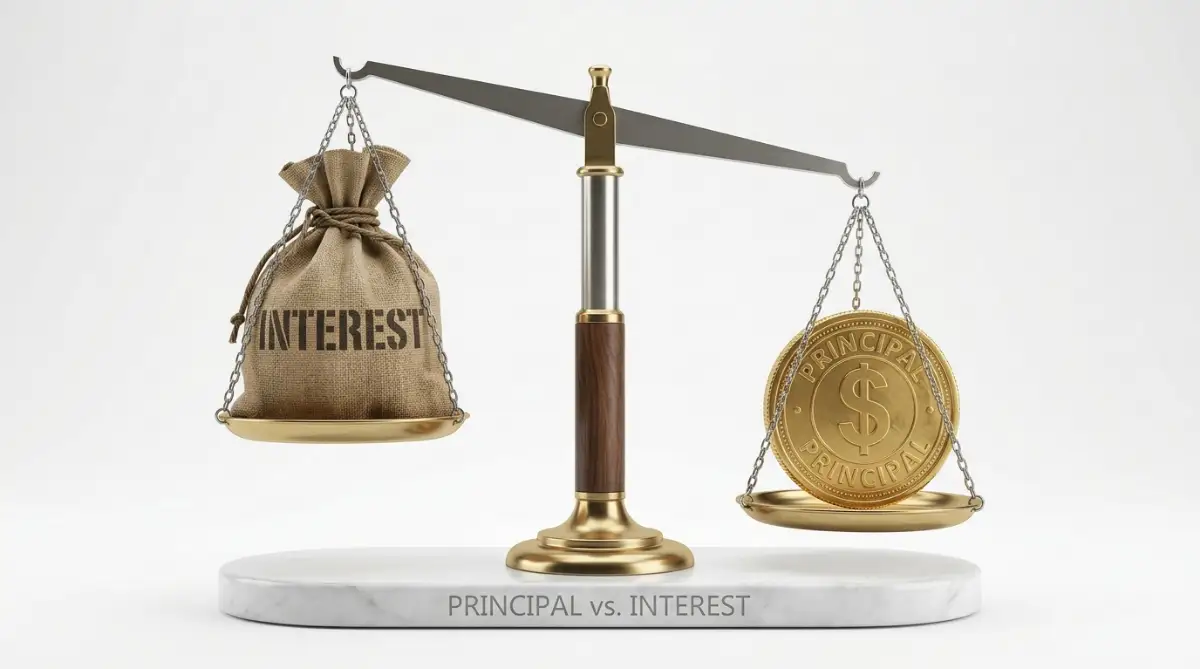
Many people think that adding a few dollars to their payment is useless, but this is a mistake. The key is to ensure that your extra payments are applied directly to the principal. You must explicitly tell your loan servicer to do this.
If you do not specify this, the bank might treat your extra money as an early payment for next month. That does not lower the total interest you owe. Call your servicer or use their online portal to designate extra funds for the principal. This simple action stops the interest from compounding on that portion of the debt.
Step 3: Switch to a Strategic Repayment Plan
Sometimes, the standard repayment plan is not the right choice for your budget. You might benefit from an income-driven plan or a plan that focuses on paying off loans faster. Look into options that allow you to pay more during months when you have extra income.
Consider the Avalanche Method, where you pay the minimum on all loans and put all extra cash toward the loan with the highest interest. This method is mathematically designed to save you the most money. It stops the most expensive debt from growing rapidly. Keep track of your progress by keeping a simple spreadsheet of your balances. Seeing your debt decrease, even by small amounts, will keep you motivated. You are now moving from a place of confusion to a position of action. Stay consistent with these steps, and you will see the change in your financial future.
Mastering Interest Management: Advanced Strategies
You now understand the basics of principal payments and interest cycles. To really move the needle, we need to look at smarter ways to handle your money. These expert-level secrets will help you manage your debt with much more efficiency.
Step 4: The Bi-Weekly Payment Hack
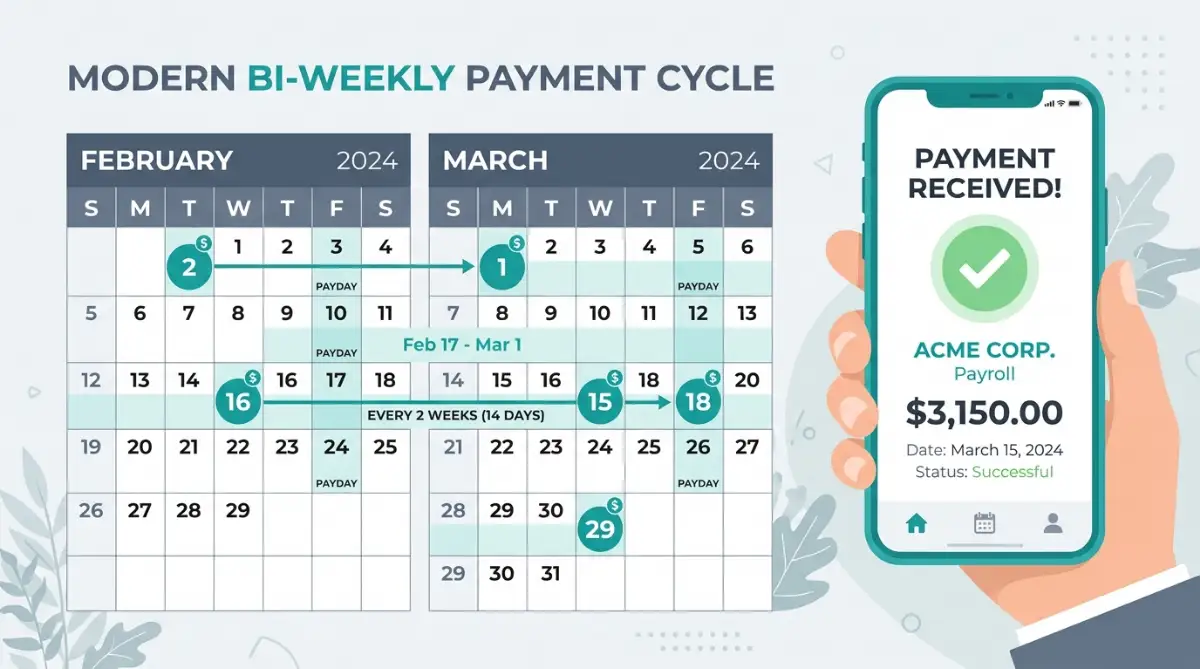
Instead of making one large monthly payment, try splitting it in two and paying every two weeks. This simple change results in one full extra payment by the end of the year without you feeling a huge pinch.
Because you are making payments more often, the interest has less time to grow. This is the power of compound interest working in your favor instead of against you. It is a small behavioral shift that yields big results over time.
Step 5: Automating Your Financial Discipline
The Lender Call Script
When you call your servicer, say this: "I am making an extra payment today of $[Amount]. Please ensure this is applied 100% to the principal balance, not as a future payment credit." Always ask for a confirmation number for your records.
Consistency is the hardest part of managing any debt. When you rely on memory, you might miss a due date or forget to add that extra amount for the principal. Setting up automatic payments removes the emotional hurdle of deciding to pay every month.
Most lenders even offer a small interest rate discount when you enroll in auto-pay. This is a double win for you: you get a slightly lower rate and you never miss a payment. It creates a rhythm that makes debt repayment feel like a background task.
Maintaining Your Long-Term Momentum
The secret to staying on track is to stop looking at the massive total every single day. Instead, focus on small, visible milestones. Reward yourself when you pay off a small portion of the principal or when you see your total balance drop below a specific number.
- Keep a simple tracker on your fridge or phone.
- Celebrate small wins, like reaching a 5% reduction in your total debt.
- Check your loan statement only once a month to avoid unnecessary stress.
Think of debt repayment like training for a marathon. You do not run the full distance on the first day. You build up your stamina through consistent, daily habits that get easier the longer you do them. If you have a bad month, do not quit. Just get back to your plan the next month.
Traps That Keep Your Balance Growing
Even with the best plans, many people fall into common traps that slow them down. Recognizing these early can save you thousands of dollars in interest over the life of your loan.
1. Only Making the Minimum Payment
The minimum payment is designed to keep your account current, not to pay off the debt. If you only pay the minimum, you are often paying mostly interest and very little toward the actual principal. This is the fastest way to stay in debt for a very long time.
2. Ignoring Capitalized Interest
When you are in school or a grace period, interest often adds to your loan total. This is called capitalization. It means your interest is now part of the principal, and you will pay interest on top of that interest.
3. Mismanaging Multiple Loans
If you have five different loans, you cannot treat them all the same. Each loan might have a different interest rate. If you distribute your extra payments equally, you are losing money. Always target the loan with the highest interest rate first to stop it from growing.
4. Relying on Forbearance Too Often
Forbearance might seem like a lifesaver when money is tight. However, interest continues to accumulate during this time. If you use it too often, your final balance will be much higher than when you started.
5. Not Checking Your Statement
Many borrowers ignore their statements because they are afraid of the numbers. If you do not check your statements, you might miss errors or fail to notice when a payment was not applied correctly. Always verify that your extra payments are hitting the principal balance.
Every dollar you put toward your principal is an investment in your own freedom. It might not feel fast at first, but the results build up like a snowball rolling downhill. Keep your focus on the goal and stay consistent with your habits.
You do not need to be a finance expert to succeed. You just need to be diligent and patient. Start today by logging into your account and making a plan for your next payment. You have everything you need to win this fight.