The Overwhelming Anxiety of Unreadable Numbers
Looking at a pile of financial reports can make you feel like you're trying to decode a secret language. You want to know one simple thing: 'Am I actually making money?' But instead, you get buried under rows of numbers that don't seem to make sense. I've been there, and I know how frustrating it is to feel blind about your own bank account. Let’s strip away the fancy accounting jargon and look at how you can read these reports like a pro, so you can finally stop guessing and start growing your wealth.
But the thick report sitting on my desk looked like it was written in a completely alien language. I kept asking myself if I was secretly going broke or if I was actually making a solid profit. Every single line item on that page felt like a heavy math test I had absolutely not studied for.
So many regular people deal with this exact same headache every single time they check their annual reports. You sit down with a pile of papers, hoping to finally get a clear picture of your hard-earned money. Instead, you just feel overwhelmed, confused, and frustrated by completely unfamiliar accounting terms.
This deep confusion quietly destroys your daily peace of mind. You start second-guessing every single spending decision you make throughout the week. You constantly wonder if you are making a massive financial mistake that will eventually ruin your future.
The truth is, most of us were never taught how to decode these documents in school. We are expected to just figure it out on our own, which usually leads to very expensive mistakes. People end up taking on bad debt simply because they did not understand what their balance sheet was warning them about.
Your daily life becomes highly stressful when you cannot clearly see where your cash is going. You might be making a great income, but still feel like you are struggling to survive. This invisible burden puts pressure on your family, your relationships, and your overall mental health.

Cheat Sheet: Your Financial Audit at a Glance
- The Balance Sheet is your 'Snapshot'—it shows what you own vs. what you owe right now.
- The Income Statement is your 'Movie'—it tracks how much money moves in and out over time.
- Cash is Oxygen: A profitable business can still fail if it runs out of physical cash. Always watch your Cash Flow statement.
- Check the APR: When borrowing, don't just look at interest; look at the Annual Percentage Rate to see the true cost.
- Separate Everything: Never mix your personal bills with your business expenses. It makes your reports impossible to read."
Cracking the Code: Reading Your Financials Like a Pro
To get a clear picture of your money, you need to understand the big three reports. Auditors do not look at everything at once, and neither should you. They break the information down into bite-sized, logical pieces. Let us look at how you can do the exact same thing without getting a headache.
The Balance Sheet: Your Financial Selfie
Think of the balance sheet as a simple photograph of your financial life. It captures exactly what you own and exactly what you owe at one specific moment in time. It does not show what happened yesterday or what will happen tomorrow.
It works on a very basic, logical formula that anyone can follow.
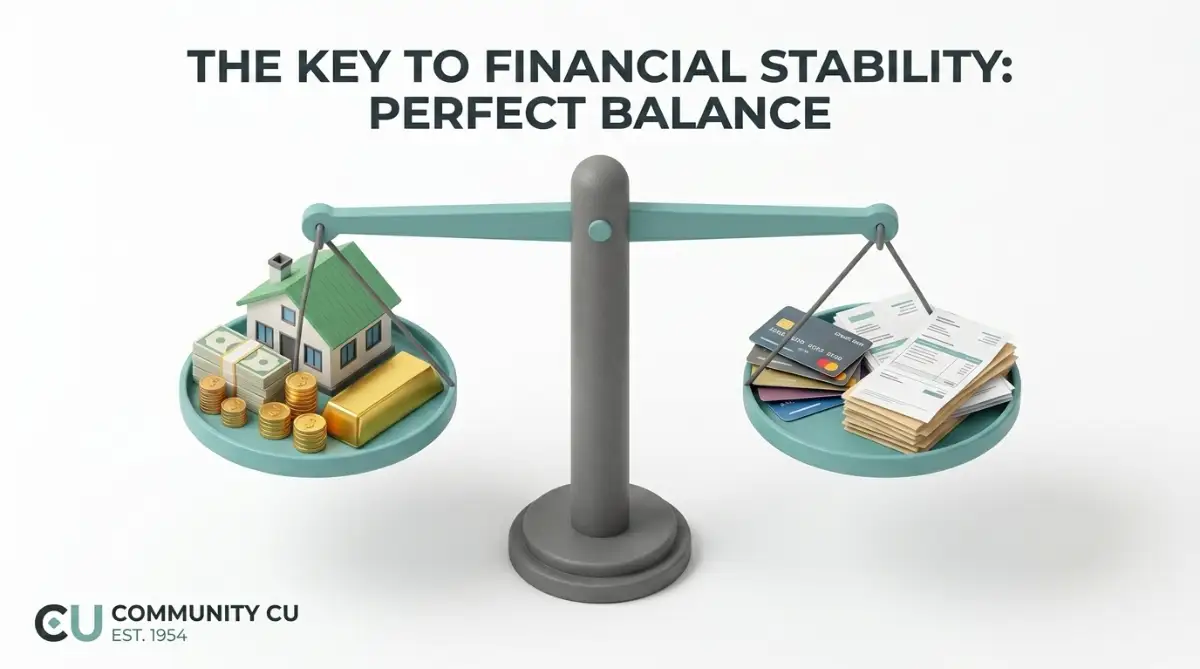
Your assets will always equal your liabilities plus your equity. If that sounds a bit too technical, do not worry at all. Let us break it down with a completely real-life example.
Imagine you own a house worth $300,000 in today's market. That is your asset. However, you still owe the bank $200,000 for your mortgage loan. That is your liability. The $100,000 difference is your equity, which is the part of the house you actually own free and clear.
Auditors always check if your liabilities are growing faster than your assets. If your debts are creeping up while your savings stay flat, you are walking right into a financial trap. You always want to see your total equity steadily increasing over time.
Here is a quick and highly effective way to read your balance sheet. Start by looking closely at your current assets. These are things you can easily turn into cash within twelve months, like your primary checking account. Then, compare them directly to your current liabilities, which are bills you must pay this year.
If your short-term bills are noticeably larger than your short-term cash, you have a major red flag on your hands. This simply means you might struggle to pay your upcoming daily expenses.
Is Your Wallet Healthy?
You don't need to be an accountant to run this quick 'Current Ratio' test on your balance sheet:
The Income Statement: The Movie of Your Money
While the balance sheet is a single photo, the income statement is a moving picture. It shows the complete story of your money over a specific period, like a full calendar month or year. It meticulously tracks exactly how much money came in and how much money went out.
Many people just skip to the very bottom line to see their total profit. This is actually a massive mistake. The bottom line does not tell you the full story of your personal spending habits. You need to read the income statement from the top down.
At the very top, you have your gross income. This is all the money you earned before anyone took a single penny away. Right below that, you will find your direct, everyday expenses. These are the costs you absolutely had to pay to keep your life or small business running smoothly.
Let us use a very simple analogy to understand this better. If you run a small bakery, selling fresh bread brings in your daily revenue. The raw flour, sugar, and yeast you buy are your direct expenses. If the cost of flour suddenly doubles, your total profit will shrink fast, even if you sell the same exact amount of bread.
This is where a lot of smart people get completely stuck. They see a high gross income at the top and instantly think they are doing amazing. But they completely ignore the creeping, hidden expenses hiding in the middle of the report.
PRO TIP: When I first started tracking my own numbers, I only looked at my total revenue and felt quite proud of myself. I completely ignored my small monthly subscriptions and random hidden bank fees. It was only when I sat down and read my income statement line by line that I realized I was bleeding hundreds of dollars on things I never even used! Always review every single expense category, no matter how small it looks.
Spotting the Danger Signs in Your Expenses
Auditors have a highly trained eye for finding unusual spending patterns. You can easily train your brain to do the exact same thing today. Start by simply comparing your current income statement to your previous one side by side.
Look very closely for any expense category that suddenly jumped up by a large percentage. Did your utility bills unexpectedly increase by fifty percent? Did your monthly office supply costs suddenly triple? These sudden spikes are your ultimate warning signs.
If you find a massive, unexplained increase, ask yourself exactly why it happened. Was it a one-time unavoidable emergency, or is it a bad new habit forming? Catching these negative trends early is exactly how you protect your hard-earned wealth.
To make this super simple to remember, let us look at a quick comparison of what regular people think versus how auditors actually think.
The Cash Flow Statement: Your Financial Oxygen
This is arguably the absolute most important document of the big three. You can have a highly profitable income statement and a solid balance sheet, but still go entirely broke. How is that even mathematically possible? It all comes down to your actual cash flow.
The cash flow statement simply shows the actual physical cash moving in and out of your bank accounts. Profit is just a nice theory written on a piece of paper. Cash is the actual oxygen that keeps your financial body breathing and surviving.
Auditors always break this specific statement down into three clear, distinct sections. The first is operating activities. This shows the actual cash you generate from your normal, everyday work or business operations. This specific number needs to be positive at all times.
If your operating cash flow is repeatedly negative, it means your basic daily routine is constantly losing money. You are surviving by either draining your precious savings or borrowing more money from a lender. This is highly unsustainable and very dangerous for your future.
Investing and Financing Cash Flows Explained
The second section you will see is investing activities. Do not let the fancy name confuse you at all. This just shows the physical cash spent on long-term assets, like buying a new work computer or purchasing property. It also records the cash received from selling those items.
A negative number in this section is not always a terrible thing. It usually just means you are aggressively buying assets that will help you grow your income in the future. You are essentially planting seeds today so you can harvest a much bigger crop later.
The final section is financing activities. This strictly tracks the money you borrow from banks and the money you pay back to them. If you take out a large personal loan, your total cash flow will look completely amazing that month.
But a smart auditor knows that borrowed money is definitely not true wealth. It is a temporary injection of cash that comes with a very heavy, long-term price tag.
Myth vs. Reality: The Cash Flow Trap
- The Myth: If my business shows a profit of $5,000 this month, I have $5,000 to spend.
- The Reality: Profit is just a paper calculation. If your customers haven't paid their bills yet, you might have $0 in your actual bank account. I always tell my friends: 'Profit is an opinion, but Cash is a fact.' Never spend your profit until it actually hits your bank as cash.
Ready to see exactly how professional accountants trace missing money in just a few minutes? Watch this brilliant explanation right here:
Connecting the Dots Between the Reports
Now that you understand the three main pieces, you need to see exactly how they connect. Reading just one single report is like trying to understand a full movie by only watching the middle scene. You desperately need the full context.
The absolute bottom line of your income statement connects directly to your balance sheet. If you make a solid, consistent profit, that extra money flows naturally into your equity. Your overall financial strength instantly grows.
Meanwhile, the cash flow statement acts as the perfect bridge between your old balance sheet and your new one. It explains exactly why your checking account balance changed over the last twelve months.
Let us carefully walk through a very practical scenario. Imagine you buy a massive inventory of products today to sell later. Your income statement will look perfectly fine because you have not officially sold them yet. But your cash flow statement will scream for help because all your physical cash is suddenly gone.
Your balance sheet will simply show that you traded liquid cash for heavy inventory. If those products never sell, you are completely stuck. This is exactly why reading all three reports together is the only real way to find the absolute truth.
Creating Your Own Personal Audit Routine
You absolutely do not need to be a math genius to build a strong financial routine. You just need consistency and a very clear checklist. Set aside one quiet afternoon every single month to sit down heavily with your numbers.
Grab a hot cup of coffee, remove all digital distractions, and print out your statements. Always start this process with a bright highlighter in your hand. Highlight any specific number that surprises you, whether it is shockingly good or terribly bad.
Do not judge yourself harshly when you find painful mistakes. Everyone makes bad money choices sometimes. The ultimate goal of an audit is not to punish yourself mentally. The goal is simply to find the hidden leaks so you can aggressively fix them.
Start by reviewing your operating cash flow carefully. Ensure you are actually bringing in more physical money than you send out. Then, check your income statement to see exactly where that outgoing money went. Finally, review your balance sheet to make sure your overall total debt is naturally going down.
When you make this a strict monthly habit, the fear completely disappears. You stop violently guessing and start actually knowing. You transform smoothly from a confused passenger into the highly confident driver of your financial journey.
The Power of Comparing Year Over Year
One single statement simply does not give you a full trend. To truly think like a professional auditor, you must line up your current numbers right next to your past numbers. Accountants call this powerful trick variance analysis.
If your household grocery budget was four hundred dollars last term, and it is suddenly seven hundred dollars now, you have a massive variance. You urgently need to investigate the real root cause. Did supermarket prices go up, or did you just start eating out way more often?
Finding these behavioral patterns gives you incredible power over your future. You can easily predict nasty cash shortages months before they actually happen. You can easily spot when a specific subscription service quietly raises their sneaky monthly fee.
This incredibly simple habit of comparing periods is the biggest secret of the wealthy. They never just look blindly at today. They always look closely at how today compares to yesterday, so they can better plan for tomorrow.
Analyzing Your Real Debt-to-Income Reality
When auditors carefully review your statements, they pay very close attention to your ratios. One of the most critical checks is discovering how much of your incoming cash goes directly towards paying off old debts.
If a massive chunk of your monthly income is eaten up by heavy interest payments, you are in a highly vulnerable position. You are essentially working incredibly hard just to make a distant bank much richer.
To easily check this yourself, find your total monthly debt payments listed on your cash flow statement. Divide that exact number by your gross monthly income. This quick math gives you a clear percentage that directly reveals your true financial stress level.
If your debt ratio is incredibly high, it is a loud, clear signal that you need to pause all new borrowing immediately. You must shift your entire daily focus to aggressively paying down those existing heavy liabilities.
Understanding this specific number naturally stops you from lying to yourself. It is incredibly easy to feel rich when you get a big, fat paycheck. But if seventy percent of that check is already promised to aggressive lenders, you are actually operating on very thin ice.
The Importance of a Clean Paper Trail
Auditors absolutely hate dealing with missing information. If a number magically appears on your statement, there must be a real receipt, invoice, or bank record to prove it is real. This is widely known as keeping a clean paper trail.
Many regular people unfortunately mix their personal and business expenses completely together. They use one single credit card for buying family groceries and paying for business website hosting. This naturally creates a massive, confusing mess.
When you finally sit down to read your annual numbers, you have to guess heavily which expense belongs to which exact category. Guessing always leads directly to highly inaccurate reports. You might accidentally claim a tax deduction you do not actually qualify for at all.
The absolute simplest fix is to separate everything completely from day one. Have one dedicated checking account for your business or side hustle, and a completely different account for your personal household needs.
This remarkably small change makes reading your statements incredibly easy. When you look closely at the business account, you know every single transaction belongs exactly there. It easily saves you hours of highly frustrating detective work.
Taking Action on Your Audit Findings

Reading the numbers on the page is only the very first step. The true magic naturally happens when you actually change your daily behavior based on what the reports strictly tell you.
If your careful audit reveals that you are spending way too much on dining out, you must take physical action quickly. You might consciously decide to delete food delivery apps directly from your phone. You might start fiercely meal prepping on Sunday afternoons.
The financial statements are simply a map drawn on paper. They show you exactly where you are heavily standing right now. But you are the one who has to actually walk the tough path to reach a much better destination.
By facing the scary numbers completely head-on, you reclaim your own personal power. You stop being terribly afraid of opening the mail. You completely stop dreading honest conversations about money with your family.
You finally gain the deep, highly lasting peace of mind that comfortably comes from knowing exactly where every single dollar is going. And that is exactly how you safely read, deeply analyze, and fully master your financial life like a true professional auditor.
Mastering the Advanced Mindset of a Financial Detective
Reading the basic numbers on a piece of paper is a great start for any beginner. However, to truly take control of your wealth, you need to start thinking two steps ahead. Professional auditors do not just look at what happened yesterday. They use past data to accurately predict what will happen tomorrow.
One of the most powerful secrets used by industry experts is checking your immediate financial safety net. They do this by using something called the quick ratio, which is much simpler than it sounds. You just take your most liquid assets, like cash in your checking account, and compare it to your immediate upcoming bills.
If you suddenly lost your primary source of income this very morning, how many days could you survive? When you calculate this exact number, you remove all the emotional guesswork from your daily life. You start building a customized safety shield based on real math, not just blind hope.
Another advanced strategy is automating your entire data collection process. You should never spend your valuable weekend manually typing old receipts into a spreadsheet. You can easily connect your bank accounts to secure tracking software to pull all your transactions instantly.
By removing the heavy manual labor, you protect yourself from natural human error. You will not accidentally forget to write down that expensive coffee or that random parking fee. The software automatically categorizes everything, giving you a crystal-clear picture of your daily habits.
Treating Your Personal Income Like a Real Business
The wealthy individuals in our society treat their personal household finances exactly like a strict corporate entity. They literally hold monthly board meetings at their kitchen table to discuss their progress. You and your partner should sit down together and review your family income statement as a united team.
During these meetings, you must clearly identify your most profitable money moves and your biggest financial leaks. Are you currently spending way too much money on unused streaming subscriptions? Are there sneaky fees lenders hide in the fine print draining your accounts silently?
When you treat your household like a real business, you stop making emotional purchases entirely. You start asking yourself if a new television will actually improve your family's overall balance sheet. The answer is usually no, which naturally helps you save thousands of dollars over time.
You can also rely on trusted government resources to improve your overall money management skills. Reviewing official educational guides for investors can teach you how to properly allocate your extra cash flow. Knowledge is the ultimate weapon against unexpected economic changes.
The Power of Forecasting Your Cash Flow
Looking backward at your old income statement is definitely helpful, but looking forward is where true wealth is actively built. Advanced financial tracking requires you to aggressively forecast your cash flow for the next three to six months. You must anticipate major expenses before they suddenly appear on your doorstep.
Think about annual expenses like property taxes, holiday shopping, or heavy car maintenance. These items rarely show up on a standard monthly report until it is far too late to prepare. A smart financial detective creates a separate sinking fund to slowly save for these massive bills all year round.
Imagine knowing exactly how you will pay for your winter heating bill while you are still enjoying the hot summer sun. This level of extreme preparation completely eliminates the terrible feeling of being caught off guard. You stop reacting in panic and start living with deep, intentional purpose.
Always remember that holding too much physical debt heavily limits your future options. Before you ever borrow money, you must understand the hidden dangers of quick cash solutions. A true auditor always calculates the long-term damage of interest payments before signing any legal agreement.
Negotiating from a Position of Absolute Strength
Once you intimately know your own numbers, your confidence in professional environments skyrockets instantly. You can confidently walk into a bank and demand a much better interest rate because you have the solid data to prove your worth. The banker will instantly respect you when they see you completely understand your own cash flow.
You no longer have to beg for favorable terms or accept the very first offer they hand you. You can clearly show them your growing equity and your flawless payment history. This simple shift in power dynamics can save you a massive amount of money over a thirty-year mortgage.
If you ever feel lost or confused by aggressive banking tactics, you are absolutely not alone. You can always check the guidance from the Financial Industry Regulatory Authority to understand your legal rights as a regular consumer. Protecting your wealth requires a strong defense just as much as a great offense.
Understanding your own reports also makes you a significantly better employee or business owner. When you understand how money flows through your own home, you naturally understand how it flows through your company. This unique skill makes you incredibly valuable to any management team you work with.

The Silent Money Traps That Destroy Hard Work
Even the most intelligent people can easily fall into devastating money traps if they are not paying close attention. When you try to fix your finances without fully understanding the underlying mechanics, you naturally make expensive errors. Let us look closely at the most dangerous pitfalls that secretly destroy your hard-earned wealth.
One of the most absolute common mistakes is known as the "Gross Revenue Illusion". This happens when a person or small business owner gets a massive pay raise or lands a huge new client. They instantly look at the top line of their income statement and immediately feel incredibly rich.
Because they feel so wealthy, they instantly upgrade their car, buy a bigger house, and start eating at expensive restaurants. They completely ignore the creeping, heavy expenses quietly growing in the middle of their reports. Before they even realize what happened, their actual cash flow becomes negative.
The Heavy Emotional Toll of Denial
Ignoring a negative cash flow statement is exactly like ignoring a bright red warning light on your car dashboard. You might make it a few more miles down the road, but the engine will eventually explode. Financial denial is a highly toxic habit that ruins your daily peace of mind and destroys relationships.
I have seen so many families completely avoid opening their mail simply because they are terrified of the numbers inside. They aggressively hide from their collection calls, hoping the massive problem will somehow fix itself magically. But avoiding the uncomfortable truth only allows the compound interest to grow much faster.
This heavy, silent stress physically affects your body and ruins your sleep. You find yourself snapping aggressively at your children or arguing bitterly with your spouse over tiny, irrelevant things. The real root cause of the intense anger is almost always the hidden, ignored financial chaos.
To safely break this terrible cycle, you must fully embrace mastering your financial literacy today. Facing the raw numbers might hurt deeply for five minutes, but it will save you five decades of unnecessary pain. The truth sets your mind free to finally start healing.
The Disaster of Commingling Your Funds
If you run any type of side hustle or small business, mixing your personal and professional money is a nightmare. This is legally known as commingling funds, and it makes reading your financial statements virtually impossible. You simply cannot tell if your business is actually surviving or just heavily bleeding out.
Imagine trying to read a complicated map where someone spilled dark ink all over the most important roads. That is exactly what your balance sheet looks like when you pay for personal groceries with your business debit card. At the end of the year, your tax accountant will charge you a fortune just to untangle the massive mess.
More importantly, it completely hides your actual living expenses from your own eyes. You might think your family only needs four thousand dollars a month to comfortably survive. But if you are secretly paying household bills from your corporate account, your actual required income is much higher.
You should always seek out reliable resources for protecting yourself from predatory lending practices if your business ever runs totally out of cash. Desperation often forces good people to sign terrible contracts with extremely high interest rates. Keeping your numbers clean and separated naturally prevents this panicked desperation entirely.
Mistaking Available Credit for Actual Wealth
There is a highly dangerous modern trend where people treat their open credit card limit like a checking account balance. Just because a massive bank allows you to borrow twenty thousand dollars does not mean you actually have that money. It is simply a very expensive trap waiting for you to walk directly into it.
When you artificially inflate your lifestyle using borrowed funds, your balance sheet quietly becomes highly toxic. Your total liabilities aggressively shoot up, while your true equity drops below zero. You become physically trapped in a cycle of just paying minimum monthly payments forever.
Always take the time to deeply understand calculating your real borrowing costs before swiping that piece of plastic. A smart financial auditor knows that interest payments are a direct tax on your future labor. You are basically volunteering to work hundreds of extra hours just to make the bank richer.
The absolute best way to avoid this specific trap is to delete your saved credit card information from your favorite online stores. Forcing yourself to manually type in the numbers every time creates a helpful pause. That tiny pause gives your logical brain enough time to stop an emotional, unnecessary purchase.
Your Master Action Plan for Tomorrow Morning
You now have all the exact tools and knowledge required to completely transform your relationship with money. You do not need to hire an expensive Wall Street professional to tell you how to manage your own household. You just need to confidently apply these simple, logical steps consistently over time.
Tomorrow morning, the very first thing you need to do is physically print out your last three months of bank statements. Grab a bright yellow highlighter and a red pen, and sit down in a completely quiet room. Start matching every single expense to a specific category on a blank piece of paper.
Look aggressively for the subtle, hidden subscriptions and the creeping lifestyle inflation that you did not notice before. Once you have a totally clear income statement, compare your current cash to your upcoming short-term bills. This instantly gives you the deep, undeniable truth about your current financial standing.
The goal is to actively build a solid personal finance strategy that comfortably protects your family from any unexpected economic storm. Make a strict promise to yourself to hold a thirty-minute money meeting every single month without fail. Consistency is the only real secret to building massive, generational wealth.
When I first sat down to sort out my own messy numbers, I felt incredibly embarrassed by my careless spending habits. But taking complete ownership of those mistakes was the most empowering thing I have ever done. My future changed entirely the exact moment I stopped hiding from my balance sheet and started fighting for my financial freedom.
Common Questions About Decoding Your Wealth
How often should I really check my personal balance sheet?
You should ideally review your full personal balance sheet once a quarter to clearly track your long-term progress. However, keeping an eye on your liquid cash and short-term liabilities should be a strict monthly habit. This naturally prevents small spending errors from becoming massive financial disasters.
Do I need expensive software to track my cash flow?
Absolutely not, especially when you are just starting your financial journey. A simple, free spreadsheet or a basic pen-and-paper notebook is more than enough to clearly track your money. The actual habit of reviewing your numbers is significantly more important than the fancy tool you use.
What is the easiest way to fix negative operating cash flow?
The fastest way to fix negative cash flow is to immediately pause all non-essential lifestyle spending. You cannot easily force your boss to double your salary overnight, but you can immediately stop eating at expensive restaurants today. Aggressively cutting your direct expenses provides instant financial relief to your bank account.
Why does my income statement look good but my bank account is empty?
This usually happens because you are aggressively using your available cash to pay down heavy past debts. Your income statement strictly shows your earnings, but your cash flow statement shows that money immediately leaving to pay lenders. This is exactly why you must always read all three financial documents together to find the truth.
Should I hire a professional or do my own money audits?
When your finances are relatively simple, doing your own audits is the absolute best way to learn healthy money habits. However, if you own a complex business or have massive tax liabilities, hiring a certified professional is a very smart move. Just make sure you still actively understand the reports they hand back to you.
Disclaimer:The information provided in this article is for educational and informational purposes only and should not be construed as formal financial, tax, or legal advice. Every individual's financial situation is entirely unique, and past performance does not guarantee future results. Always consult with a certified financial planner or qualified professional before making any major financial decisions, investments, or taking on new debt obligations.