
The Hidden Fear: My Personal Battle with Fasting and Sugars
I remember the first time I tried to skip breakfast. My heart was racing, and my hands were shaking. I was convinced that by 10:00 AM, I would pass out on my office floor because my blood sugar would hit zero.
Like many of you, I grew up believing that we need to eat every three hours to keep our energy up. I thought my brain would stop working if I didn't have that morning bagel or granola bar.
This fear kept me trapped in a cycle of constant snacking. I was tired, bloated, and always worried about my "levels." I felt like a slave to my next meal.
The struggle is real for so many people I talk to every day. You want to lose weight or feel better, but the internet is full of scary stories.
People say fasting will ruin your metabolism or cause dangerous sugar crashes. It makes you feel anxious and stuck. You want to change, but the fear of doing something "dangerous" holds you back.
I spent months reading every study I could find because I wanted to know the truth. I was tired of the confusion and the constant worry about my health.
It turns out, most of what we hear is just plain wrong. Once I understood the science, my fear turned into a feeling of total freedom.
Now, I want to share that freedom with you. We are going to look at why these myths exist and what actually happens inside your body when you stop eating for a few hours.
The Scary Reality of Modern Eating Habits
Most people today are living in a state of constant "sugar shock." We eat from the moment we wake up until the moment we go to sleep.
This means our bodies never get a break. Our insulin stays high, and our cells start to ignore the signal to process sugar.
When you think about skipping a meal, your brain panics. This isn't because you are in danger. It’s because your body has forgotten how to use its own stored energy.
I see people getting dizzy and irritable just because lunch is thirty minutes late. That "hangry" feeling is a sign of metabolic inflexibility.
It’s heartbreaking to see how much mental energy we waste on this. We worry about fainting in the gym or losing focus during a meeting.
This constant stress about food and sugar levels ruins our peace of mind. It makes us feel weak and dependent on the next carbohydrate hit.
The truth is, your body is much smarter than you give it credit for. It has built-in systems to keep your blood sugar stable, even when you aren't eating.
But because of the myths we see on social media, we don't trust our own biology. We think we are fragile, but we are actually built to survive and thrive during fasts.
Let’s break down these walls of fear together. It’s time to look at the facts and stop letting myths control your health journey.
Myth 1: Fasting Will Cause Your Blood Sugar to Crash
This is the biggest fear people have when they start. They think their glucose will just keep dropping until they hit the floor.
I used to think this too. I thought the body was like a car that would just stop if the gas tank was empty for a second.
But your body has a "backup generator" called the liver. Your liver stores a special kind of sugar called glycogen.
When you stop eating, your liver slowly releases this sugar into your blood. This keeps your levels steady and your brain happy.
If you are a healthy person, your body will not let your blood sugar drop to dangerous levels. It has a very tight control system.
Even if you run out of glycogen, your body can make its own sugar from fat and protein. This process is called gluconeogenesis.
So, that shaky feeling you get? It’s usually not a "crash." It’s often just your body reacting to a drop from a very high level to a normal level.
I remember feeling that "fake" crash during my first week. I checked my sugar, and it was perfectly normal! My body was just throwing a tantrum because it wanted a donut.
Understanding this changed everything for me. I stopped being afraid of the "empty" feeling and started seeing it as a sign of progress.
Watch this helpful video to see how your body manages glucose while you sleep and fast!
Myth 2: You Must Eat Every Few Hours to Keep Your Metabolism Fast
We have been told for years that eating small meals keeps the "fire" of metabolism burning. This is one of the most stubborn myths out there.
The idea is that digestion burns calories, so more eating means more burning. While digestion does use energy, the total amount is very small.
What actually matters is the total amount of food you eat and the quality of that food. Eating six times a day just keeps your insulin high all day long.
When insulin is high, your body cannot burn fat. High insulin acts like a lock on your fat cells.
By fasting, you allow your insulin levels to drop. This finally gives your body the chance to open those fat cells and use them for fuel.
I used to spend so much time prepping six meals a day. It was exhausting and honestly, it didn't help me lose weight.
Switching to a fasting schedule gave me my time back. I felt more energetic because my body wasn't constantly busy digesting food.
Your metabolism doesn't slow down because you skipped breakfast. In fact, some studies show that short-term fasting can actually speed it up slightly.
This happens because your body releases adrenaline to help you find food. It’s an old survival trick that gives you more focus and energy.
Myth 3: Fasting Causes Brain Fog and Loss of Focus
If you think you can't work without a morning muffin, you are not alone. Most of us are "sugar burners."
When you are a sugar burner, your brain relies on the constant ups and downs of glucose. When the sugar goes down, your focus goes with it.
But once you get used to fasting, your brain starts using ketones. Ketones are a very clean and efficient fuel made from fat.
Many people report feeling "hyper-focused" during their fasting window. I personally do my best writing and problem-solving before I eat my first meal.
It feels like a fog has lifted from your mind. You don't get that afternoon slump where you want to nap under your desk.
The transition period can be tough for a few days. You might feel a bit slow as your brain switches fuels.
But once you cross that bridge, the mental clarity is amazing. It’s like upgrading your brain’s software to a faster version.
Don't let the fear of "brain power" stop you. Your brain actually thrives when it isn't distracted by constant digestion.
The Science of Insulin Sensitivity and Why It Matters
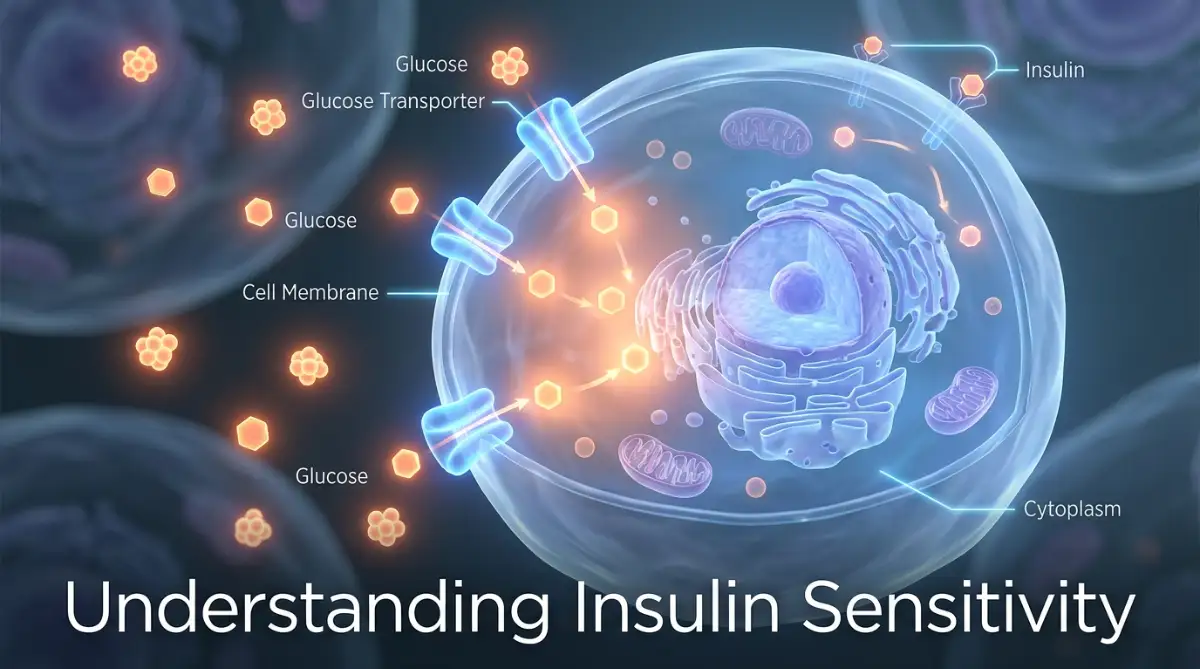
To understand blood sugar, we have to talk about insulin. Think of insulin as a key that opens the doors to your cells.
When you eat sugar or carbs, your body releases insulin to let that sugar into your cells for energy.
The problem is that many of us have "rusty locks." This is called insulin resistance. Because we eat so often, our cells get tired of the insulin.
They stop letting the sugar in. This causes sugar to stay in your blood, which is very bad for your health.
Fasting is like a "deep clean" for your locks. When you don't eat, your insulin levels drop to a very low point.
This allows your cells to rest and become sensitive again. The next time you eat, the "key" works perfectly.
This is how fasting helps manage blood sugar levels over the long term. It addresses the root cause of the problem instead of just covering it up.
I noticed that after a few weeks of fasting, my energy was much more stable. I didn't get those wild swings anymore.
Pro Tip: When I first started, I thought drinking "zero-calorie" soda during my fast was fine. I realized later that the sweet taste can still trigger an insulin response in some people. Now, I stick to plain water, black coffee, or green tea. It made a huge difference in how I felt and my results!
Myth 4: Fasting is Dangerous for People with Type 2 Diabetes
Let me be very clear: if you have a medical condition, you should always talk to your doctor first. This is very important.
However, many doctors are now using supervised fasting to help people with Type 2 diabetes.
Since Type 2 diabetes is essentially a disease of too much sugar and too much insulin, fasting makes sense.
It helps the body clear out the excess sugar and lowers the insulin levels. Some people find they need less medication after starting a fasting routine.
The myth that it’s "dangerous" often comes from the fear of low blood sugar (hypoglycemia).
While this is a risk if you are taking certain medications, the fasting itself isn't the problem. The problem is the medication dose being too high for a body that isn't eating sugar.
This is why medical supervision is so important. But the idea that fasting is "bad" for diabetics is being proven wrong by modern science.
It can be one of the most powerful tools in the box for fixing metabolic health. It’s about taking control of your body again.
The "Dawn Phenomenon": Why Your Sugar Might Be High in the Morning
This is something that confuses a lot of people who fast. They wake up, check their blood sugar, and it’s high!
They think, "I haven't eaten for 12 hours, why is my sugar up?" They assume fasting is failing them.
This is actually a natural process called the Dawn Phenomenon. Your body releases hormones like cortisol and growth hormone early in the morning.
These hormones tell your liver to release some sugar to give you energy to start the day. It’s your body’s natural alarm clock.
For a person with insulin resistance, this sugar might stay in the blood longer than it should.
If you see this, don't panic. It doesn't mean the fasting isn't working. In fact, it’s a sign that your body is doing exactly what it was designed to do.
Over time, as your insulin sensitivity improves, these morning numbers usually start to look better.
I remember being so frustrated by this. I thought I was "failing" at fasting. Once I learned it was just my body getting ready for the day, I relaxed.
How Stress and Sleep Affect Your Fasting Sugar Levels
We often only focus on what we eat, but our lifestyle plays a huge role too.
If you aren't sleeping well, your body produces more cortisol. As we just learned, cortisol tells your liver to dump sugar into your blood.
You could be doing a perfect 16-hour fast, but if you only slept 4 hours, your sugar might still be high.
Stress does the same thing. When you are stressed, your body thinks it needs to "fight or flee." It wants quick energy, so it spikes your sugar.
I’ve had days where my fasting sugar was high just because I had a stressful meeting. It had nothing to do with food.
This is why we need to look at the whole picture. Fasting is a great tool, but it works best when you also take care of your mind and rest.
Try to see fasting as part of a "self-care" routine. It’s not a punishment; it’s a way to give your body the break it deserves.
Common Mistakes That Can Mess with Your Blood Sugar Results
Even with the best intentions, it’s easy to make mistakes that lead to weird sugar readings.
One big mistake is "over-eating" during your window. If you break your fast with a massive pile of refined carbs, your sugar will skyrocket.
This creates a "roller coaster" effect. The goal is to keep things steady.
Another mistake is not drinking enough water. Dehydration can actually make your blood sugar look higher than it is.
When your blood is more concentrated due to lack of water, the sugar concentration goes up too. I always keep a big bottle of water with me now.
Also, don't forget about electrolytes like salt, magnesium, and potassium. When you fast, your body flushes out a lot of water and minerals.
If your electrolytes are low, you might feel dizzy or have a headache. Many people mistake this for low blood sugar.
I started adding a tiny pinch of high-quality sea salt to my water in the morning. It stopped the headaches almost instantly.
Is Fasting Right for Everyone?
While fasting is a natural human state, there are some people who should be careful.
Pregnant or breastfeeding women need extra nutrients and should usually avoid fasting.
People with a history of eating disorders should also be very cautious, as the "rules" of fasting can sometimes trigger old habits.
If you are very underweight, fasting might not be the best choice for you either.
But for the average person struggling with weight or energy levels, it can be a game-changer.
It’s about finding the "sweet spot" that works for your life. You don't have to do a 24-hour fast to see benefits.
Even a simple 12 or 14-hour break from eating can help your insulin levels reset.
I started with just 12 hours and slowly worked my way up. I listened to my body and didn't push too hard.
Finding Your Own Path to Metabolic Freedom
The most important thing I want you to take away is that you are in control.
Don't let the myths and the "horror stories" scare you away from trying something that could change your life.
Your body is designed to handle periods without food. It is a survival machine that knows how to keep you safe.
Start slow, be patient with yourself, and pay attention to how you feel, not just the numbers on a screen.
When you debunk these myths, you take the power back from the food companies and the confusing headlines.
You start to understand your own biology. And that is the most powerful health tip I can ever give you.
I hope my story and these facts help you feel more confident. You don't have to be a slave to your blood sugar anymore.
You can enjoy your life, have steady energy, and feel great in your own skin. It all starts with knowing the truth.
Mastering Your Body: Pro Strategies for Lasting Sugar Control
Once you get past the initial fear of fasting, you start to see how powerful this tool really is. But it isn't just about "not eating." To get the best results for your blood sugar, you need to understand how to handle your "eating window" too.
I learned the hard way that what you eat after a fast is just as important as the fast itself. If you break your fast with a big bowl of sugary cereal, you are undoing a lot of the good work. Your body is very sensitive after a long break, and a huge sugar spike can make you feel tired and grumpy.
One of the best secrets I’ve found is the "Fiber First" rule. When you sit down for your first meal, eat some greens or a small salad before anything else. The fiber creates a sort of "mesh" in your gut. This slows down the absorption of any carbs you eat later, keeping your glucose levels much flatter.
I also started paying more attention to my hydration levels. Many people don't realize that thirst can feel exactly like hunger. If you feel a "sugar crash" coming on while fasting, drink a large glass of water first. You might find that silent signs of dehydration were the real reason you felt weak or shaky.
Another pro tip is to incorporate light movement at the very end of your fast. I’m talking about a simple 10-minute walk. When you move while in a fasted state, your muscles "eat up" the remaining sugar in your blood. This makes your body even more sensitive to insulin when you finally do eat.
It’s also helpful to look at how your brain handles this change. I noticed that when I fast, my mental clarity stays high as long as I don't overdo the caffeine. Too much coffee on an empty stomach can raise your stress hormones, which might raise your sugar levels slightly.
If you want to keep your progress going for years, you have to be flexible. Don't be so strict that you can't enjoy a dinner with friends. If you have a big meal one night, just push your fast a little longer the next day. Your body loves consistency, but it also likes being challenged once in a while.
I’ve seen people completely change their health by just making these small tweaks. It’s not about being perfect every single day. It’s about building a lifestyle that supports your natural biology. According to research from The Mayo Clinic, this type of eating can have a major impact on heart health and inflammation.
Remember, your body is always trying to protect you. When you give it the right tools—like fiber, water, and light movement—it works much better. You will start to feel more "even" throughout the day. No more wild energy swings or desperate cravings for a chocolate bar at 3:00 PM.
I truly believe that anyone can master this with a bit of patience. I struggled for years before I realized it wasn't about willpower. It was about understanding the science and being kind to myself during the process.
The Traps That Can Hurt Your Journey
Even with the best intentions, it is very easy to fall into some common traps. These mistakes can make your blood sugar levels wonky and leave you feeling frustrated. One of the biggest blunders is "Dirty Fasting" without realizing it.
I used to think that a splash of cream in my coffee wouldn't matter. But for some people, even a tiny bit of calories can trigger an insulin response. This keeps you in "storage mode" instead of "burning mode." If you are fasting for blood sugar health, try to keep your fasting window strictly to water, black coffee, or plain tea.
Another big mistake is ignoring the quality of your sleep. I found that what actually happens to your brain when you skip sleep is that it craves sugar to stay awake. When you are tired, your body produces more ghrelin, the hunger hormone. This makes fasting feel like a torture session instead of a healing process.
I’ve also seen people try to go "too hard, too fast." They jump from eating all day to a 20-hour fast overnight. This shocks the system and can lead to a lot of stress. Stress increases cortisol, and cortisol increases blood sugar. It’s a vicious cycle that you want to avoid.
Break your fast gently. If you eat a massive, greasy meal after 16 hours of not eating, your stomach will hate you. This can mess with your digestion and your immunity. We know that your digestive system controls your natural immunity, so treat your gut with respect.
Don't use fasting as an excuse to eat "junk" during your window. I used to think I could eat whatever I wanted because I fasted for 18 hours. I was wrong. Fasting isn't a magic wand that disappears the damage of highly processed foods.
Focus on "Real Food" like eggs, meat, fish, nuts, and plenty of vegetables. These foods provide the nutrients your body needs to repair itself while you fast. If you fill your window with processed snacks, you will still feel hungry and tired.
Lastly, stop checking your blood sugar every five minutes if it makes you anxious. Anxiety is a huge driver of high glucose. If you see a number you don't like, take a deep breath and look at the bigger picture. One single reading doesn't define your entire health journey.
I’ve felt the pain of these mistakes myself. I’ve felt the dizziness from low salt and the frustration of a "stuck" scale. But once I stopped making these common errors, everything clicked into place.
The Path to a Healthier Future
You have learned that most of the fears around fasting and blood sugar are just myths. Your body is a powerful, self-regulating machine that knows how to keep you safe. By giving it a break from constant eating, you are allowing it to heal from the inside out.
The science is clear: fasting can help lower insulin, stabilize sugar, and give you back your energy. You don't need to be afraid of "crashing" as long as you listen to your body and stay hydrated. You are not fragile; you are resilient.
Start small and be consistent. Whether you choose a 12-hour window or an 18-hour window, the most important thing is how you feel. Don't let a bad day or a "cheat meal" stop you from moving forward. Every hour you spend in a fasted state is a win for your metabolic health.
I really want you to feel the same freedom I found. I no longer worry about where my next snack is coming from or if I'll have the energy to finish my day. I feel stronger and more focused than I ever did when I was eating six times a day.
Take that first step today, even if it's just skipping your late-night snack. You have the tools, the knowledge, and the power to change your health forever. I believe in you, and I know you can reach your goals.
Common Questions About Fasting and Sugar
Can I drink diet soda while fasting?
While diet soda has no calories, the artificial sweeteners can sometimes trigger an insulin response in certain people. If your goal is strictly blood sugar management, it’s safer to stick to water or black coffee. I found that I felt much less hungry when I cut out the "fake sweet" tastes during my fast.
Will fasting make me faint during a workout?
For most healthy people, your body will simply switch to burning stored fat for energy during a workout. If you feel lightheaded, it’s usually a sign that your electrolytes (like salt) are low, not your sugar. Try adding a tiny bit of salt to your water before your gym session.
How long does it take to see changes in blood sugar?
Many people notice their fasting blood sugar numbers improving within just a few weeks of consistent fasting. However, the deep cellular changes, like improving insulin sensitivity, can take a few months. Consistency is much more important than doing long, one-time fasts.
Is it okay to fast if I have a high-stress job?
Fasting can actually help you handle stress better by keeping your energy levels stable. However, if you are under extreme "fight-or-flight" stress, you might want to keep your fasting windows shorter. Listen to your body—if you feel completely burned out, a 12-hour fast might be better than a 20-hour one.
What is the best food to break a fast with?
A mix of healthy fats and protein is usually the best choice. Think of an avocado with eggs or a piece of chicken with some sautéed spinach. This prevents a massive glucose spike and keeps you feeling full for much longer.
Disclaimer: This article is for informational purposes only and does not constitute medical advice. Always consult with a qualified healthcare professional or your doctor before starting a new diet or fasting routine, especially if you have an underlying medical condition or are taking medication.
![Silent Signs of Dehydration You Are Ignoring During Your Daily Routine [Health Medical Tips]](https://studyguidenes.com/storage/uploads/blogs/1786375411_silent-signs-of-dehydration-you-are-ignoring-during-your-daily-routine-health-medical-tips.webp)