
The Hidden Weight of a Signature
I still remember the day my nephew asked me to co-sign his student loan. It felt like such a kind, simple way to help him reach his dream, and I didn't think twice before grabbing a pen. Looking back, I had no idea that my signature was creating a permanent shadow over my own financial future, one that would make buying my own home nearly impossible years later. When a family member asks you to co-sign a student loan, the request often feels like an act of love. You want to see them succeed in their education and build a bright future. However, saying "yes" goes far beyond a simple favor or a signature on a piece of paper. You are essentially telling the lender that if the student cannot pay, you will pay the entire balance yourself.
Many people overlook the long-term impact this decision has on their own financial stability. It is not just about helping out for a few months during a tough patch. This commitment can last for years or even decades, depending on the loan terms. If the primary borrower misses a payment, your credit score can drop immediately, damaging your own ability to get a mortgage or car loan.
Why Common Advice Often Leads to Trouble
Many families struggle because they rely on informal advice rather than understanding the legal contract. People often assume that the bank will notify them immediately if a payment is missed, but this is rarely the case. By the time you find out, your credit may already be severely damaged.
- Misunderstanding Liability: Many believe they are only "backing up" the loan, while legally they are just as responsible as the student.
- Assuming Good Intentions: It is easy to think the student will always be responsible, but life events like job loss can change everything.
- Ignoring the Total Debt: People focus on the monthly payment instead of the total balance they are now legally tethered to.
- Lack of Exit Strategy: Many signers have no plan for what happens if the relationship sours or the student stops communicating.
The Emotional and Financial Strain
The psychological burden of being a co-signer is rarely discussed until it is too late. You might feel a constant, underlying anxiety wondering if the next bill will be paid on time. This stress can lead to strained family relationships and a deep sense of resentment.
- Financial Anxiety: Your own savings and future goals may feel less secure because this debt sits on your credit report.
- Loss of Autonomy: You are now tied to the financial health of another person, which can limit your own borrowing power for years.
- Relationship Tension: If payment issues arise, the family dynamic often shifts from support to conflict and blame.
- Credit Impact: One missed payment by the student can haunt your credit file for seven years, affecting your own financial opportunities.
Understanding these realities is the first step toward making a smart decision. It is not about refusing to help, but about helping in a way that keeps you safe.

Step 1: Understand Your Legal Standing as a Co-signer
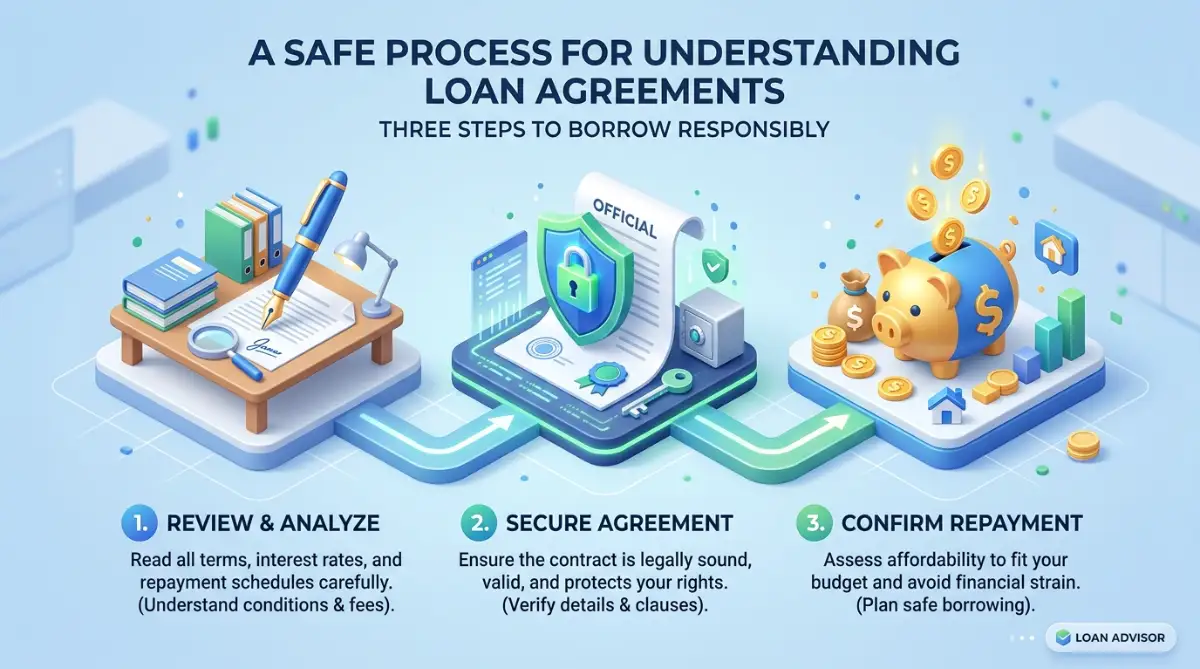
Before you sign anything, you must read the fine print. When you become a co-signer, you are a legal borrower, not just a reference. If the student defaults, the lender will come after you for the full amount.
This means the debt appears on your credit report as if it were your own. Even if the student pays perfectly, that large debt balance can make it harder for you to get a loan for a home or a business. You must be comfortable with the idea that this debt is yours until it is fully paid off.
Ask the lender for a copy of the loan agreement before you attend the meeting. Look for clauses that explain when the lender can demand payment from you. Many people skip this part and sign because they trust the student, but contracts ignore trust. Always protect your financial future by knowing exactly when you become liable for the balance.
Step 2: Set Clear Expectations and Communication Rules
If you decide to move forward, you need a formal "financial conversation" with the student. Do not leave the repayment plan to chance or hope. You should require access to the online loan portal so you can monitor the account status yourself.
Set a ground rule that you will log in at least once a month to verify that a payment was made. If the student misses a payment, you should have a plan for how to handle it immediately. This is not about being overbearing; it is about protecting your financial reputation.
You might also discuss what happens if the student faces a genuine crisis, such as a layoff or medical emergency. Having a plan for these "what if" scenarios reduces the panic that happens when money is tight. Communication is your best defense against a ruined credit score.
If I could go back in time, I would never have just handed over my signature and hoped for the best. My biggest mistake was assuming the bank would keep me in the loop, so my pro tip is to demand access to the loan portal from day one. Treating this as a business arrangement rather than just a family favor is the only way to keep your credit score from taking a hit you didn't see coming.
Step 3: Explore Alternatives Before Signing
Watch this guide to learn the smarter ways to fund an education without putting your own credit score on the line. Once you finish this video, keep reading below to discover how to protect yourself if you decide that signing is the only path forward.
Co-signing is rarely the only way for a student to fund their education. Before you put your credit at risk, sit down with the student and review all other options. Often, people jump to private loans because they are fast, but they ignore cheaper alternatives.
Encourage the student to look for grants, scholarships, or work-study programs that do not require a co-signer. These options do not need to be paid back and save the student from starting their career with a mountain of debt. If a loan is necessary, look for federal loans first.
Federal loans usually offer more protections and flexible repayment plans than private bank loans. Sometimes, the student might not qualify for enough federal aid, and that is where the pressure to co-sign starts. If you must use a private lender, look for ones that offer co-signer release options. This allows your name to be removed from the loan after the student makes a specific number of on-time payments.
Building a Long-term Financial Safety Net
Your goal should be to help the student become financially independent as quickly as possible. If you do choose to co-sign, treat it as a temporary bridge, not a permanent arrangement. Encourage the student to build their own credit score early so they can refinance the loan into their own name later.
Remember, your financial health is the foundation upon which you can help others. If you sacrifice your own credit, you lose the ability to help anyone in the future. Be the mentor who provides guidance, not just the person who signs the debt.
Monitoring Your Own Financial Health
Even after you sign, keep an eye on your credit reports. Use free services to monitor your score and watch for any alerts regarding the loan account. If you see a missed payment, act immediately.
Contact the lender and the student as soon as you see an issue. Ignoring the problem will only make the legal consequences worse for you. By staying proactive, you can manage the risk and keep your family relationship healthy.
You have the power to say "no" if the terms are too risky. There is no shame in protecting your hard-earned financial stability. Educate yourself, set boundaries, and choose the path that keeps you and your family secure for the long run.
Step 4: Protecting Yourself with Co-signer Release Clauses
Many people sign loan documents without asking about a "co-signer release." This is a major mistake that keeps you trapped in the debt long after the student has graduated and found a job. You should look for lenders who offer a clear path to remove your name.
Usually, this requires the student to make a set number of on-time payments, like twenty-four or thirty-six months. They must also meet specific credit score requirements and income levels at that time. If the lender does not offer this, consider looking for a different bank.
Think of this as an escape hatch for your financial responsibility. Before you sign, ask the lender to print out the exact policy for co-signer release. Keep this document in a safe place along with your tax records. Never rely on verbal promises from a bank employee regarding future releases.
Step 5: Understanding Death and Disability Protections
One of the most difficult topics to discuss is what happens if the student passes away or becomes disabled. Most federal loans have built-in discharge programs that cancel the debt in these tragic situations. However, private loans often do not.
If the lender does not offer death or disability discharge, the loan balance could fall entirely on your shoulders. Some people choose to buy term life insurance for the student to cover the loan amount. This ensures that if the worst happens, the debt is paid off without hurting your financial health.
This might seem like a dark or pessimistic step to take. In reality, it is a responsible way to manage risk. You are not hoping for something bad to happen; you are simply making sure you are not left with a crushing financial burden during an already difficult time.
Strategic Maintenance of Your Credit Health
Even if everything goes well, the loan will stay on your credit report for years. You need to manage your personal finances carefully during this period. Avoid taking on new, massive debts while you are still a co-signer.
If you apply for a large mortgage while this loan is on your report, your debt-to-income ratio will look higher. Lenders see the student loan as your personal liability, which can lead to higher interest rates for you. You must stay organized and keep track of the remaining balance at least once every six months.
If the student begins to struggle, talk to the lender about forbearance options. Sometimes, you can pause payments for a short time to keep the loan from defaulting. Communication prevents default, which is the single biggest threat to your credit score.
Mistakes That Can Ruin Your Credit Score
Many well-meaning family members end up in financial trouble because they avoid the hard truths. Avoiding these common traps is just as important as signing the right paperwork.
- Trusting Without Monitoring: Never assume "everything is fine" just because you do not get a call from the bank. Check the account portal yourself every single month.
- Ignoring Address Changes: If the student moves and stops receiving statements, the debt could go to collections without you knowing. Ensure the lender has your correct contact information at all times.
- Assuming Partial Responsibility: Some people think they are only signing for half the loan, but that is rarely how it works. You are usually signing for 100% of the debt, no matter what you think the agreement says.
- Failing to Budget for the Worst: If you cannot afford to make the full monthly payment on your own, you should not be co-signing. Only sign if you are ready to treat this as your own debt.
- Staying Silent About Problems: If the student misses a payment, you might feel embarrassed and stay quiet. This silence allows late fees and interest to pile up, making the situation much worse.
Building a Path Toward Financial Independence
The best ending to this story is when the student takes over the loan completely. You should have regular check-ins to see how their career and credit building are going. Encourage them to see their own credit score as a valuable asset that will help them gain freedom.
When they reach a point where they can refinance the loan on their own, celebrate that moment. It marks the end of your financial risk and the beginning of their true independence. You have acted as a guide, not a permanent crutch.
Focus on your own goals, like your retirement or your family's emergency fund. By keeping your finances separate and strong, you remain in a position to help others without losing your own stability. You are a partner in their success, not just a safeguard for the bank.
Moving Forward With Confidence
Even though I learned these lessons the hard way, I am so glad I finally took control of my financial path. You have the power to support your family without putting your own security at risk, so start asking the hard questions today. Taking these small steps right now will give you the peace of mind you truly deserve.
Deciding to help a family member with their education is a noble goal. It is a choice that shows you care about their long-term growth and potential. If you follow the steps we have discussed, you can offer this help while keeping your own financial house in order.
Always read every page of the contract, verify the release policies, and keep the lines of communication open. If the risks feel too high, it is perfectly okay to say no. True support is about empowering the student to handle their own future rather than bearing the weight of their debt.
Take a breath, look at your own budget, and make the choice that feels right for your life. You have the knowledge now to make an informed, smart, and safe decision. Start by gathering all the facts today, and take control of your financial destiny.