
The Reality of Managing Money Without a Paycheck
How to Manage Money During Job Transitions
-
Audit Your Assets: Separate "needs to survive" from "wants to have" immediately.
-
The Runway Rule: Know exactly how many days your current cash will last so you can pace your spending.
-
Cut the Noise: Cancel all non-essential subscriptions; you can restart them once you're hired.
-
Stay Active: Use small side-gigs to keep your routine sharp and your bank account balanced.
Being out of a job feels like you’re trying to keep a boat afloat with a hole in the bottom. I’ve been there, staring at a bank balance that only moves in one direction—down. But here is the good news: you don't need a finance degree to take control of your situation today. Let’s map out a real-world plan to keep your head above water until that next paycheck hits.
Many people struggle to find a way forward because they rely on outdated financial advice. They often look for quick fixes that do not exist or fall for generic tips that ignore their specific situation. This leads to more confusion and can cause people to make desperate decisions. Here are a few reasons why finding the right path is often difficult:
- Information overload from unreliable sources leads to conflicting strategies.
- Fear-based marketing pushes people toward high-interest loans instead of smart saving.
- Lack of structure makes it hard to distinguish between necessary spending and luxury.
- Misunderstanding basic math leads to poor tracking of monthly outgoings.
- Reduced focus makes it difficult to prepare for interviews or network effectively.
- Sleep disruption occurs when your mind is racing with "what-if" scenarios at night.
- Social withdrawal happens because you feel embarrassed about your limited budget.
- Loss of optimism makes it harder to see the end of this temporary phase.
Taking control of your finances is the first step toward regaining your peace of mind. When you have a clear plan, the anxiety of the unknown starts to fade away. You stop guessing what you can afford and start making data-driven decisions. This is not about deprivation or living a life of misery. Instead, it is about stretching your resources to cover what matters most until your next paycheck arrives. By organizing your life, you are protecting your future self. You are also building a habit of discipline that will serve you well long after you land your next job.

Step 1: The Zero-Based Assessment of Your Resources
The "Essentials-Only" Test
Ask yourself: "If I didn't spend this today, would my basic survival be threatened?"
-
Yes: Rent, Electricity, Internet (for job hunting), Groceries.
-
No: Streaming services, dining out, premium apps.
If it’s a "No," pause that subscription immediately. You can always sign up again once you're back on the payroll.
The very first move is to identify exactly what you have on hand today. You cannot manage what you do not measure, and transparency is your best tool. Sit down with your bank statements, savings accounts, and any cash you have. List every single dollar currently available to you. Do not guess the amounts; look at your official balances.
Once you have your total, create a clear distinction between accessible cash and long-term assets. You need to know what you can spend today and what should remain untouched. Accessibility is the key when your income is paused. If your money is tied up in accounts that charge fees for early withdrawal, avoid touching those. Focus only on the liquid cash that is ready for immediate use.
Think of this as a supply check before a long journey. You are simply taking stock of your provisions to see how far they will take you. Write everything down in a notebook or a simple digital spreadsheet. Seeing the numbers in front of you reduces the mystery and the fear attached to them. You are now the captain of your financial ship, regardless of the current conditions.
Step 2: Ruthless Prioritization of Your Essential Costs
Now that you know your total, you must define what truly counts as an essential cost. Most of us have "lifestyle inflation" built into our daily habits without realizing it. During this time, you need to strip away everything that is not required for survival. Needs are non-negotiable, while wants are luxuries that can wait.
Start by listing your housing, utilities, food, and basic transport costs. These are your baseline numbers that must be covered every single month. Cut out all subscriptions, dining out, and impulse purchases immediately. This is not a permanent state, but it is a necessary adjustment for your current situation. Ask yourself if you can survive a month without a specific service or item.
If the answer is even slightly ambiguous, it should be the first thing to cut. Be honest with yourself about what is required to maintain your living situation. Sometimes, this means calling your utility providers to ask for payment plans or deferrals. Do not be afraid to reach out and explain your status; many companies have internal programs for people in your position. Proactive communication saves you from late fees and added stress later on.
Step 3: Mapping Your Runway and Daily Spending Limit
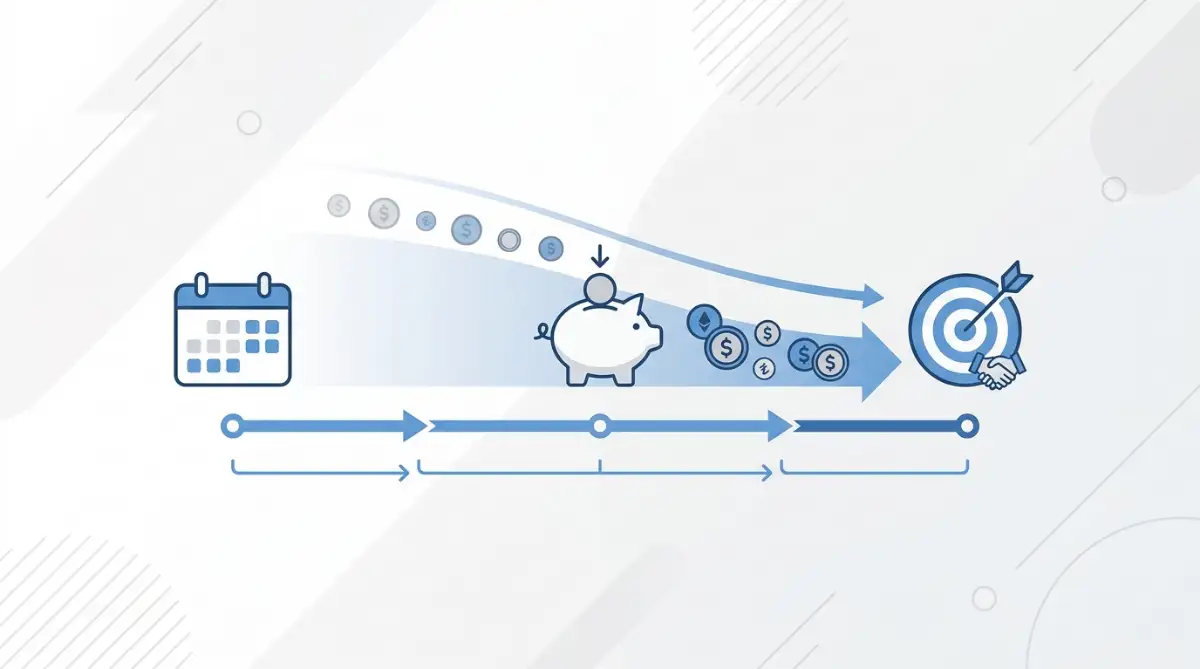
The final step is to calculate your "runway," which is how long your current funds will last. Divide your total available cash by your new, reduced monthly expenses. The result is the number of months you can sustain yourself. This calculation provides clarity and helps you plan your job search pace. If the number is low, your focus shifts to finding any source of income to extend that runway.
Once you know your monthly limit, break it down into a daily spending goal. If you have a specific amount for food, divide that by thirty days. Stick to this daily cap as if it were a strict rule. Using a cash-only system for groceries or daily items can help keep you accountable. When the envelope is empty, the spending stops for that specific category.
Using this method prevents you from overspending early in the month. It forces you to stay mindful of every purchase you make. Small, consistent actions build the discipline required to navigate this phase successfully. You are building a system that keeps you safe and ensures your essential needs are met. This structure will give you the confidence to focus on your next professional opportunity.
Step 4: Optimizing Your Monthly Cash Flow Strategy

Once you have your daily limit, you need a smart plan to keep your cash flowing in the right direction. Many people find success by using a "Cash Envelope" system for their flexible spending. When you have a set amount for groceries, put that exact cash in an envelope. Once the envelope is empty, you stop spending in that category until the next month starts.
This method removes the temptation to overspend using credit cards. It provides a tangible connection to your money that digital banking often lacks. You can visually see how much you have left for the week. If you need to trim expenses further, look at your recurring service bills. Call your internet or phone providers and ask for a temporary discount or a lower-cost plan.
Most companies have retention departments that can offer deals to keep you as a client. Do not be shy about asking for help during a rough patch. Another secret is to batch your errands to save on transportation costs. Planning one big trip for groceries and supplies is much cheaper than making multiple small, unplanned ones. Every dollar saved on gas or fare is a dollar that stays in your pocket.
Step 5: Diversifying Small Income Streams
Unemployed Income
While you focus on your primary job search, look for ways to bring in small amounts of money. You do not need a full-time role to improve your cash position. Look around your home for items you no longer use or need. Selling electronics, old furniture, or clothes can provide a quick cash infusion. Use local online marketplaces to find buyers nearby and avoid shipping costs.
Consider taking on gig-based tasks that match your existing skills. Even if the pay is small, it keeps you active and reduces the reliance on your emergency savings. Think about freelance writing, data entry, or local consulting projects. These tasks often provide immediate payments that can cover your utility bills or groceries. Staying productive also boosts your morale during long job searches.
You should view these small earnings as a bridge to your next career chapter. They are not meant to replace your long-term income goals. Instead, they act as a safety net to keep your primary savings account stable. By working on these small projects, you keep your skills sharp and your routine structured. This mindset helps you stay in a professional rhythm even when you are between formal roles.
Building Lasting Financial Resilience
To keep your finances in order, you must maintain a consistent review schedule. Set a date every week to look at your bank accounts and track your progress. Consistency is the engine that keeps your budget moving forward. If you fall behind for a few days, do not quit; simply get back on track the next day.
Treat your personal budget with the same respect you would treat a business account. Keep a simple log of your income and your outgoings in a notebook. This helps you identify trends in your spending that you might otherwise miss. If you notice you are spending more on food than you planned, adjust your limits for the following week. Adjustability is a strength in your financial planning process.
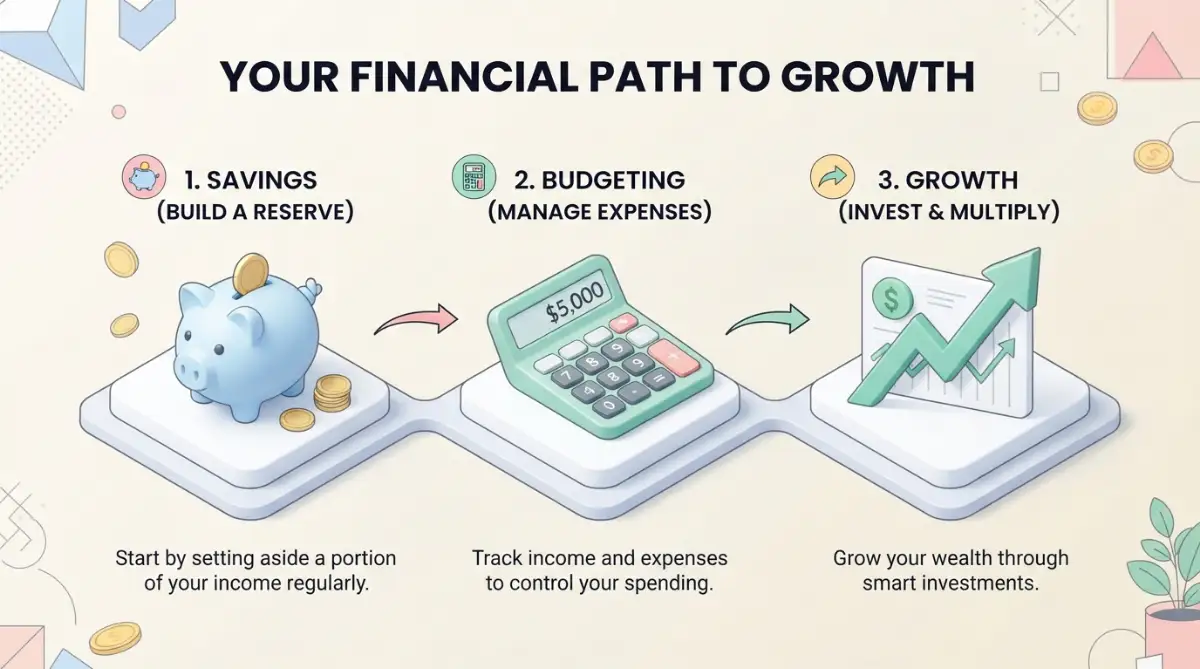
Focus on building a long-term habit of intentional spending. When you finally secure your next job, do not rush to revert to your old spending habits. Keep your expenses low for a few months to rebuild your savings cushion. This approach creates true financial independence and prepares you for any future unexpected shifts. You are building a skill set that will protect your future and provide you with lasting peace.
Mistakes That Can Derail Your Budget
Avoiding traps is just as important as setting up your plan. Many people fall into patterns that make their situation worse without even realizing it. Here are the most common pitfalls to watch out for while managing your finances:
- Relying on Credit: Using credit cards to cover basic needs creates high-interest debt. This traps you in a cycle of paying for the past instead of saving for the future.
- Ignoring Small Expenses: You might think a small daily coffee does not matter. However, these tiny costs add up to significant amounts that could have covered a utility bill.
- Waiting to Cut Costs: Many people delay making hard choices until their savings are almost gone. Acting early gives you more options and keeps your stress levels much lower.
- Lack of Communication: If you share expenses with a partner or family, not talking about your budget creates friction. Everyone needs to be on the same page to make the plan work.
- Giving Up Too Soon: Budgeting can feel hard at first. If you miss a target one day, it does not mean your plan has failed; it just means you need to recalibrate.
Ignoring these risks can lead to long-term financial headaches. Debt can accumulate much faster than you anticipate, especially when you are not working. By staying aware of these habits, you maintain control over your path. You are not just saving money; you are protecting your future stability.
Taking Charge of Your Financial Future
Focus on what you can control right now. You can manage your spending, look for small ways to earn, and stay organized. Every positive decision you make reinforces your ability to succeed. Believe in your capability to overcome this temporary hurdle. Your future self will thank you for the discipline you show today. Keep moving forward, stay patient, and trust the process.