The Hidden Cost of a Poor Sleep Environment
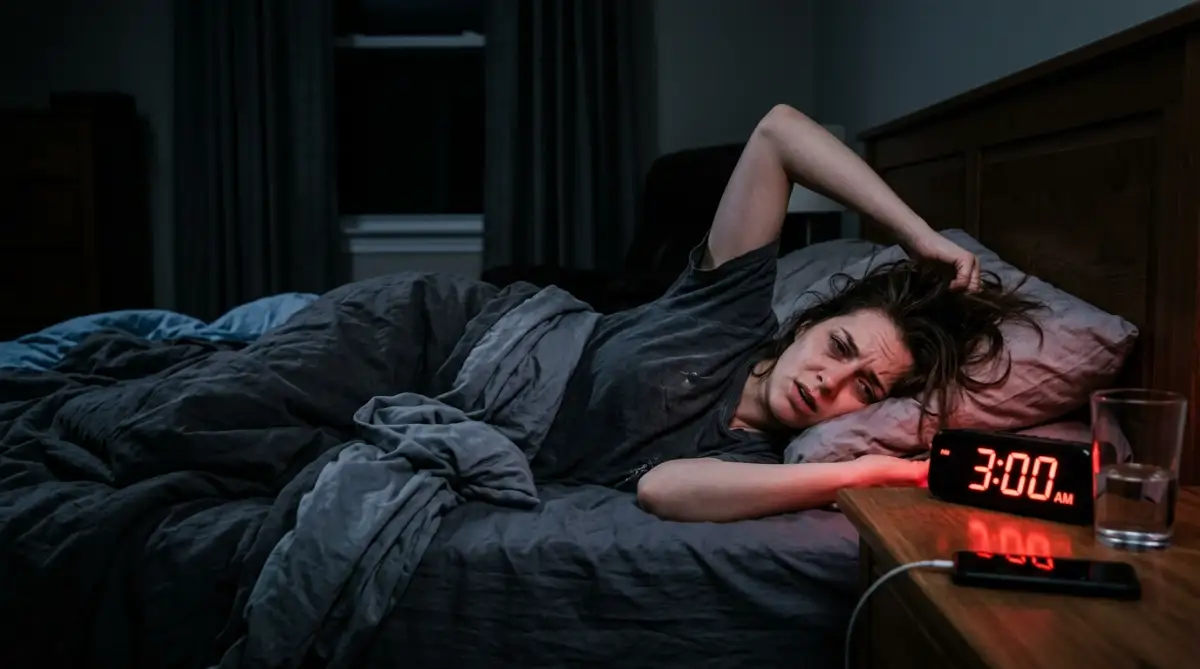
For the longest time, I used to drag myself out of bed feeling like I had just run a marathon in my sleep, even after clocking a full eight hours. I remember staring at my ceiling at 3 AM, completely frustrated and wondering why my body refused to recharge. It wasn't until I stopped blaming my willpower and actually looked at my noisy, glowing bedroom that everything finally started to click. Imagine waking up to the sound of your morning alarm, but your entire body feels like it is made of lead. You have supposedly been in bed for eight hours, yet you feel like you have not rested at all.
Your eyes are burning, your brain is foggy, and dragging yourself out from under the covers feels like a massive physical challenge. This daily morning exhaustion is a silent epidemic. Most people just accept this heavy, tired feeling as a normal part of adult life. However, living in a constant state of sleep deprivation silently destroys your health, your mood, and your daily productivity. People try desperately to fix this problem, but they almost always focus on the wrong things. Because of widespread misinformation, they end up trapped in a cycle of bad habits that ruin their rest. Here is why most people fail to get good rest and accidentally make their insomnia worse:
- Relying on chemical fixes: Many people swallow over-the-counter sleeping pills every night instead of fixing the bright streetlamp shining through their window.
- Buying expensive mattresses blindly: You can buy a luxury bed, but if your room is too hot, your body will never enter a deep sleep cycle.
- Treating the bedroom like an office: Bringing laptops and stressful work documents into bed teaches your brain to associate the mattress with anxiety.
- Ignoring hidden blue light: People turn off the main lights but leave the television running, completely disrupting their natural sleep hormones.
This daily struggle does not just make you feel sleepy during the afternoon. It deeply affects your mental well-being, your relationships, and your overall self-confidence.
- It creates intense emotional instability: When you lack deep sleep, your brain cannot regulate emotions. You end up snapping at your spouse or children over minor inconveniences.
- It destroys your workplace confidence: A foggy brain leads to simple mistakes at your job. This makes you doubt your own professional abilities and increases your stress.
- It triggers sleep anxiety: After days of tossing and turning, you actually start to fear your own bed. You dread nighttime because you know you will just lie there awake.
- It blocks physical recovery: Without deep rest, your muscles cannot repair themselves. You feel constantly sore, weak, and unmotivated to exercise.
The truth is, your brain is heavily influenced by its physical surroundings. If your bedroom is loud, bright, or warm, your nervous system remains on high alert. Your body thinks it is in danger, so it refuses to let you fall into a vulnerable, deep sleep. To fix your sleep, we must first fix your environment. You need to turn your bedroom into a dedicated sleep sanctuary. Once you make these physical changes to your room, your body will naturally respond with the deep rest you crave.
The Science of Rest: 3 Steps to Build Your Sleep Sanctuary
Blaming yourself for poor sleep will not help you wake up feeling refreshed. Instead, we need to look at basic human biology and how our ancestors used to sleep. For thousands of years, humans slept in cool, pitch-black, and quiet environments. Our modern bedrooms are completely unnatural compared to what our DNA expects. Let us break down the exact biological reasons why your current room setup is keeping you awake. More importantly, I will show you exactly how to fix it tonight using simple, science-backed steps.
Step 1: Dial In the Perfect Temperature (The Cool Cave Method)
The absolute biggest mistake people make is keeping their bedroom entirely too warm. When it is time to go to sleep, your body must naturally drop its core temperature.This internal temperature drop is a massive biological signal to your brain that it is time to rest. If your room is too hot, your core temperature stays high, and your brain thinks it is still the middle of the day. Think of a bear going into hibernation for the winter. The bear seeks out a cool, dark cave because the cold environment naturally slows down its metabolism. Honestly, learning about the 'Cool Cave Method' was a total game-changer for me because I used to sleep with my room wrapped up like a sauna. The moment I dropped my thermostat and ditched those heavy synthetic sheets, my midnight tossing and turning stopped almost instantly.
The Biological Reaction:
When your skin senses a cool environment, your blood vessels slightly dilate to release internal heat. This process heavily promotes the release of melatonin, your primary sleep hormone. If you are trapped under heavy blankets in a heated room, you will experience a restless state known as fragmented sleep. You will constantly wake up in a mild sweat, turning over to find the "cool side" of the pillow. This constant tossing and turning completely prevents you from entering the REM (Rapid Eye Movement) stage of sleep. Without REM sleep, your brain cannot process memories or recover from daily stress.
The Practical Solution:
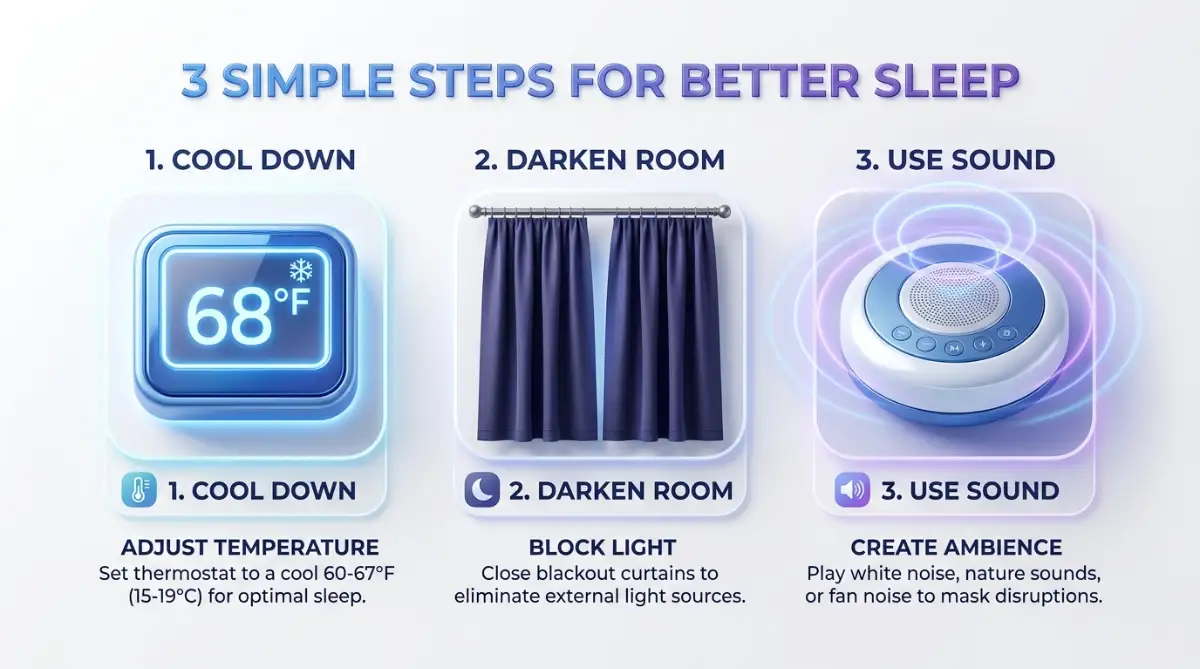
According to sleep experts, the ideal bedroom temperature is between 60 and 67 degrees Fahrenheit (15 to 19 degrees Celsius). This might sound surprisingly cold, but it is exactly what your body wants. About an hour before bed, actively turn down your thermostat. If you do not have air conditioning, open a window or use a high-quality standing fan to circulate the air. You should also look closely at your bedding materials. Throw away synthetic, heat-trapping polyester sheets immediately.
A Real-Life Scenario:
Imagine you are staying in a luxury hotel room. One of the reasons you sleep so well in hotels is because their air conditioning is incredibly powerful. You can recreate this feeling at home by layering your bedding correctly. Use a lightweight, breathable cotton or bamboo sheet against your skin. If you get cold feet, put on a pair of soft socks rather than adding a heavy wool blanket to your entire body. Keeping your extremities warm while your core stays cool is a proven trick for falling asleep incredibly fast. If you want an advanced hack, take a hot shower right before bed. When you step out of the hot water into a cool bedroom, your body temperature drops rapidly, instantly making you feel sleepy.
Step 2: Eliminate Artificial Light (The Pitch-Black Protocol)
If your room is perfectly cool but you still cannot sleep, we need to examine your lighting. Light is the single most powerful factor that controls your internal biological clock. Behind your eyes, you have a tiny part of the brain called the pineal gland. This gland is directly responsible for pumping melatonin into your bloodstream. However, the pineal gland only does its job when it detects absolute darkness. If your eyes detect even a tiny sliver of light, your brain immediately halts the melatonin production. Want to see how hidden bedroom lights and blue glow are secretly sabotaging your sleep hormones? Watch this quick breakdown to find out what you're missing, then keep reading below to fix it tonight.
The Biological Reaction:
Our ancestors only had the sun and the moon to guide their sleep schedules. Today, we are surrounded by artificial streetlights, glowing electronics, and incredibly bright screens. When you stare at your smartphone in bed, the screen emits a very specific frequency of blue light. This blue light perfectly mimics the bright morning sun. Your brain gets confused. It thinks the sun is coming up, so it releases cortisol, a stress hormone designed to wake you up. Even after you turn off the phone, that cortisol remains in your bloodstream, making your heart race while you stare at the ceiling.
The Practical Solution:
You must transform your bedroom into a pitch-black cave. You should not be able to clearly see your own hand in front of your face when the lights go out. Start by installing heavy, high-quality blackout curtains on every single window. If a streetlamp shines near your window, regular blinds will not be enough to stop the light pollution. Next, go on a "light hunt" around your bedroom. Look for any tiny glowing LEDs on your television, your Wi-Fi router, or your air conditioner.
A Real-Life Scenario:
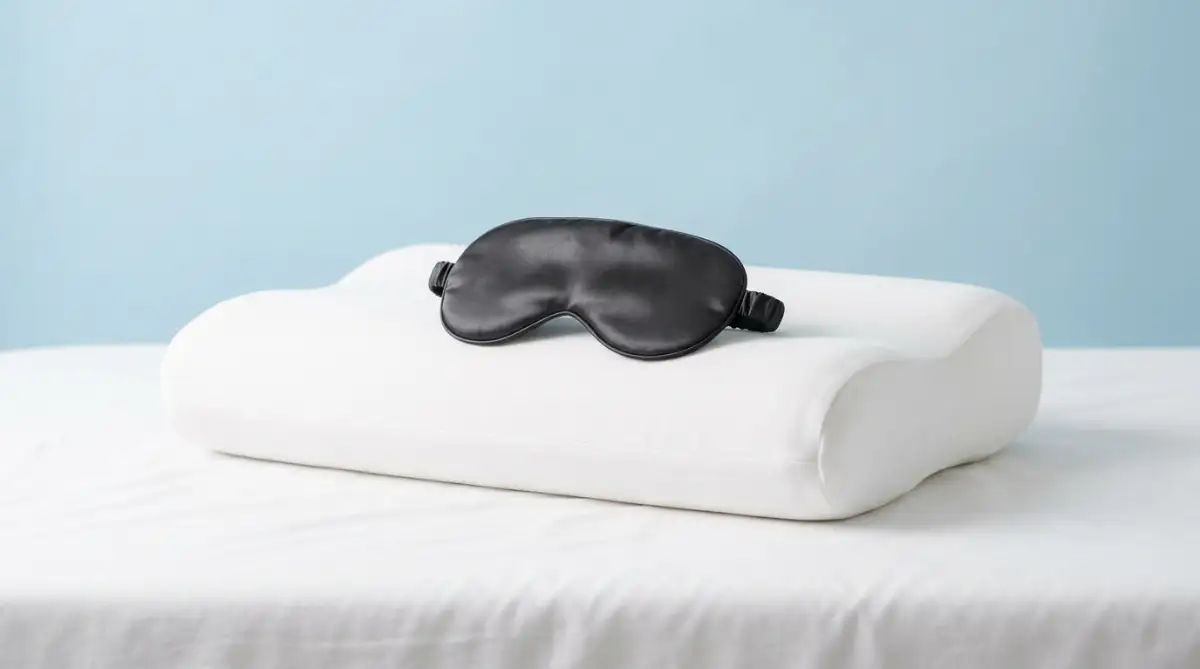
Let us say you have an air purifier in your bedroom that has a bright green power light. That tiny green light can bounce off your walls and easily penetrate your closed eyelids. Take a small piece of black electrical tape and cover that light completely. Turn your digital alarm clock around so the glowing numbers face the wall, not your eyes. If you share a room with someone who stays up late, or if you cannot block the window light, invest in a premium silk sleep mask. A good eye mask creates a personal pitch-black environment, practically guaranteeing a massive boost in your melatonin levels.
Step 3: Control Your Auditory Environment (The Sound Masking Strategy)
You have fixed the temperature and blocked out the light. Now, we must address the invisible enemy of deep sleep: random noises. Many people believe that their brain turns completely off when they go to sleep. This is a massive misconception. Your ears remain highly active all night long. Your brain is constantly scanning the environment for potential threats, just like a loyal guard dog that never sleeps.
The Biological Reaction:
When you are falling asleep, sudden, sharp noises trigger a miniature fight-or-flight response. This could be a dog barking down the street, a car door slamming, or the house pipes creaking. Even if these noises do not fully wake you up, they pull you out of deep sleep and into a lighter, less restorative sleep stage. This is called an arousal response. If your brain experiences twenty arousal responses throughout the night, you will wake up feeling completely exhausted, even if you never opened your eyes.
The Practical Solution:
You cannot always control the noisy world outside your bedroom. Therefore, you must master the art of sound masking. Sound masking does not mean making the room perfectly silent. Instead, it means introducing a steady, continuous background noise that covers up sudden, sharp sounds. Many people use basic fans for this, but a dedicated sound machine is much more effective. You want to play something called pink noise or brown noise, rather than white noise.
A Real-Life Scenario:
Imagine you live in an apartment building with very thin walls. You can constantly hear your upstairs neighbor walking around late at night. If you play regular white noise, it often sounds too sharp and static, like an old television with no signal. This can actually irritate your ears. Instead, switch your sound machine to pink noise. Pink noise mimics the deep, soothing sounds of nature, like a heavy rainstorm or the low hum of an airplane cabin.
Place the sound machine between your bed and the source of the noise (like the window or the door). This steady wall of sound acts like an acoustic blanket for your brain. It absorbs all the random neighborhood noises, allowing your nervous system to finally relax. You can also add heavy rugs or thick curtains to your room, as soft materials naturally absorb echoing sounds and create a much quieter atmosphere.
Master Your Sleep Environment: Advanced Hacks for Unbroken Rest
We have covered the basics of temperature, light, and sound. Now, we need to look at the advanced layers of your bedroom environment. If you want to experience truly unbroken, deep rest every single night, you must manage the invisible elements of your room. Small environmental triggers can completely ruin your sleep architecture without you even noticing. Let us explore two expert-level strategies that high performers use to optimize their bedrooms. These methods require a little bit of effort upfront, but the long-term payoff for your daily energy is massive.
Purify Your Breathing Zone (The Oxygen Advantage)
Most people completely ignore the air quality inside their bedrooms. However, you are locked in that single room for eight hours every single night. During the night, you are constantly exhaling carbon dioxide. If your bedroom door and windows are tightly closed, carbon dioxide builds up rapidly in the air. When CO2 levels get too high, your brain actually panics slightly. Your body senses that it is not getting enough fresh oxygen, which forces you out of deep sleep.
The Biological Reaction:
High carbon dioxide levels cause your heart rate to increase while you sleep. This keeps your nervous system in a mild state of stress. You will often wake up feeling slightly dizzy, with a dull morning headache. Your nose might feel completely stuffed, even if you are not sick. This poor air circulation prevents your brain from doing its nightly cleaning process. It simply cannot flush out the mental waste products without a steady supply of fresh oxygen.
The Practical Solution:
You must create active airflow in your sleep sanctuary. The easiest fix is to leave your bedroom door cracked open just a few inches. This simple act allows stale air to escape into the hallway. If you prefer sleeping with the door closed for privacy, you must invest in a high-quality HEPA air purifier. Place the air purifier directly next to your bed. It will actively scrub the air, removing dust, allergens, and excess CO2 from your immediate breathing zone.
A Real-Life Scenario:
Think about how amazing you feel when you take a walk through a thick forest or stand near a breezy ocean. Your lungs easily expand, and your brain feels instantly clear. You want to recreate that crisp, fresh air feeling inside your bedroom. An air purifier acts like a mechanical lung for your room. It also adds a gentle layer of pink noise, which we already know helps mask outside sounds. Breathing clean, purified air allows your heart rate to drop significantly, pulling you into the deepest stages of rest.
Build a Mental Boundary (The Psychological Sanctuary Rule)
Your brain is an incredibly powerful association machine. It constantly links specific physical locations to specific emotional states. Think about your kitchen. Just standing in front of your refrigerator naturally makes you feel slightly hungry. We must train your brain to associate your mattress with nothing but pure relaxation. Sadly, modern living habits have completely destroyed this natural mental boundary.
The Biological Reaction:
When you bring your laptop into bed to answer a few late-night work emails, your brain gets deeply confused. It starts linking your bed with workplace stress. Your body releases adrenaline to help you deal with the stressful emails. Now, the mattress becomes a trigger for anxiety, not rest. When you finally close the laptop and try to sleep, your brain stays on high alert. It expects another stressful task to happen, so it refuses to shut down.
The Practical Solution:
You must become ruthlessly strict about what activities are allowed in your bedroom. Your bed is only for sleeping and intimacy. Nothing else. Remove the television from your bedroom walls completely. Do not eat snacks in bed, and absolutely never bring your work materials under the covers. If you live in a small apartment and your desk must be in your bedroom, use a physical divider. Buy a cheap folding screen to hide the workspace from your view when you lie down.
A Real-Life Scenario:
Imagine coming home after a terrible, highly stressful day at the office. You feel tense, angry, and exhausted. You walk into your bedroom, and it feels like stepping into a completely different world. It is cool, perfectly dark, and smells like fresh air. Because you never work in this room, your brain instantly drops its defenses. It recognizes the environment and automatically triggers your natural relaxation response. Your muscles physically soften, and your breathing slows down. By protecting the psychological boundary of your bedroom, you teach your body to fall asleep the second your head hits the pillow.
How to Maintain Your Results Long-Term
Building a perfect sleep environment is not a one-time project. You must maintain this space to ensure your biology stays perfectly aligned. Make it a strict habit to wash all your bedding in hot water once a week. Dead skin cells and microscopic dust mites build up quickly, causing silent allergies that disrupt your breathing. You must also adjust your room setup as the seasons change. What works perfectly in the cold winter might make you sweat uncontrollably in the summer. Listen to your body very closely. If you wake up feeling tired for three days in a row, act like a detective. Check your environment immediately. Did a streetlamp outside change? Is your air filter clogged? Fixing these small environmental details will protect your sleep quality for years to come.
The 5 Silent Bedroom Traps Keeping You Awake at Night
Even if you follow all the right advice, you might still struggle because of hidden bad habits. We often do things that feel relaxing in the moment, but they actually destroy our sleep architecture. If you ignore these common pitfalls, your expensive mattress and fancy blackout curtains will completely fail you. Let us look at the five biggest mistakes people make when setting up their nighttime routine.
1. Inviting Pets into the Bed
We all love our furry friends, and snuggling with a dog or cat feels incredibly comforting. However, sleeping with pets is terrible for your sleep continuity. Animals have completely different sleep cycles than humans. They wake up, scratch, stretch, and move around multiple times throughout the night. Every single time your dog shifts its weight on the mattress, it creates a micro-awakening in your brain. You might not remember waking up, but these tiny interruptions completely block you from entering deep REM rest.
2. The "Nightcap" Alcohol Illusion
Many people drink a glass of wine right before bed because it helps them feel drowsy. Alcohol is a heavy central nervous system depressant. While it does force you to fall asleep faster, it completely ruins the second half of your night. As your liver processes the alcohol, your body experiences a major chemical rebound. This rebound spikes your core temperature and causes severe sweating. It completely fragments your sleep, leaving you feeling exhausted, dehydrated, and anxious the next morning.
3. Keeping the Digital Clock Visible
Having a bright digital clock right next to your pillow is a massive psychological trap. If you wake up in the middle of the night, your first instinct is to check the time. Seeing that it is 3:00 AM triggers immediate math anxiety in your brain. You start calculating exactly how few hours you have left before your morning alarm goes off. This panic floods your body with stress hormones. Turn the clock completely around to face the wall, and refuse to check your phone if you wake up early.
4. Using Bright Overhead Lights Before Bed
You cannot expect your brain to transition from bright daylight to deep sleep in five minutes. Staring at bright ceiling lights until the exact moment you get into bed confuses your circadian rhythm. Bright overhead lights suppress your natural melatonin production. Your brain needs a slow, gradual sunset effect to prepare for rest. Install low-wattage, warm-toned bulbs in small bedside lamps. Switch off the main ceiling lights at least an hour before bed to signal to your body that the day is officially over.
5. Ignoring Mattress and Pillow Lifespan
People will happily buy a new smartphone every two years, but they sleep on the exact same mattress for fifteen years. A mattress does not last forever. Over time, the foam breaks down, creating invisible dips and sags. Sleeping on a worn-out mattress forces your spine out of its natural alignment. Your back muscles have to work hard all night long just to support your spine. If you wake up with a stiff lower back or neck pain, your sleep environment is directly injuring you.
Reclaim Your Nights and Energize Your Days
Living with daily morning exhaustion is miserable, but you do not have to accept it as your normal reality. You now have a complete, science-backed roadmap to fix your bedroom environment. You possess the exact knowledge needed to take control of your nightly recovery. It all comes down to respecting human biology and turning your bedroom into a dedicated sanctuary. Start by making your room surprisingly cool tonight. Drop the thermostat or turn on a high-powered fan to help your body temperature naturally fall. Hunt down every single source of artificial light in your bedroom. Cover those annoying glowing electronics with tape, and draw your heavy blackout curtains tight.
Add a steady stream of pink noise to mask the unpredictable sounds of your neighborhood. Most importantly, forcefully evict your work laptop and your daily stress from your mattress. These adjustments might seem incredibly simple, but their combined effect on your daily energy will be life-changing. You will stop dreading the nighttime hours. Instead of tossing and turning in frustration, you will close your eyes and drift off in minutes. The best part is that you will actually wake up feeling physically ready to conquer your day. You will have the sharp focus and high energy needed to excel at your job and enjoy your personal life. Do not wait for a better time to start. Pick just one single environmental upgrade from this guide and apply it tonight. Your brain, your body, and your long-term health will thank you endlessly.