QUICK ACTION TAKEAWAYS AT A GLANCE
• Calcium locks muscles; Magnesium releases them. Low magnesium keeps | your muscle fibers trapped in a continuous, painful contraction. |• Standard blood tests miss deficiencies because 99% of magnesium is | stored inside your cells and bones—always ask for an RBC test. | Choose Magnesium Glycinate for nighttime spasms and sleep, or | Magnesium Malate for daytime exercise and muscle soreness. | • Avoid cheap Magnesium Oxide, which causes digestive upset without | nourishing your tight muscle fibers.
The Midnight Agony: When Your Muscles Lock Without Warning
You are sound asleep after a long, exhausting day. Suddenly, a sharp, stabbing pain rips through your calf muscle. Your toes curl involuntarily, and your leg hardens like a solid block of concrete. You leap out of bed in pure agony, desperately pressing your foot against the cold floor. These sudden spasms do not just disrupt your sleep; they leave your muscles aching for hours afterward. Muscle cramps are your body's loud cry for help.
When these painful episodes strike repeatedly, they steal your rest, drain your daily energy, and turn ordinary movements into moments of hesitation. Most people struggle to get rid of muscle spasms because they rely on surface-level fixes that ignore internal mineral balances.
- The Banana Myth: You might eat bananas daily thinking low potassium is the sole villain, completely missing your body's urgent need for magnesium.
- Over-Hydration Without Minerals: Drinking gallons of plain water can actually dilute your remaining electrolytes, making muscle spasms worse instead of better.
- Relying on Temporary Pain Rubs: Over-the-counter cooling gels and heating pads only numb the surface without addressing the cellular mineral deficiency beneath.
- Ignoring Early Twitches: Minor eyelid twitches and small foot spasms are early warnings that most people brush off until full-blown cramps lock their limbs.
How Chronic Cramps Quietly Erode Your Daily Peace
Living with unpredictable muscle cramps takes a heavy toll on your mental and emotional well-being.
- Bedtime Anxiety: You start dreading sleep because you fear waking up to a violent, agonizing charley horse in the middle of the night.
- Loss of Workout Confidence: You hesitate to push yourself during exercise or sports, worried that a sudden cramp will leave you limping on the sidelines.
- Mental Fatigue from Interrupted Rest: Broken sleep patterns leave your brain foggy, making it hard to stay productive and sharp at work.
- Frustration from Unhelpful Advice: Being told to "just drink more water" leaves you feeling misunderstood when the spasms continue to disrupt your daily routine.
The Overlooked Reality of Mineral Exhaustion
Muscle cramps rarely happen out of nowhere. They are the visible end result of a quiet, slow depletion happening deep inside your cells. When your daily routine runs on high stress, processed convenience foods, and multiple cups of coffee, your body burns through its mineral reserves at high speed. You might think you are simply tired from work or aging faster than you should. In reality, your muscle fibers are starved of the specific chemical signal they need to let go and relax. When you do not replace this lost fuel, your nerves stay irritable, and your muscles remain trapped on high alert.

Breaking the Cycle: How to Restore Your Muscle Balance
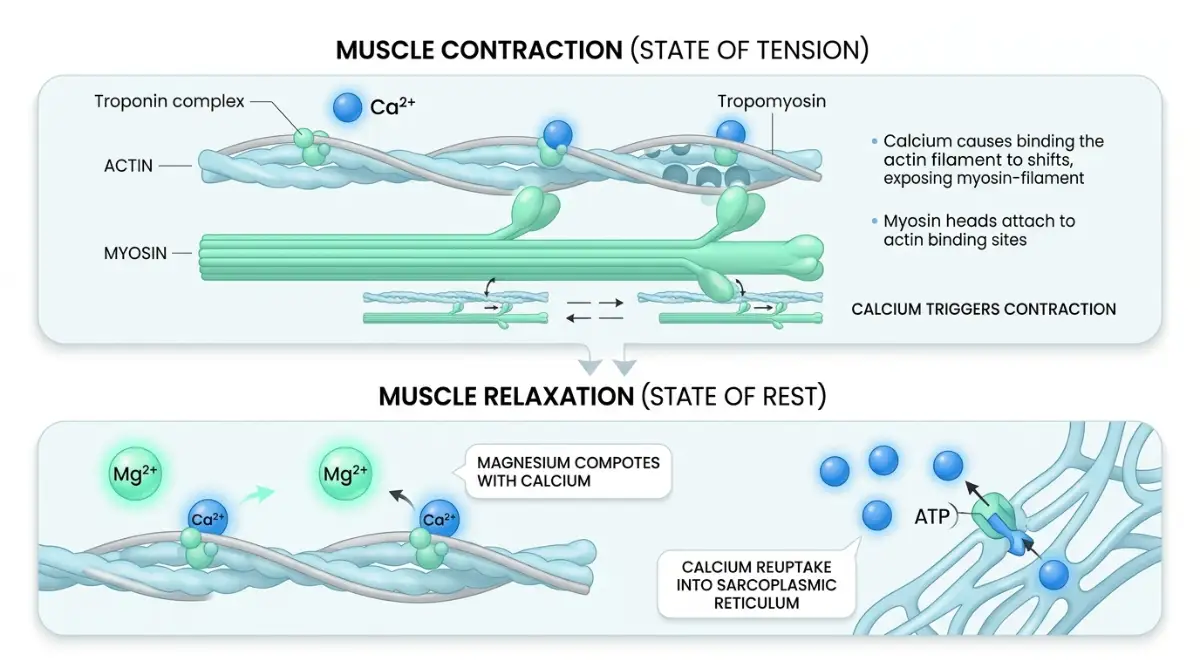
To end muscle cramps for good, you need to understand the biological partnership between two key minerals: calcium and magnesium. Think of calcium as the gas pedal that commands your muscle fibers to contract and tighten. Magnesium acts as the natural brake pedal that tells your muscles to release and relax.
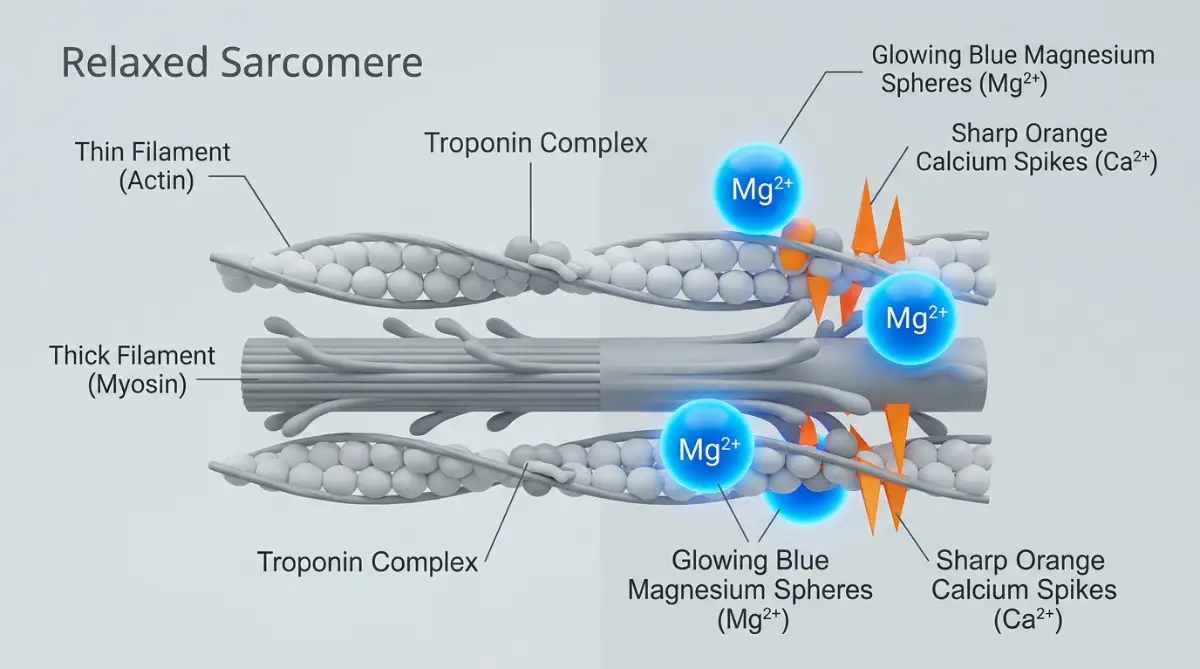
When your magnesium levels drop too low, calcium rushes unchecked into your muscle cells. Without enough magnesium to push that calcium back out, the muscle stays locked in a continuous, painful contraction.
Step 1: Learn to Spot the Early Warning Signs Before Spasms Strike
Do not wait for a severe midnight cramp to take action. Your body sends clear, subtle signals long before a full muscle lock occurs. Start by paying close attention to small muscle twitches throughout your day. An eyelid that flutters randomly, a quick twitch in your thumb, or a gentle ripple in your calf are classic early signs. These tiny spasms mean your nerve endings are becoming hyper-excitable due to dropping magnesium levels.
The Morning Sole Test
When you swing your legs out of bed in the morning, check how the bottoms of your feet feel. If the arches of your feet feel tight, stiff, or slightly painful on the first step, your muscles are holding residual tension. This morning stiffness often signals that your intracellular magnesium ran low during your overnight fasting window.
Identifying Exercise-Induced Warning Tremors
During walks, runs, or gym sessions, watch for moments where a muscle feels suddenly heavy or refuses to stretch completely. If your calf or hamstring feels like a tight rubber band ready to snap, stop immediately. Stretching an acutely magnesium-depleted muscle with brute force can cause microscopic fiber tears instead of relief.
Step 2: Build a Magnesium-Rich Daily Plate with Real Foods
The safest and most sustainable way to rebuild your mineral stores is through smart, whole-food nutrition. You do not need exotic recipes; you just need to pick the right ingredients consistently. Focus on foods that pack high concentrations of elemental magnesium along with healthy fats, which help your digestive tract absorb these minerals effectively.
Simple Food Combinations for Maximum Absorption
Combine your mineral sources wisely to help your gut pull out every milligram of goodness.
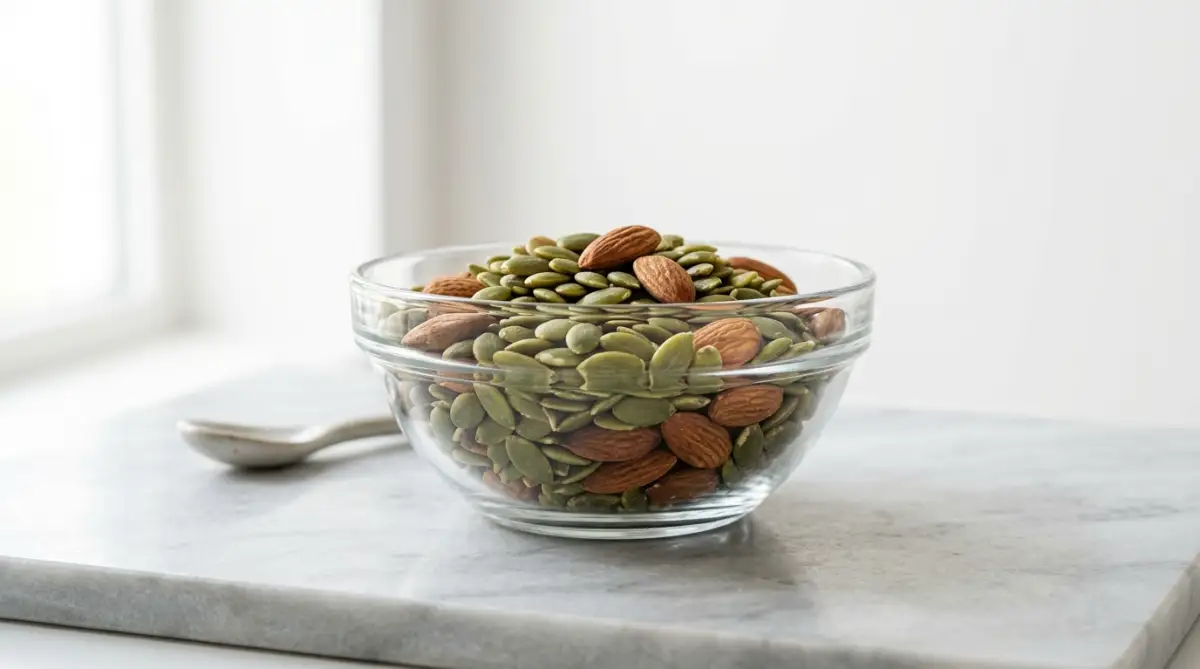
- The Morning Mineral Bowl: Add two tablespoons of raw pumpkin seeds and a handful of sliced almonds over your morning oatmeal or plain Greek yogurt.
- The Power Salad: Mix two cups of fresh baby spinach with half an avocado, pumpkin seeds, and a light olive oil dressing for lunch.
- The Evening Recovery Snack: Enjoy one square of dark chocolate (at least 85% cocoa) alongside a handful of walnuts an hour before bed.
The Role of Soil Depletion and Smart Sourcing
Modern farming practices mean today's vegetables often carry fewer minerals than those grown decades ago. Whenever possible, choose locally grown or organically farmed leafy greens. Eating a wide variety of seeds, nuts, and legumes ensures you cover your bases even if one soil source is depleted.
MYTH VS. FACT: THE REAL TRUTH ABOUT CRAMPS
THE POPULAR MYTH | THE CLINICAL REALITY |"Eat a banana for instant relief." | Bananas offer potassium, but very | little magnesium (~30mg). Seeds | and greens work 5x better. | "Chugging pure tap water fixes | Plain water flushes out remaining | all muscle cramps quickly." | minerals; you need salt and | magnesium to retain hydration. | "All magnesium pills in stores | Cheap magnesium oxide absorbs at | work the same for leg spasms." | only 4%. You need gentle glycinate | or malate to reach muscle cells.
Step 3: Plug the Hidden Daily Habits That Drain Your Magnesium
Putting magnesium into your body is only half the battle. You also need to stop the daily habits that flush this mineral out through your kidneys. Many common lifestyle factors act like open drains, depleting your mineral stores faster than you can replenish them through food alone.
Moderate Your Caffeine Timing
Coffee and energy drinks are natural diuretics that prompt your kidneys to excrete valuable electrolytes, including magnesium and potassium. Try limiting yourself to one or two cups of coffee in the early morning, and avoid drinking caffeinated beverages right before or after your workouts. Always match every cup of coffee with a tall glass of mineral water to keep your hydration balanced.
Tame the Impact of Refined Sugar
Processing refined sugar requires your body to use up stored magnesium molecules. When you eat high-sugar snacks or drink sugary sodas, your metabolism uses up precious magnesium just to break down that glucose. Swap processed afternoon sweets for whole fruits like bananas paired with raw almond butter to satisfy your sweet tooth while adding minerals back in.
Manage Stress-Induced Mineral Dumping
When you experience ongoing emotional or physical stress, your adrenal glands release stress hormones like cortisol and adrenaline. This fight-or-flight response forces your cells to dump magnesium into the bloodstream, where it gets filtered out and lost in your urine. Taking ten minutes each evening for deep belly breathing or a warm bath helps calm your nervous system, keeping your minerals right where your muscles need them most.
Understanding the Hydration Trap: Why Plain Water Is Not Enough
Many people make the mistake of drinking massive amounts of plain filtered water as soon as cramps begin. While hydration is important, drinking excessive plain water without electrolytes can actually backfire. It dilutes the concentration of sodium, potassium, and magnesium in your bloodstream. This dilution, known as an osmotic imbalance, makes your nerve endings even more sensitive and prone to misfiring
A Real-Life Scenario: The Evening Jogger
Imagine an office worker named Mark who sits at a desk all day, drinks three cups of black coffee, and heads out for a four-mile run in the evening heat. During the run, he sweats heavily, losing both water and electrolytes. When he gets home, he chugs three large glasses of pure tap water. That night, Mark wakes up with a terrible calf cramp. He wonders why he cramped despite drinking so much water. The reason is simple: he replaced the lost water volume, but left his muscle cells completely depleted of magnesium and sodium. His muscle fibers remained locked because there was no mineral signal to release the tension.
How to Hydrate Smarter Every Day
To protect your muscles, turn plain water into a muscle-friendly drink with simple additions:
- Add a small pinch of unrefined sea salt and a squeeze of fresh lemon juice to your water bottle.
- Sip your fluids slowly throughout the day rather than chugging large volumes all at once.
- Include magnesium-rich herbal teas, like nettle leaf or oat straw tea, as part of your daily fluid intake.
By pairing proper hydration with mineral-rich foods and stress-reducing habits, you give your muscles the exact tools they need to stay relaxed, flexible, and pain-free.
Advanced Strategies for Fast and Lasting Muscle Recovery
Now that you understand the basic balance between calcium and magnesium, let us look at advanced ways to speed up your recovery. These expert-level methods help your body absorb minerals faster and keep your muscle fibers flexible around the clock.
Step 4: Pick the Right Form of Magnesium for Your Specific Needs
Walking into a health store can feel overwhelming because not all magnesium forms work the same way.
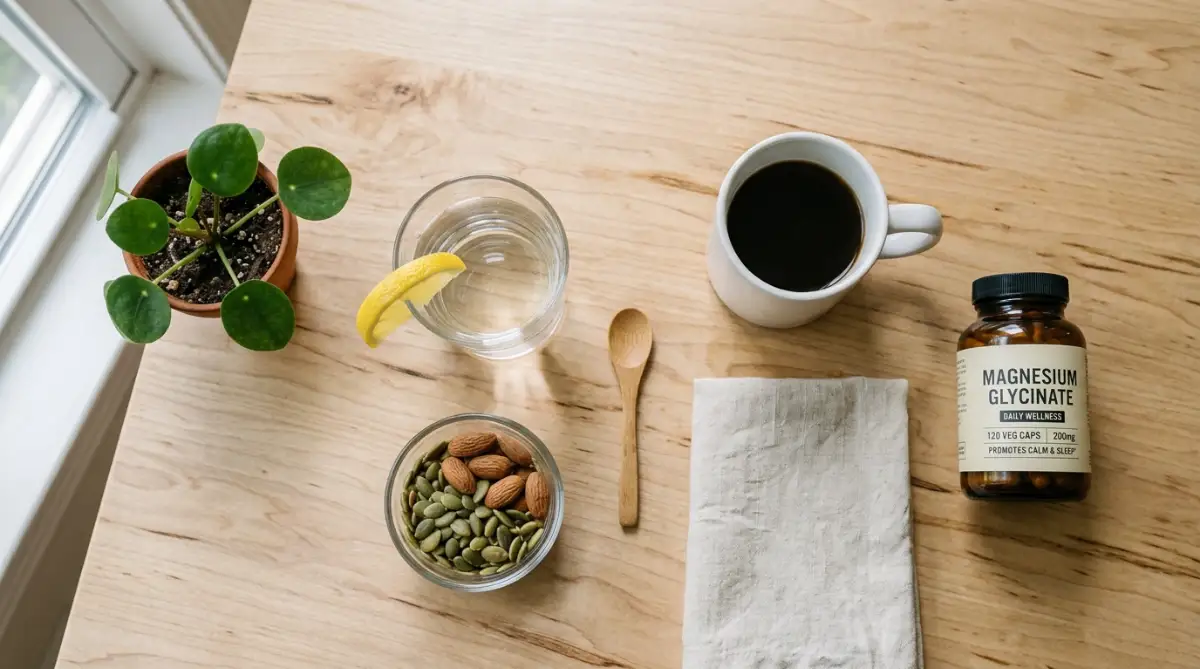
Some types absorb quickly into your muscle tissue, while others mainly draw water into your bowels and cause digestive distress.
Why Magnesium Glycinate Leads the Pack
Magnesium glycinate is bound to glycine, a calming amino acid that soothes your central nervous system. This form passes through your intestinal wall easily without triggering loose stools or stomach cramps. Taking magnesium glycinate about thirty to forty-five minutes before bed helps relax tight calves and promotes deep, uninterrupted sleep.
When to Choose Magnesium Malate
If your muscle cramps hit hardest during daytime workouts or physical work, consider magnesium malate. Malic acid plays an active role in cellular energy production inside your mitochondria. This form helps reduce post-workout muscle fatigue while delivering elemental magnesium directly to exhausted fibers.
Step 5: Use Transdermal Magnesium and Warm Soaks for Instant Relief
When a muscle knots up, your digestive tract might take hours to break down dietary minerals. Transdermal application—absorbing minerals directly through your skin—offers a fast, soothing way to ease localized tension.
The Power of Evening Epsom Salt Baths
Epsom salts are made of magnesium sulfate, a compound that dissolves easily in warm water. Soaking in a warm bath with two cups of Epsom salts for twenty minutes dilates your blood vessels and encourages tight muscles to unspool. The soothing warmth combined with mineral absorption calms overstimulated motor nerves before you head to sleep.
Applying Magnesium Oil Sprays
Magnesium oil is not actually an oil; it is a concentrated solution of magnesium chloride and pure water that feels slick on the skin. Spray two to three pumps directly onto your calves, hamstrings, or feet after a warm shower, then rub it in gently. You might feel a mild tingling sensation at first, which is completely normal and fades as your skin adjusts.
Step 6: Pair Magnesium with Vitamin D3 and B6 for Cellular Delivery
Minerals do not work in isolation; they need co-factors to enter your cells efficiently. If you take magnesium without its natural nutritional partners, much of it never reaches the muscle cells where spasms happen.
- Vitamin B6 (Pyridoxal-5-Phosphate): Acts like an escort service, helping carry magnesium molecules directly through your cell membranes.
- Vitamin D3: Helps regulate how well your body manages overall mineral levels and keeps calcium from roaming freely where it does not belong.
- Trace Minerals (Boron and Zinc): Prevent your kidneys from dumping excess magnesium back into your bladder prematurely.
Try eating foods that naturally bundle these nutrients together, such as wild-caught salmon, pastured eggs, and dark leafy greens.
Your Long-Term Daily Maintenance Blueprint
Maintaining healthy muscles is a daily practice, not a one-time event. Use this simple, repeatable schedule to keep your mineral stores full and your body moving smoothly.
5 Critical Mistakes That Keep Your Muscles Locked in Spasms
When trying to stop muscle cramps, well-meaning habits can sometimes work against you. Avoid these five common pitfalls to protect your health and get lasting relief faster.
1. Grabbing the Cheapest Magnesium Oxide on the Shelf
Many budget supplements use magnesium oxide because it is cheap to manufacture and packs a high number on the label. However, your digestive system can only absorb about 4% of this form. The remaining 96% sits in your gut, drawing in water and causing sudden diarrhea that flushes out even more of your valuable electrolytes. Always read the back label carefully and choose bioavailable forms like glycinate, malate, or orotate.
2. Overloading on Calcium Without Matching Magnesium
Many people take high-dose calcium supplements for bone density without adding any extra magnesium. When calcium levels overwhelm your magnesium reserves, calcium settles into soft muscle tissue instead of your bones. This imbalance keeps your muscle fibers locked in a semi-contracted state, making spasms and stiffness much more frequent. Aim for an ideal balance: for every two parts of calcium you get from food or supplements, make sure you get one part magnesium.
3. Yanking and Forcing an Actively Spasming Muscle
When a cramp locks your calf like a vice, your natural instinct might be to pull your toes back with extreme force. Violently overstretching a fully contracted muscle can cause tiny microscopic tears in your muscle fibers. Instead of yanking, stand up slowly and place your flat foot firmly against the floor. Gently shift your body weight forward, take deep breaths, and let the muscle warm up and release gradually.
4. Relying on Standard Blood Serum Tests for Diagnosis
When you ask your doctor to test your magnesium, standard clinics run a Serum Magnesium Test. Here is the catch: less than 1% of your body's total magnesium lives in your bloodstream. Your body will pull magnesium out of your bones and muscle tissue just to keep blood levels steady and protect your heart. This means your blood test can show "normal" levels even while your muscle cells are completely starved of minerals. Ask your healthcare professional for an RBC Magnesium Test (Red Blood Cell Magnesium), which measures mineral levels inside your actual cells.
What to Ask Your Doctor at Your Next Visit:
When you discuss recurring leg spasms with your doctor, do not just settle for a generic blood panel. Say this: "Can we order an RBC Magnesium test rather than standard serum magnesium? I want to see what is happening inside my red blood cells, not just the filtered levels in my blood plasma." This simple question ensures you get a true reading of your cellular mineral stores.
5. Taking Large Doses at the Same Time as High-Iron Meals
Magnesium and iron share the same absorption pathways inside your small intestine. If you take your daily magnesium pill alongside an iron supplement or a heavy steak dinner, both minerals compete for entry. As a result, your gut absorbs significantly less of each nutrient. Space your magnesium intake at least two hours apart from iron supplements or high-zinc meals to ensure maximum absorption.
Reclaiming Peaceful Nights and Pain-Free Days
Muscle cramps can make you feel like you have lost control over your own body. Waking up in pain, dreading your evening workouts, or dealing with constant twitches is both physically exhausting and mentally draining. Yet, as you have seen, your body is simply asking for the biological tools it needs to relax. By adding mineral-rich seeds and greens to your meals, cutting back on mineral-draining habits, and choosing the right forms of magnesium, you give your nerves and muscles the support they need.
Start tonight. Drink a tall glass of water with a pinch of sea salt, enjoy a handful of pumpkin seeds, or relax in a warm Epsom salt bath. Your muscles will thank you with the calm, deep, and cramp-free rest you truly deserve.