
The Weight of Unpaid Debt
For years, I woke up every morning with that same heavy knot in my stomach, knowing my paycheck would disappear the second it hit my bank account. I spent endless nights staring at my loan balance, feeling like I was just working to pay off a past version of myself. I know exactly how exhausting it is to feel like your dreams are on hold, but I also know that you can reclaim your future if you stop guessing and start tracking your own progress.
You wake up every single morning with a heavy feeling in your chest. That specific anxiety stems from the monthly notification that your student loan payment is due. It feels like a constant shadow following you, regardless of how hard you work at your job. You want to save for a home or start a business, but your income disappears into interest payments. This cycle leaves you feeling stuck in place while the rest of your life waits on the sidelines. You are not alone in this frustration, and your dream of financial freedom is not out of reach.
Why Finding the Truth Feels Impossible
Many people struggle to find clear answers because the system is designed with layers of complex terminology. You might search online for hours, only to end up more confused than when you started. Here is why the search for forgiveness often leads to a dead end:
- Misleading Advertisements: Many websites pose as official help centers just to capture your data for marketing.
- Ever-Changing Rules: Government programs often undergo updates that make older blog posts inaccurate.
- Information Overload: Sifting through thousands of pages of legal documentation is physically and mentally draining.
- The "One-Size-Fits-All" Trap: People often apply for programs that simply do not match their specific loan type.
The Mental Toll of Financial Uncertainty
Beyond the bank account, debt impacts the way you view your own potential. When you feel trapped by your balance, it is easy to lose confidence in your long-term goals. Here is how this uncertainty slowly wears you down:
- Decision Paralysis: You avoid looking at your accounts because the numbers cause immediate stress.
- Lost Opportunities: You might turn down career changes or personal growth experiences to keep a "safe" paycheck.
- Strained Relationships: Talking about money becomes a source of conflict with partners or family members.
- Diminished Joy: It becomes difficult to celebrate your professional achievements when you feel like you are working only for your lender.
Understanding your debt is the first step toward reclaiming your time and mental energy. You deserve to know exactly where you stand without the fear of hidden traps. By breaking down the process into smaller, manageable parts, we can remove the mystery behind your eligibility. This is not about magic; it is about knowing which boxes you already check. Let us look at the facts and move toward a path that puts you back in the driver's seat.

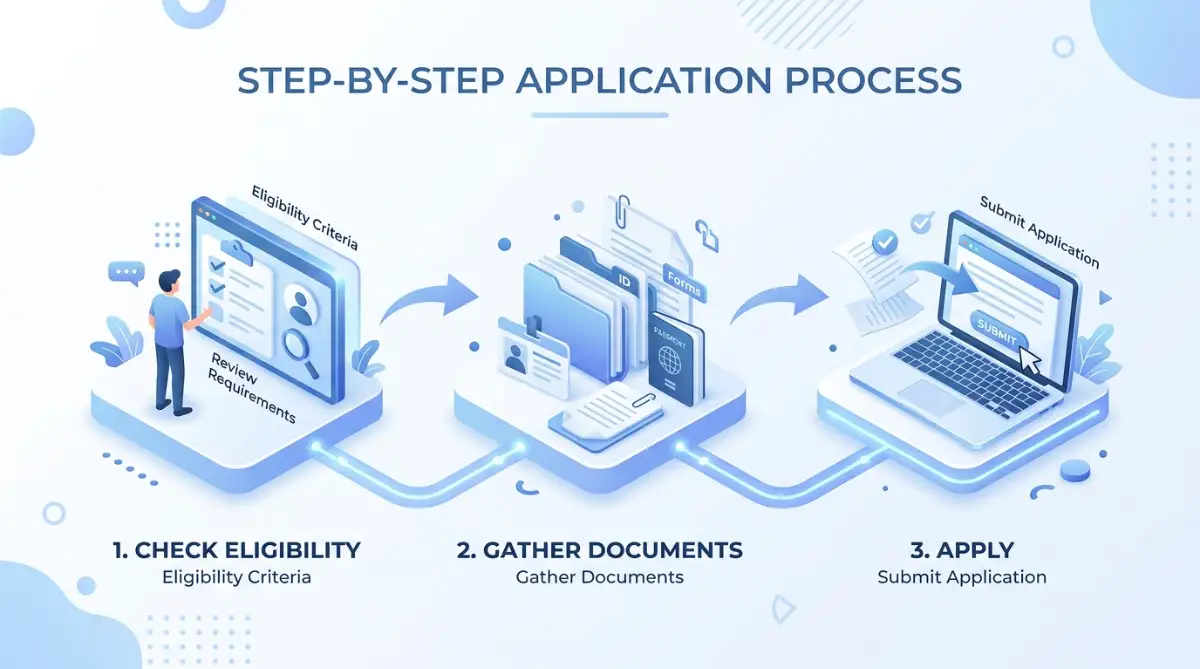
Step 1: Identifying Your Specific Loan Type
Watch this simple breakdown to see how to quickly identify your loan type and avoid the most common traps. Once you understand the basics in this video, keep reading below to master the exact strategy I used to regain control of my financial life.
Not all student loans are created equal, and this is where most people get stuck. You must first determine if your loans are Federal or Private. This is the single most important detail in your journey toward forgiveness.
Most forgiveness programs are designed exclusively for federal student loans backed by the government. If your loans are private, you generally do not qualify for these specific federal relief paths. You can find this out by visiting the official student aid website and logging into your account. Look for terms like "Direct Loan" or "FFEL Program" on your dashboard.
If you see these labels, you are likely in the right place to explore your options. Write down the specific name of your loan providers on a piece of paper. This will keep you organized and prevent you from wasting time on irrelevant programs.
Step 2: Reviewing Your Current Employment Status
Some of the most popular forgiveness programs are tied directly to your career choice. If you work for a government agency or a non-profit organization, you may qualify for specific public service programs. These programs reward your commitment to community work by clearing your balance after a set period of payments.
You do not need to be a doctor or a lawyer to qualify for these benefits. Many roles, such as teachers, nurses, and administrative staff at non-profits, are often eligible. Review your employer's tax status to see if they fit the definition of a qualifying organization.
If you are not in the public sector, look for income-driven plans that offer forgiveness after a long period of consistent payments. These plans adjust your monthly bill based on what you actually earn, not what you owe. This makes the debt easier to manage while you work toward the finish line.
Step 3: Aligning Your Payment History
The final step in this simple breakdown is understanding your payment history. Many programs require you to make a certain number of payments before they wipe away the remaining balance. It is not enough to just hold the loan; you must demonstrate a record of consistent participation.
If you have missed payments in the past, do not panic. Many programs allow you to "rehabilitate" your standing or get back on track with a new repayment plan. Contact your loan servicer directly to confirm how many qualifying payments you have already made.
I once wasted an entire year on the wrong payment plan because I thought the system would automatically put me on the best one. My biggest realization was that the loan servicer is not looking out for my best interest, so my pro tip is to confirm your plan type in writing every single year. You have to be your own biggest advocate, or you might find yourself running a race that never actually ends.
Think of this like a marathon rather than a sprint. You do not need to pay off the entire amount today to reach the end. You only need to stay consistent with the rules of your chosen program. By keeping your information updated and communicating with your servicer, you keep the door to forgiveness wide open. Remember, the goal is to make the debt fit your life, not to let the debt define your future.
Step 4: Mastering the Power of Recertification
Many people forget that eligibility is not a "one-and-done" event. If you are on an income-driven repayment plan, you must verify your income and family size every single year. Failing to do this on time can cause your monthly payment to jump back to the standard amount. That increase can shatter your monthly budget in a single month.
Set a recurring reminder on your phone for at least one month before your deadline. Use this time to gather your latest pay stubs or tax documents. When your servicer reaches out, you will have your files ready to upload instantly. This simple habit keeps your payments low and ensures you remain in good standing.
Think of this as maintaining your car. If you skip the oil changes, the engine eventually stops working. By recertifying on time, you keep your loan engine running smoothly toward the finish line of forgiveness.
Step 5: Documenting Your Journey for Future Proof
It is smart to keep a personal folder of every document related to your student loans. Do not rely solely on the online portal to store your history. You should save copies of your application forms, approval letters, and annual recertification notices.
If there is ever a system error or a change in your account, you will have the digital paper trail to protect yourself. A simple cloud storage folder or a physical binder works perfectly for this. Label these documents by the date and the type of communication.
This habit gives you immense peace of mind. When you have your own records, you stop feeling like a victim of a distant computer system. You become the manager of your own financial health.
Staying on Track for the Long Haul
Success with loan forgiveness requires patience and consistency. You do not need to check your balance every day. Instead, focus on your monthly habit of paying on time and recertifying your data.
Treat this process like a long-distance hike. You do not need to run to the top of the mountain to get there. You just need to keep taking steady steps and checking your map every few miles.
If you ever feel overwhelmed, reach out to your loan servicer. Ask specific questions about your payment count. Keep a log of who you spoke with and the date of the call. Taking these small, proactive steps puts you ahead of 90% of other borrowers.
Mistakes That Can Derail Your Progress
Trying to navigate the system without a plan leads to common traps. Many people make these mistakes because they act out of panic rather than strategy. Here are five errors you must avoid at all costs.
1. Relying on Third-Party "Debt Relief" Companies
You might see ads for companies that promise to "wipe away" your debt for a fee. These companies are not the government. They will charge you hundreds of dollars to fill out free forms you could do yourself. Never give your personal financial information to a company that guarantees forgiveness.
2. Choosing the Wrong Repayment Plan
Not all payment plans lead to forgiveness. Some plans are designed to pay off your debt as fast as possible, which is great for some but bad for those seeking forgiveness. Always double-check that your plan is an Income-Driven Repayment (IDR) plan. If you are on the wrong plan, your years of payments might not count toward the final total.
3. Missing Important Notifications
Your loan servicer sends updates via email or physical mail. If you ignore these, you might miss a deadline to recertify or a notice about a program change. Check your inbox weekly and make sure your contact details are up to date. Ignoring the mail is the fastest way to lose your eligibility.
4. Forgetting to Track Your Own Progress
Do not assume the government is keeping a perfect count for you. Mistakes happen in their database all the time. By keeping your own log, you can spot discrepancies early. If the official count looks wrong, you will have your own evidence to dispute it.
5. Making Irregular Payments
Some borrowers try to pay extra to "get ahead" or skip a month when they have extra cash. If you are aiming for forgiveness, you must stick to the required monthly cycle. Making random, large payments often does not shorten your wait time. Consistency is more valuable than a large, one-time payment.
Your Path Toward Financial Freedom
You now have the knowledge to move forward with confidence. Understanding your loan type and staying consistent with your requirements changes the game. This process is not a mountain you cannot climb; it is a series of simple steps.
Start today by organizing your documents and confirming your plan. You are not just paying off a debt; you are building a future where your income belongs to you. Every payment you make is a step toward that goal.
Believe in your ability to handle this. You have already taken the hardest step by seeking out the truth. Keep your head up, follow the plan, and stay committed to the process. Your financial independence is worth the effort.
Looking back at my own journey, the moment I stopped feeling like a victim of my debt was the moment I started taking charge of my paperwork. You are more than capable of navigating this process, and the relief you will feel when you finally take control is worth every bit of effort. Start organizing your records today, and take that first step toward owning your own income again.