The Silent War Happening Inside Your Body Right Now
For months, I couldn't figure out why I woke up feeling like I'd run a marathon in my sleep, and my brain felt like it was swimming through thick fog. Every doctor told me my labs were completely fine, leaving me to wonder if I was just imagining my own exhaustion and joint pain. It wasn't until I stopped looking at isolated symptoms and started digging into cellular health that everything finally clicked into place. You feel tired for no clear reason. Your joints ache. Your skin looks dull. Your memory isn't as sharp as it used to be. Something is wrong. But your doctor says your blood work looks normal. So what's really going on?
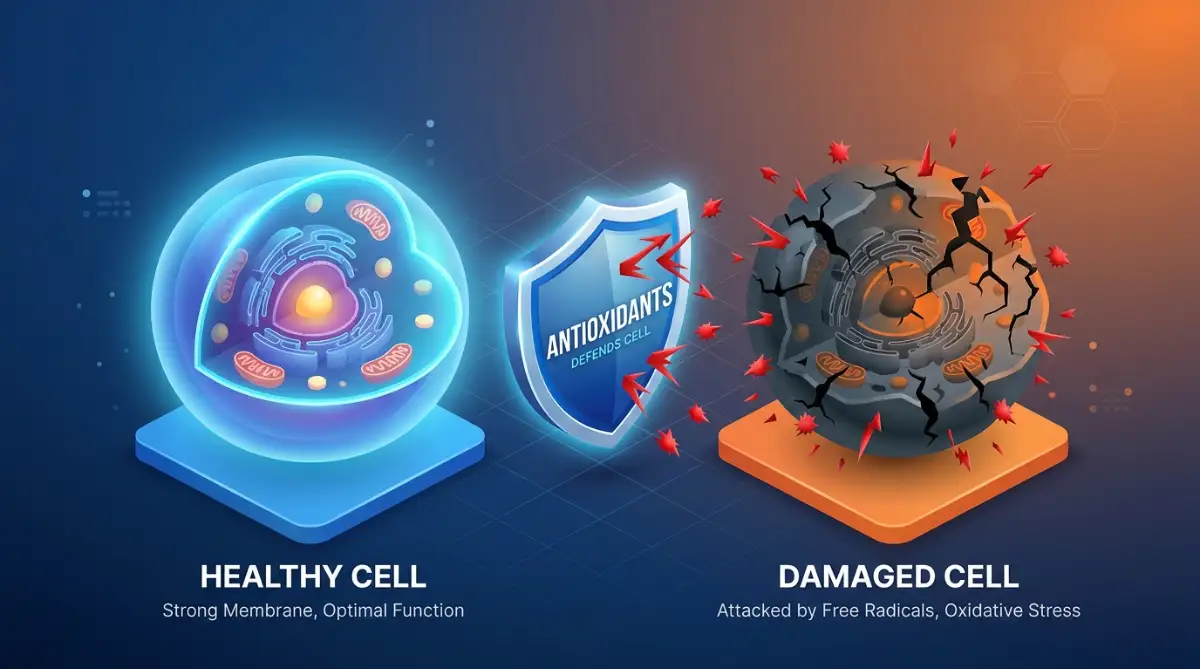
Here's the truth most people don't know. There's a silent battle happening inside every single cell of your body. A battle between damaging particles called free radicals and protective molecules called antioxidants. When that battle tilts in the wrong direction, you experience something called oxidative stress. And it's linked to almost every chronic health condition you can name. Heart disease. Diabetes. Alzheimer's. Arthritis. Cancer. Aging itself. These aren't random conditions. They share a common thread. And that thread is oxidative damage at the cellular level. Most people never even hear about this until something goes seriously wrong. They don't know what oxidative stress is. They don't recognize its warning signs. And they certainly don't know how to stop it. But you're about to learn all of that right now.
Why So Many People Miss This Hidden Health Threat
There's a reason oxidative stress flies under the radar for most people. It doesn't show up on standard medical tests. It doesn't cause obvious symptoms overnight.
Instead, it works silently. Slowly. Year after year.
- Many people think aging alone causes their health decline
- Most don't realize lifestyle choices either fuel or fight oxidative stress
- The connection between diet and cellular damage gets overlooked
- People focus on treating symptoms instead of root causes
- Misinformation about antioxidants confuses more than it helps
- Quick fixes and supplements distract from real solutions
The result? People spend years feeling unwell without understanding why. They try random supplements. They jump from diet to diet. They accept fatigue and brain fog as normal parts of aging. But here's the thing. Oxidative stress isn't just about getting older. It's about how your lifestyle, environment, and daily choices either support or attack your cells. And that's actually great news. Because it means you have control.
How This Invisible Problem Steals Your Energy and Well-Being
Living with chronic oxidative stress is like driving a car with the emergency brake partially engaged. Everything takes more effort. Your engine works harder. Parts wear out faster.
This is what it does to your daily life:
- Your energy levels drop because your cells struggle to produce fuel
- Your brain feels foggy because neural pathways get damaged
- Your mood suffers because neurotransmitter balance gets disrupted
- Your sleep quality declines because hormonal rhythms shift
- Your skin shows premature aging because collagen breaks down faster
- Your recovery slows down after exercise or illness
- Your immune system weakens, leaving you vulnerable
The emotional weight of this is heavy. You start believing you're just "getting old." You accept feeling worse as normal. You lose confidence in your body's ability to heal itself. But here's the reality. Your body is designed to repair itself constantly. Every single day, your cells replace damaged components. They recycle waste. They build new tissue. The problem isn't that your body lost the ability to heal. The problem is that oxidative stress overwhelms your repair systems faster than they can keep up. Think of it like a house. If you clean it regularly, it stays in good shape. But if dirt and damage accumulate faster than you clean, the house deteriorates. That's oxidative stress. It's an accumulation of cellular damage that outpaces your body's natural repair capacity. The good news? You can change the balance.
What Exactly Is Oxidative Stress? Let's Break It Down Simply
You've heard the term. But what does it actually mean? Every cell in your body produces energy. That's how you stay alive. But during this energy production process, your cells create byproducts called reactive oxygen species. These are molecules with unpaired electrons. They're unstable. They want to steal electrons from other molecules. When they do, they create a chain reaction of damage. This is oxidative stress in simple terms: An imbalance between harmful reactive molecules and protective antioxidants in your cells.
When you have too many reactive molecules and not enough antioxidants to neutralize them, your cells get damaged. Proteins break down. DNA gets mutated. Cell membranes lose their integrity. And over time, this damage accumulates.
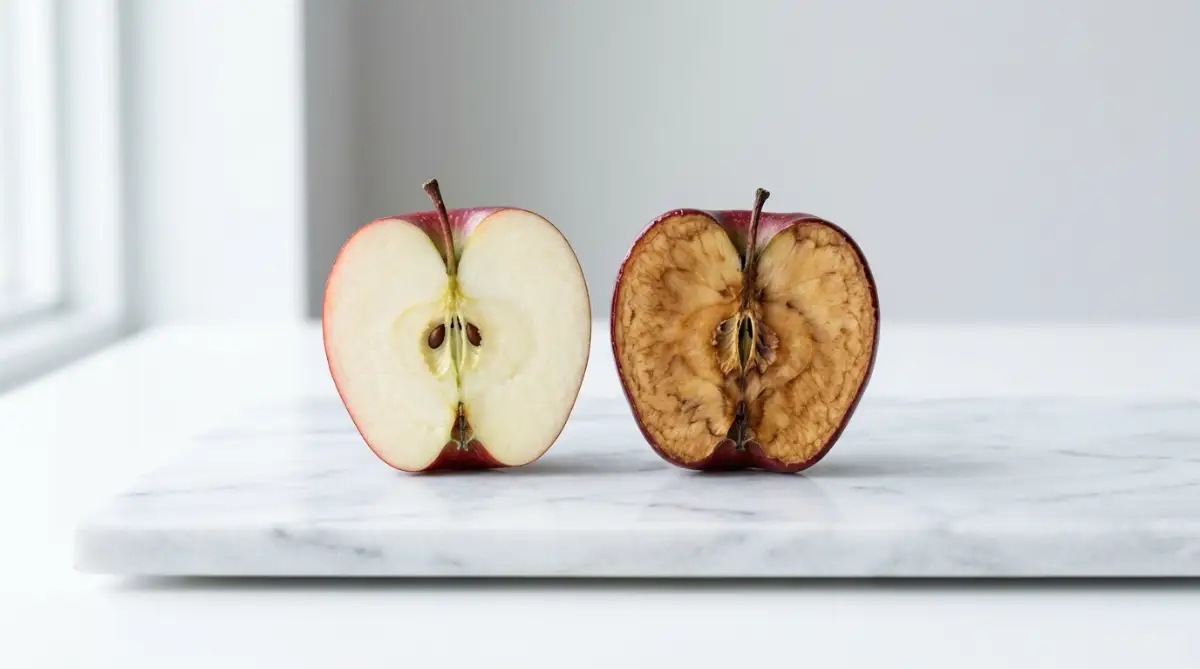
Here's an analogy that makes it clear. Think of a campfire. Fire creates heat and light, which are useful. But it also creates smoke and sparks. In your body, energy production creates useful energy, but it also creates "smoke and sparks" in the form of free radicals. A few sparks are fine. Your body has systems to handle them. But when sparks become a steady rain, things catch fire. That fire is oxidative damage. The reality is this: You can't stop free radical production completely. It's a natural part of being alive. What you can do is minimize the excess and maximize your defense systems.
Step 1: Identify the External Sources of Oxidative Stress
Before you can protect yourself, you need to know what's attacking you. Not all oxidative stress comes from inside your body.
External sources of free radicals include:
- Air pollution and environmental toxins
- Pesticides and chemicals in food
- Heavy metals in water or cookware
- Cigarette smoke and secondhand exposure
- Excessive alcohol consumption
- Processed foods and trans fats
- High sugar intake
- Radiation and excessive sun exposure
These are the invisible threats. The things you might not even think about. But they add up over time. Your body has to use antioxidants to neutralize these invaders. When you're constantly exposed to these sources, your antioxidant reserves get depleted. Your body simply can't keep up. And oxidative stress builds up faster than you can clear it. Here's the practical part. You can't avoid all toxins. But you can reduce your exposure significantly. Choose organic when possible. Filter your water. Avoid processed foods. Stop smoking. Moderate alcohol. These simple changes reduce the burden on your cells. Think of it like this. Every external toxin is a weight on your cellular health. The more weight you carry, the harder your body has to work to stay balanced. Lighten the load, and your cells can focus on repair instead of just survival.
Step 2: Strengthen Your Internal Antioxidant Defenses
Your body makes its own antioxidants. That's right. You don't just get them from food. Your cells produce powerful antioxidants like glutathione, coenzyme Q10, and superoxide dismutase. Here's what most people don't realize. Your body's internal antioxidant production depends on the availability of specific nutrients. If you're lacking in these nutrients, your production drops.
Key nutrients that support your internal antioxidant systems:
- Vitamin C – recycles other antioxidants
- Vitamin E – protects cell membranes
- Selenium – supports enzyme function
- Zinc – stabilizes proteins
- B vitamins – support energy metabolism
Without these nutrients, your antioxidant defenses weaken. It doesn't matter how many supplements you take. If your body can't use them, they don't help. You get these nutrients from food. Not from pills. Foods are complex systems of compounds that work together synergistically. An orange isn't just vitamin C. It's vitamin C, flavonoids, minerals, and fiber all working together. That's why whole foods matter. They provide the complete support system your body needs to build its own defenses.
Step 3: Align Your Lifestyle to Minimize Cellular Stress
Want to see how everyday habits quietly trigger cellular damage without you even realizing it? Watch this quick breakdown to spot the hidden traps in your daily routine before they drain your energy.
Here's a truth that might surprise you. Your lifestyle habits either fuel or fight oxidative stress. Every single day.
Habits that increase oxidative stress:
- Chronic lack of sleep
- Physical inactivity or overtraining
- Chronic psychological stress
- Eating at irregular times
- Dehydration
- Overeating, especially processed foods
Your body is a system. When you disrupt your sleep, your stress hormones rise. That increases free radical production. When you're sedentary, your mitochondria become less efficient. That generates more reactive molecules. But here's the flip side. The right lifestyle habits actively lower oxidative stress.
Habits that protect you:
- Regular moderate exercise
- Consistent sleep schedule
- Stress reduction practices
- Balanced meal timing
- Adequate hydration
- Eating whole foods
You don't need perfection. You just need consistency. Small daily choices add up to massive differences over time. One study showed that people who exercised regularly had lower oxidative stress markers than sedentary individuals. Even moderate walking made a measurable difference. Your cells respond to what you do regularly. Not what you do once in a while.
The Antioxidant Powerhouses That Actually Make a Difference
Now let's get specific. Because not all antioxidants are created equal. When you hear about antioxidants, you probably think of vitamin C and vitamin E. Those are important. But there's a whole other level of protection that most people completely overlook. Polyphenols are where the real magic happens. These are compounds found in plants. They don't just neutralize free radicals directly. They actually trigger your body's own defense systems. They turn on genes that produce more internal antioxidants.
Think of it like this. Vitamin C is like hiring a security guard. Polyphenols are like training your entire building's staff to spot threats themselves. The second approach is far more powerful. Foods rich in polyphenols include berries, dark chocolate, green tea, coffee, olives, and spices like turmeric and cinnamon. These aren't exotic foods. They're everyday items you can easily add to your routine.
Here's a practical tip that works. Start your morning with green tea instead of coffee. I used to think popping a random multivitamin and drinking fancy green juices once in a while was enough to keep me healthy. My biggest mistake was ignoring the daily habits—like scrolling on my phone late at night and living on chronic stress—that were secretly burning through my body's defense systems faster than any food could fix. Add berries to your breakfast. Use olive oil on your salads. Sprinkle cinnamon on your oatmeal. Small swaps make a real difference.
The science behind this is solid. Studies show that people who consume more polyphenol-rich foods have lower oxidative stress markers and better long-term health outcomes. But there's a catch. Your body absorbs these compounds differently depending on what you eat them with. Pairing them with healthy fats improves absorption. That's why olive oil on vegetables works so well. You're not just eating food. You're sending signals to your cells.
The Sleep-Repair Connection Most People Miss
Here's something that will change how you think about rest. Your body does its most intense cellular repair while you sleep. That's when your brain clears waste products. That's when your cells recycle damaged components. That's when your antioxidant systems recharge. When you cut your sleep short, you cut your repair time. Think of it like a factory that does maintenance only at night. If you shorten the night shift, the maintenance doesn't get done. Damage accumulates. Parts wear out faster.
The research is clear. Poor sleep quality is directly linked to higher oxidative stress. Your body simply doesn't have enough time to clear reactive molecules and repair damaged cells. What does quality sleep look like? Seven to eight hours of uninterrupted rest. Falling asleep within twenty minutes. Waking up feeling refreshed. Not waking up multiple times during the night. But here's the practical reality. You can't force sleep. You can only create the conditions for it.
Try this. Stop eating at least two hours before bed. Dim the lights an hour before you sleep. Keep your bedroom cool. Avoid screens in the last hour of your evening. These aren't complex changes. But they work. And when you combine quality sleep with a diet rich in antioxidants, you create a powerful cycle of protection and repair.
The Movement Paradox: Too Little and Too Much Both Hurt
Exercise is good for you. But there's a catch. Moderate exercise reduces oxidative stress. It triggers your body's built-in antioxidant systems. It improves mitochondrial function. It lowers inflammation. But intense exercise without recovery does the opposite. When you train too hard without giving your body time to recover, you generate excessive free radicals. Your antioxidant systems get overwhelmed. Instead of protecting you, the exercise actually damages you.
This is what we call the exercise paradox. The same activity that protects you can hurt you if you overdo it. Here's the sweet spot. Moderate activity most days. Walking, cycling, swimming, light resistance training. Enough to raise your heart rate and keep you moving. Not so much that you're constantly sore or exhausted. Listen to your body. If you feel drained after workouts, you're probably pushing too hard. If you feel energized, you're in the right zone. Recovery is where the adaptation happens. Not in the workout itself.
Five Mistakes That Sabotage Your Cellular Health
Now let's talk about what not to do. Because small missteps can undo a lot of good work.
Mistake 1: Relying on Supplements Instead of Food
This is one of the most common traps. People take high-dose antioxidant supplements and think they're protected. But here's the problem. Isolated antioxidants don't work the same way as whole foods. In fact, some studies show that high-dose supplements can actually increase oxidative stress. They disrupt the natural balance your body maintains. Your body evolved to get nutrients from food. Not from pills. The synergy of compounds in whole foods matters. A blueberry has flavonoids, vitamin C, fiber, and dozens of other compounds that work together. A supplement has one compound. It's not the same.
Mistake 2: Eating Too Much Sugar
This one is huge. Sugar doesn't just add empty calories. It actively promotes oxidative stress. When you eat sugar, your blood glucose spikes. That glucose interacts with proteins in your body, creating advanced glycation end products. These are damaging compounds that increase inflammation and oxidative stress. Even if you eat healthy foods, too much sugar cancels out the benefits. Watch for hidden sugars. Sauces, dressings, breads, and processed snacks often contain surprising amounts. Read labels. Be aware.
Mistake 3: Ignoring Chronic Stress
You already know stress is bad for you. But do you know why? Chronic stress elevates cortisol. High cortisol increases free radical production. It also depletes your antioxidant reserves. The more stressed you feel, the more oxidative damage you experience. Stress isn't just in your head. It's in your cells. You need real strategies to manage it. Not just positive thinking. Actual practices like deep breathing, walking in nature, talking to friends, and setting boundaries.
Mistake 4: Overlooking Hydration
Water isn't just for thirst. It's for cellular function. Your cells need water to transport nutrients and remove waste. When you're dehydrated, your cells become less efficient. Waste products accumulate. Oxidative stress increases. Most people walk around slightly dehydrated every single day. Aim for consistent hydration throughout the day. Not just chugging water at meals. Carry a bottle. Sip regularly. Your urine color is a good guide. Light yellow means you're on track.
Mistake 5: Expecting Quick Results
This is the most frustrating mistake. People start making healthy changes and expect immediate transformation. When they don't see dramatic results in a week, they give up. Cellular health changes slowly. The damage took time. The repair also takes time. The benefits are real. But they accumulate over months and years. Your skin gets clearer. Your energy improves gradually. Your immune system gets stronger. Your risk of chronic disease drops. The people who succeed are the ones who stick with it. They don't give up when results aren't instant. They trust the process.
Building Your Personal Cellular Defense System
You now have everything you need. You understand what oxidative stress is. You know how it affects your cells. You've learned practical steps to protect yourself. And you know what mistakes to avoid. What you do with this information is up to you. Here's a simple framework to start. Pick one thing from each area and commit to it. From food: Add one polyphenol-rich food to your daily routine. Maybe it's berries with breakfast. Maybe it's green tea in the afternoon.
From lifestyle: Improve your sleep. Go to bed twenty minutes earlier. Keep your bedroom dark and cool. From stress management: Take five minutes a day to breathe deeply. Just five minutes. That's enough to shift your nervous system. Start small. Consistency beats intensity. Your cells don't care about perfection. They care about patterns. Regular small actions create lasting change. Big dramatic efforts that you can't sustain don't help. Think of this as a long-term relationship with your body. You're in it for the long haul. Small, consistent acts of care build trust and resilience.
Your Health Is in Your Hands
The science of oxidative stress is clear. But knowing isn't enough. You have to act on what you know. Every meal is a choice. Every night's sleep is a choice. Every response to stress is a choice. These choices add up. They shape your cellular health. They shape how you feel. They shape how you age. You can't control everything. You can't avoid pollution entirely. You can't eliminate all stress. You can't stop free radical production. But you can build your defenses. You can choose foods that protect you. You can prioritize sleep. You can manage stress. You can move your body wisely.
These are not complicated things. They are everyday things. They work best done regularly. A single salad won't fix your health. But eating well consistently will. One good night's sleep won't transform you. But sleeping well consistently will. The path to better cellular health is simple. It's not always easy. But it's worth it. Your cells are working for you right now. Every single second. They're producing energy. They're repairing damage. They're keeping you alive. They deserve your care. And you deserve to feel good. Start today. Pick one small change. Do it tomorrow. Do it again the next day. Watch what happens over weeks and months. You'll feel it. You'll see it. Your cells will show you they appreciate it.
I won't lie, changing my daily routine wasn't an overnight fix, and there were days I wanted to throw in the towel. But once I gave my body the actual rest and real nutrition it craved, the constant brain fog lifted, and for the first time in years, I finally felt like I was back in the driver's seat of my own life.