
The Heavy Reality of Student Loan Debt
I remember staring at my phone screen in my tiny apartment, feeling a knot in my stomach as my first student loan bill arrived. I had finally landed a decent job, but seeing that massive number made me feel like I was already drowning before my career even started. For months, I just avoided opening those emails because the anxiety was simply too much to handle.
Have you ever felt like you are carrying a massive backpack that you just cannot take off? That is what the monthly cycle of student loan repayment feels like for many people. You wake up, work hard, and immediately see a large portion of your income disappear into interest payments. It is not just about the money; it is about the feeling of being stuck in place while everyone else moves forward.
You want to start your life, maybe buy a home or travel, but the weight of this debt makes it feel impossible. This constant pressure can steal your joy and turn your hard-earned achievements into a source of stress. When you do not fully understand the contract you signed, it feels like you are walking through a fog. You are not alone in this struggle, and your frustration is a completely normal reaction to a confusing system.
Why Finding the Truth Often Leads to More Confusion
Many borrowers try to look for answers, but they end up feeling more lost than before. You might search online for hours, only to find messy forums or advertisements disguised as helpful articles. Here is why getting clear information is such a difficult task:
- Mixed Information: You often find advice that mixes government rules with private bank terms, leading to massive confusion.
- Outdated Guidance: Many blog posts stay online for years even after the laws have changed, giving you incorrect steps to follow.
- Hidden Intentions: Some websites exist only to get your personal data or push you toward high-interest loans instead of helping you learn.
- Complex Legal Jargon: Banks use language that is intentionally hard to read, making you feel like you need a law degree to understand your own bill.
The Mental Toll of Financial Uncertainty
When you do not know how your loan works, it affects more than just your bank account. It changes how you view your potential and your future goals. Consider how this uncertainty slowly drains your daily energy:
- Constant Anxiety: You spend your free time worrying about deadlines or hidden interest, which prevents you from actually relaxing.
- Loss of Agency: Because you feel trapped by debt, you might turn down growth opportunities just to stay safe with a predictable paycheck.
- Strained Relationships: Money issues often become a point of conflict, making it hard to be open with partners or family members.
- Diminished Joy: It becomes difficult to celebrate your career wins when you feel like you are working only to feed a lender.
Understanding your debt is the first step toward reclaiming your time and mental space. You deserve to know exactly where you stand without the fear of hidden traps or confusing terms. By breaking down the process into smaller, manageable parts, we can remove the mystery behind your financial obligations. This is not about magic or instant fixes; it is about knowing which boxes you already check. Let us look at the facts and move toward a path that puts you back in the driver's seat.

Step 1: Identifying Your Primary Loan Provider
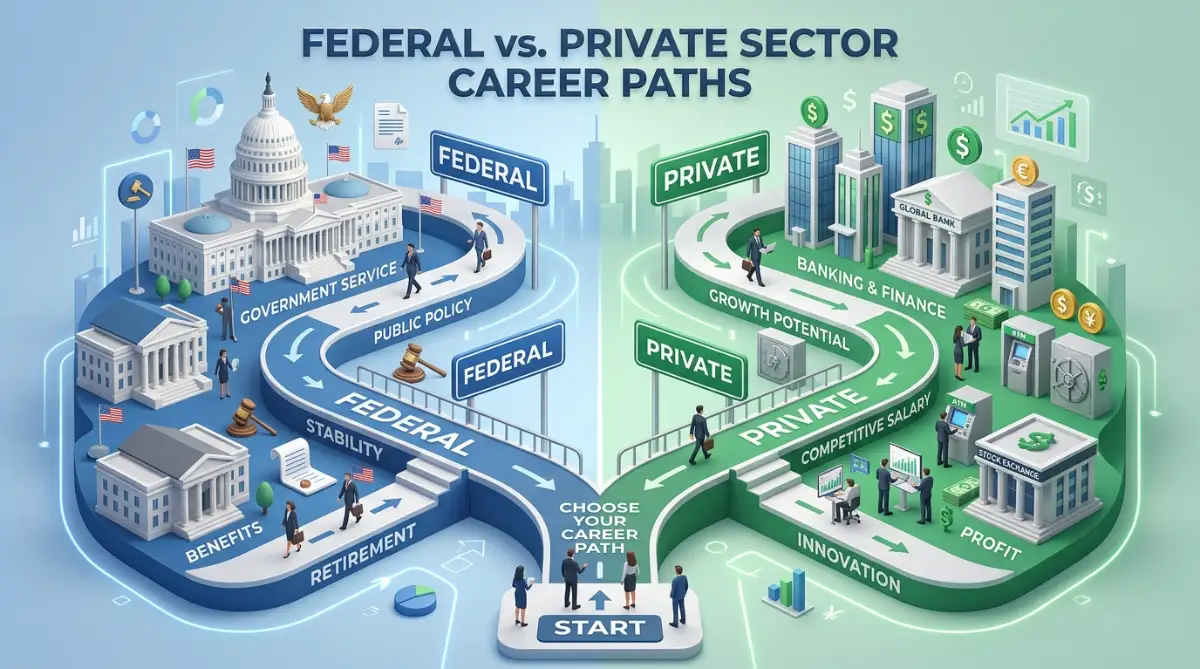
The very first thing you must do is determine if your debt is Federal or Private. Think of this as the foundation of your entire financial house. If you do not know what kind of loan you have, you cannot possibly manage it effectively.
Log into your online accounts or look at your most recent billing statement. Federal loans are funded by the government, while private loans are issued by banks or other financial institutions. You can usually tell the difference by looking at the official name of the loan.
If the loan is listed on a government website, it is almost certainly a federal loan. If you see the name of a private bank, it is likely a private loan. Write this down clearly on a piece of paper or in a note on your phone.
Step 2: Understanding the Different Rules of the Game
Federal loans follow a set of laws that apply to everyone in the program. These loans offer many protections that banks simply do not have to provide. For example, federal loans often have flexible plans that change based on your income.
Private loans are governed by the specific contract you signed with the bank. These agreements are usually much stricter and offer very few options if you run into a financial emergency. Think of federal loans as a safety net, while private loans are more like a standard business deal.
You should never assume that a private loan will offer the same help as a federal one. If you are having trouble paying, a federal loan provider might help you lower your payment. A private bank, however, might just tell you that you are required to pay the full amount regardless of your situation.
Step 3: Managing Your Options for Better Financial Health
Once you know the type of loan you have, you can start making a plan that actually works for you. If you have federal loans, you should explore the different repayment schedules available. These schedules can help you pay a smaller amount when your income is low.
For private loans, the best strategy is usually to pay as much as you can as early as you can. Because these loans often have variable interest rates, your balance can grow much faster than you expect. You want to avoid letting that interest pile up over time.
Think of this as a marathon where you need to pace yourself correctly. You do not need to pay off everything today to succeed. You just need to stay consistent with the rules of the specific program you are in.
Why You Must Keep Your Own Records
Do not rely on the bank to keep your history organized for you. It is a smart habit to save every single document, email, and letter you receive from your lender. Create a simple folder on your computer to track your progress and your payment dates.
If you ever see a mistake in your account, you will have the proof you need to fix it. This gives you the power to challenge any unfair charges or interest errors. You are the manager of your own financial life, not a passive observer.
By keeping these records, you remove the fear of the unknown. You will always know how much you owe and how many payments you have left to make. This simple, proactive habit is what separates people who stay stuck from those who build true financial freedom.
Step 4: Mastering Income-Driven Repayment Plans
If you are a visual learner, watch this quick breakdown to see exactly how these flexible repayment plans work in the real world. Once you finish the video, keep reading below to discover a hidden trick about making extra payments that saved me thousands of dollars!
If you have federal student loans, you are often eligible for what we call Income-Driven Repayment plans. These plans are a secret weapon for keeping your monthly bill manageable. Instead of paying a fixed amount, your payment is based on your current income and family size.
When your salary goes up, your payment might go up. If your income drops or you face a hardship, your payment can even drop to zero. This safety feature is a massive benefit that helps you avoid defaulting on your debt.
You must remember to recertify your income every year. If you fail to do this simple task, your monthly payment will jump back to the standard, higher rate without notice. Set a calendar reminder on your phone for this date so you never get caught off guard.
Think of this plan like a flexible fitness program for your finances. It adapts to your life instead of forcing you to struggle through a rigid routine. Using this tool wisely can save you years of unnecessary stress and help you keep your credit score healthy.
Step 5: The Power of Targeted Extra Payments
Many people think that paying extra on their loan just means "paying more money." In reality, extra payments are the fastest way to slash your interest costs. When you pay more than the minimum, you should specifically ask your lender to apply the extra amount to your principal balance.
This is a pro-level secret that most borrowers never look into. By reducing the principal, you lower the amount of money that collects interest every single day. Over time, this snowballs into massive savings that keep your debt term much shorter than planned.
My biggest regret was blindly paying the minimum amount for three years without realizing that almost all of my money was only going toward the interest. Once I finally called my lender and specifically told them to apply my extra fifty dollars a month directly to the principal balance, I saw my total debt actually start dropping for the very first time.
Try to view your debt as a high-stakes game. Every extra twenty or fifty dollars you put toward the principal is a direct win for your future self. You will see your total balance drop much faster than the automated schedule suggests.
Start by looking at your budget to see if you can trim just one small expense. Maybe you can skip a subscription service or prepare meals at home more often. Redirect that saved cash toward your loan and watch the numbers shift in your favor.
Building Long-Term Habits for Financial Success
True financial health is not built in a single day. It is built through small, consistent choices that you make every month. You need to treat your loan repayment like any other professional project.
Create a monthly "finance check-in" day for yourself. Use this time to log into your accounts, check your payment status, and verify that your contact info is correct. Being organized is the best way to keep the banks from getting the upper hand.
Do not let your debt define who you are as a person. You are a human being with goals, talents, and dreams that extend far beyond a number on a screen. By managing your loans with logic and a clear plan, you free up your mind to focus on what really matters in life.
Keep your eyes on the finish line, but stay focused on the small steps you take each day. Consistency is the only path that leads to total freedom. You are doing the hard work now so that your future self can enjoy true peace of mind.
Mistakes That Can Derail Your Progress
When you are trying to pay off debt, it is easy to fall into traps. These common errors often stem from panic or a lack of clear information. Here are the five biggest mistakes you should avoid.
1. Falling for "Debt Relief" Scams
You might see ads promising to "erase" or "forgive" your debt for a fee. These companies are not the government. They will charge you hundreds of dollars to fill out free forms you could do yourself. Never give your personal info to any firm that promises instant results.
2. Choosing the Wrong Repayment Path
Not every plan leads to the same outcome. Some plans are designed to pay off debt as fast as possible, while others focus on lower monthly bills. If you choose the wrong one, you could end up paying thousands more in interest than necessary.
3. Missing Important Notifications
Your loan servicer sends updates via email or physical mail. If you ignore these, you might miss a deadline or a notice about a change in your plan. Check your inbox weekly to ensure you are always in the loop.
4. Forgetting to Track Your Own Progress
Do not assume that the lender’s database is always perfect. They can make mistakes just like anyone else. By keeping your own simple log of payments, you can spot errors early and fix them before they grow.
5. Making Irregular or Inconsistent Payments
Some borrowers try to pay a huge amount one month and then skip the next. This creates confusion and can sometimes lead to interest spikes. Stick to your agreed-upon monthly cycle to keep your credit history clean and steady.
A Fresh Path Toward Your Future
You now have the tools and the knowledge to take control of your financial destiny. This process might seem complex at first, but it becomes simple once you break it down into steps. You are no longer just a borrower; you are now the manager of your own financial path.
Start today by organizing your files and confirming your current loan status. You are building a foundation where your hard-earned money belongs to you, not the lender. Every payment you make is a victory for your independence.
Believe in your ability to master these systems. You have already taken the hardest step by seeking out the truth. Keep your head up, follow the plan, and stay committed to the process. Your future freedom is well worth the effort you are putting in today.
Breaking free from my own student loans took a lot of patience, but the day I finally hit a zero balance, I felt a weight lift off my shoulders that I cannot even describe. You completely have the power to turn this stressful situation around and take your financial life back. Take a deep breath, pick just one small step from this guide to do today, and trust that you will definitely reach the finish line.