
The Hidden Weight of Rising Costs on Your Daily Life
The "Stay Sane" Summary
-
Audit First: You cannot fix what you don't track. Spend 30 minutes looking at your last 3 months of bank statements.
-
Automate to Survive: Set up automatic savings so you never have to "decide" to save—it just happens.
-
Kill High-Interest Debt: Credit card interest is your biggest enemy. Attack it using the "Avalanche" method.
-
Focus on Value: Stop buying cheap things that break. Spend once on quality, save over time.
Let’s be real—the price of everything is going up, and your paycheck just isn't keeping up. It’s frustrating to work hard all month only to feel like you’re falling behind. If your bank balance gives you a minor heart attack every time you check it, you’re definitely not alone. The good news? You can stop this cycle today without living on bread and water. Let’s figure out how to regain control of your money, regardless of what the economy is doing.
This constant pressure creates a heavy cloud of stress over your household. You start skipping small joys, like dining out or buying new clothes, just to keep your savings account from shrinking. It is not just about the money; it is about the loss of freedom you worked so hard to earn.
- Generic Advice: Most websites give broad tips that do not fit your unique life situation.
- Misleading Promises: You often find "get rich quick" schemes that only drain your limited resources.
- Overwhelming Jargon: Complex financial terms make simple concepts feel impossible to understand.
- Lack of Action: Many guides tell you what to do but never show you how to start today.
- Constant Anxiety: You find yourself worrying about the future instead of enjoying the present moment.
- Reduced Confidence: When you struggle to manage your own money, you start to doubt your own decision-making skills.
- Social Withdrawal: You may avoid friends or family activities to hide your financial stress.
- Strained Relationships: Money issues are a leading cause of tension and arguments in families.
You deserve to stop feeling like a victim of the economy. High costs are a reality, but they do not have to dictate your entire future. When prices rise, the most powerful tool you have is your own spending behavior. You cannot control the global market, but you have full power over your daily financial choices.
Taking charge is not about deprivation or living a miserable life. It is about aligning your spending with what actually brings you value. By changing your mindset from "scarcity" to "strategy," you regain your footing. You will start to see that even small shifts lead to big results over time.
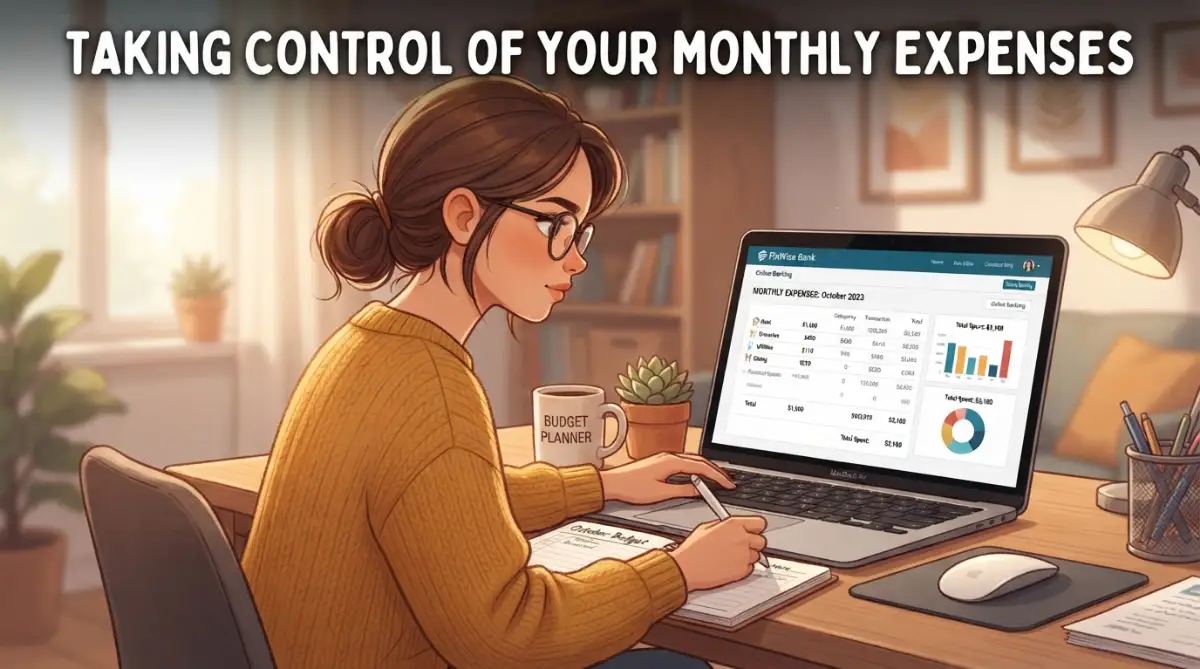
Step 1: Conduct a Brutal Financial Audit

The first move toward stability is knowing exactly where every penny goes. You cannot fix a leak if you do not know where the pipe is broken. Start by gathering your last three months of bank statements. Do not guess your spending; use the actual data.
Categorize every expense into two simple groups: Needs and Wants. Your needs are housing, utilities, basic food, and essential transportation. Everything else, from streaming services to takeout coffee, falls into the wants category.
If you aren't sure if something is a "Need" or a "Want," ask yourself: "If I lost my job tomorrow, would I still pay for this?" If the answer is no, it’s a Want. Be honest with your answers—it's the only way to find those extra dollars you didn't know you had.
Be honest with yourself during this process. Many people find hidden subscriptions or small daily expenses that add up to hundreds each month. Cutting these out is the fastest way to increase your monthly cash flow without needing a pay raise.
Step 2: Build a Defensive Budgeting System
My 50/30/20 Strategy in Action:
-
50% Needs: Rent, groceries, electricity, internet.
-
30% Wants: Hobbies, dining out, streaming, that extra coffee.
-
20% Future: Paying off debt or building your emergency savings.
-
Stuck? If your "Needs" are over 60%, your goal for the next 3 months is just to bring that down by 1% at a time. Small, boring wins are the only ones that last.
Once you see your numbers, build a budget that acts as a shield. Use the 50/30/20 rule as a baseline for your income. Allocate 50% for needs, 30% for wants, and 20% for savings or debt repayment.
If inflation has made your "needs" portion exceed 50%, do not panic. This is your sign to aggressively trim the wants until the balance shifts back. Use a simple spreadsheet or a pen and paper if apps feel too complicated.
The goal is to give every single dollar a job before the month begins. When you track your money, you stop wondering where it went. You start telling your money where to go instead.
Step 3: Prioritize High-Interest Debt Liquidation
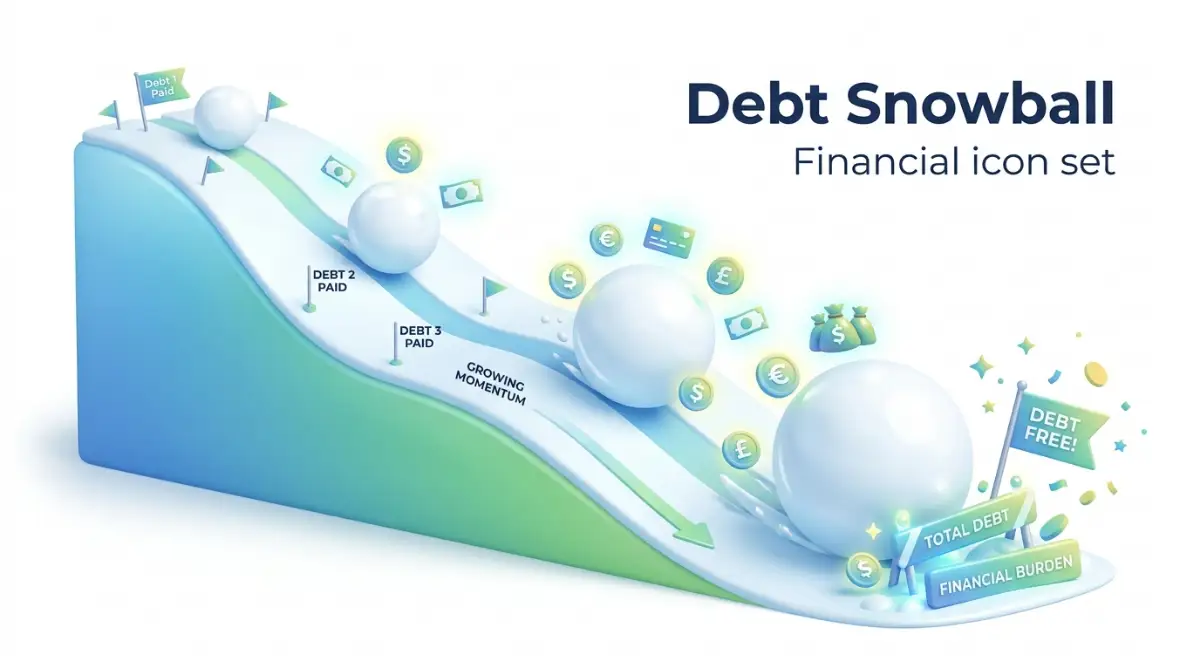
High inflation often comes with higher interest rates on loans and credit cards. If you carry debt, it is a leaking bucket that loses value every single day. Make it your mission to pay off high-interest debt immediately.
Use the Debt Avalanche method to save the most money. List your debts from the highest interest rate to the lowest. Throw every extra dollar you have at the one with the highest rate while making minimum payments on the others.
This stops the compounding interest from eating away at your wealth. By clearing these debts, you free up monthly cash. This newly found money becomes your safety net during tough economic times.
Step 4: Automate Your Path to Financial Safety
Once you have secured your base, the next move is to build a wall against future stress. The best way to do this is by automating your savings. When you rely on willpower alone, you will eventually spend money you intended to save.
Set up an automatic transfer from your checking account to a savings account on the day you get paid. Even if it is a small amount, the consistency matters more than the size. Treat this transfer like a fixed bill that must be paid.
Think of this as paying your "future self" before you pay anyone else. When the money is moved automatically, you learn to live on what remains in your account. You can learn more about managing personal budget to see how small habits change your total net worth.
Step 5: Shift Your Money Mindset for Long-Term Growth
To survive in an economy where prices change, you must change how you view products. Stop buying items based on their price tag alone. Instead, look at the value and longevity of the purchase.
A cheaper item that breaks in a month is much more expensive than a quality item that lasts for years. This is the cost-per-use strategy. When you buy fewer, better things, you stop the cycle of constant replacement.
You should also look for ways to earn extra cash using your current skills. The Investopedia guide on financial planning suggests that diversifying income is the best hedge against inflation. Even a small side project can provide the buffer you need to sleep better at night.
Maintaining Your Progress for the Future
Staying on track is not a one-time event; it is a way of life. You must perform a monthly check-in to ensure your spending still aligns with your goals. If you find your progress slipping, do not be too hard on yourself.
Life changes, and your budget should change with it. The key is to stay flexible while keeping your core rules in place. If you ever feel like you are losing control, simply go back to your initial audit.
Review your student loan balance or any other debt obligations to see where you stand. Remember that transparency with your own data is the best way to maintain long-term success. You are the architect of your own peace of mind.

The Most Common Traps You Must Avoid
Many people want to fix their money issues fast, but they stumble into these common pits. Avoiding these mistakes will save you a lot of headache.
Ignoring Small Leaks
People often ignore "small" expenses like daily snacks or digital subscriptions. Over a month, these pennies turn into large bills that break your budget. Track everything, because small leaks eventually sink a big ship.
Panic Selling of Assets
When the economy feels shaky, people often sell their investments out of fear. This is usually the wrong move. If you have solid investments, stay the course rather than reacting to temporary market swings.
Failing to Check Your Credit
Most people only look at their financial health when they need a loan. This is risky because errors can hide in your records for years. Always keep an eye on your reports to prevent identity theft or reporting mistakes.
Relying on Credit for Needs
Using credit cards to pay for basic living costs is a recipe for disaster. You end up paying interest on top of the already inflated price of goods. Use credit only if you can pay it off in full every single month.
Neglecting Emergency Funds
You might think you do not have enough money to save for an emergency. However, even a small fund prevents you from needing a high-interest loan when life goes wrong. According to Forbes, having a safety net is your best defense against unexpected costs.
Taking Control of Your Financial Destiny
You have already taken the hardest step, which is deciding to take action. Financial security is not a destination; it is a continuous practice of making smart choices. You now have the tools to audit, budget, and protect your hard-earned money.
It is normal to feel nervous when you start this journey, but you will soon feel empowered. Every dollar you manage correctly is a win for your future. Keep your eyes on the long-term goal rather than the daily noise of the economy.
Do not let the fear of what you cannot control stop you from fixing what you can. Start your audit today and see how quickly your outlook changes. If you are ever worried about your debt path, consider learning the mistakes to avoid when applying for a student loan to ensure you stay protected.
Your commitment to this process will pay off in ways you cannot yet imagine. You have the power to create stability for yourself and your loved ones. Believe in your ability to grow, stay disciplined, and always prioritize your peace of mind.