Your Quick Recovery Blueprint
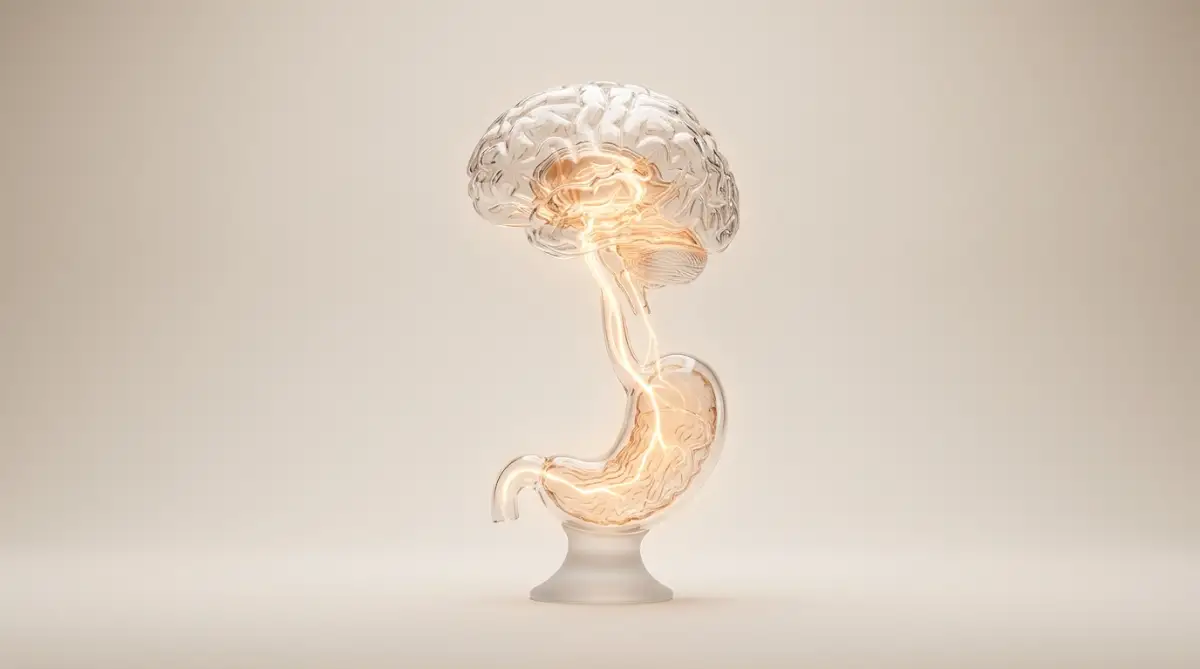
- The Survival Loop: Your body locks your muscles and tightens your jaw when your brain feels constant stress.
- The Midnight Alarm: Waking up at 3 AM is not random; it is a sudden spike of stress hormones.
- The Gut Shutdown: Your digestive system actively stops working when your mind is busy fighting life's emergencies.
- The Simple Truth: True recovery is about making tiny, daily lifestyle changes, not buying magic supplements.
The Heavy Reality: Why Your Daily Life Feels Like an Endless Marathon
Let us be totally honest for a second. If you are reading this right now, you are probably tired of dragging your body through the day on pure willpower. I know that exact feeling of heavy eyelids, tight shoulders, and a foggy brain that just will not clear up. Before you blame yourself or drink another giant cup of coffee, you need to understand why your inner battery is completely drained.
You drag yourself to the kitchen, pour an extra-large cup of strong coffee, and hope the caffeine will somehow shock your system back to life. But the deep tiredness never truly goes away. You are surviving on purely nervous energy, and you feel entirely trapped inside your own mind.
Every single small task feels like moving a giant mountain. Replying to a simple text message from a friend takes too much effort, so you just ignore it. You quietly wonder if you will ever feel normal, happy, and energized again.
Why the Internet's Advice Is Actually Making You Worse
When you desperately search online for ways to fix your fatigue, you find a massive amount of terrible advice. Social media influencers and fitness gurus often share toxic ideas that completely ignore human biology. Here is exactly how bad information is secretly destroying your health:
- You fall for the "hustle culture" trap: Motivational speakers tell you to simply push through the pain and work harder. They make you feel guilty for needing rest, which forces your body into a deeper state of panic.
- You rely on fake energy boosters: You waste huge amounts of money on trendy energy drinks and random supplements. These products just spike your heart rate temporarily and leave you crashing harder a few hours later.
- You try extreme workout routines: Fitness blogs tell you that a high-intensity morning workout will fix your sluggish mood. Instead, this intense physical stress completely drains whatever tiny bit of energy you had left.
- You ignore the biological root cause: People tell you to just "think positive" and drink more water. Because they ignore how your nervous system actually works, you miss the severe internal inflammation happening inside you.
The Hidden Way Exhaustion Destroys Your Mental Peace
The physical pain of being tired is terrible, but the mental damage is often much harder to carry. When your internal battery is completely empty, your confidence slowly begins to shatter.
- You constantly snap at the people you love: Because your nerves are completely fried, a simple question from your partner or child makes you feel irrationally angry.
- You develop intense imposter syndrome: Your brain fog makes it hard to focus at work. You start believing you are secretly terrible at your job and that everyone is judging you.
- You abandon your favorite hobbies: The things that used to bring you pure joy, like reading or gardening, now feel like boring chores.
- You isolate yourself completely: You cancel plans at the last minute because the thought of smiling and making small talk feels entirely impossible.
- You lose deep trust in your own body: You feel deeply betrayed by your own physical health, leaving you highly anxious about your future.
Imagine driving a car down the highway with the emergency brake pulled all the way up. The engine is roaring, the tires are smoking, and the entire vehicle is shaking violently. You are pressing the gas pedal as hard as you can, but you are barely moving forward.
This is exactly what happens when you push through severe stress without letting your nervous system recover. Your brain is desperately pulling the emergency brake to protect you from a total breakdown. If you keep pressing the gas pedal, the engine will eventually catch fire.
You are not lazy, and you are not lacking motivation. Your biology is simply working perfectly to keep you safe from a dangerous level of stress. To fix this, we have to stop blaming your willpower and start healing your internal alarms.
The Science of Recovery: 3 Proven Ways to Reset Your Overloaded System
To heal your broken energy levels, we must first unlearn the harmful lies we have been taught. It is time to replace self-blame with actual, scientific education.
We are going to break down the first three massive physical signals your body sends before a total crash. Once you learn how to read these specific biological signs, you can easily reverse the damage.
Signal 1: The 3 AM Wide-Awake Phenomenon
This is one of the most common and frustrating early signs of an approaching burnout. You fall asleep easily around 10 PM because you are so physically exhausted. However, your eyes suddenly snap open exactly at 3:00 AM, and your heart is beating unusually fast.
You lay there staring at the dark ceiling, trying desperately to fall back asleep. But your brain instantly starts running through a list of embarrassing memories and tomorrow's massive to-do list. Your body feels completely exhausted, yet your mind is running a high-speed race.
Medical science calls this a disruption of your Cortisol Awakening Response (CAR). Cortisol is often called the "stress hormone," but it is actually your body's natural alarm clock. In a healthy person, cortisol slowly rises around 6 AM to gently wake them up for the day.
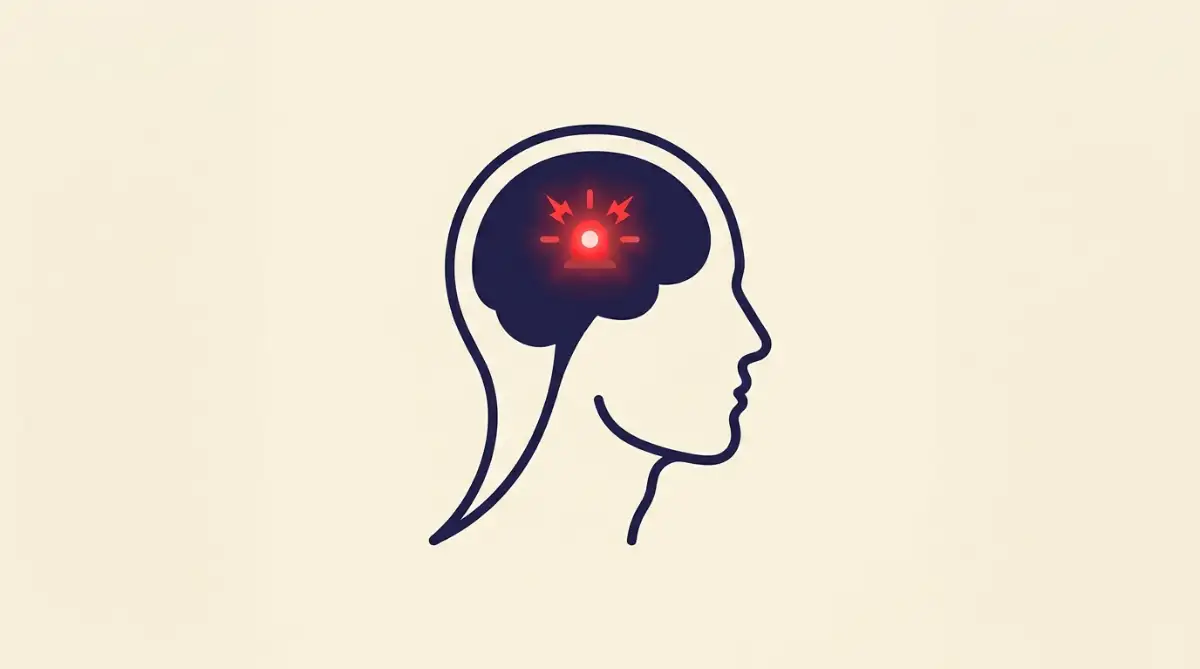
A premium, minimalist vector graphic showing a stylized human head profile on a soft cream-colored background. Inside the head, a small glowing red warning light is flashing, indicating system overload. The design is modern, elegant, with clean lines and plenty of negative space, perfect for a high-quality wellness blog. Strictly no text or letters in the image.
A premium, minimalist vector graphic showing a stylized human head profile on a soft cream-colored background. Inside the head, a small glowing red warning light is flashing, indicating system overload. The design is modern, elegant, with clean lines and plenty of negative space, perfect for a high-quality wellness blog. Strictly no text or letters in the image.
When you are deeply stressed for long periods, your internal clock becomes highly confused. Your brain thinks you are in constant danger, like a broken smoke alarm that goes off when there is no fire. It pumps out a massive dose of cortisol in the middle of the night, forcing you awake to fight a danger that does not exist.
Your Action Plan for Today:
Stop fighting the wakefulness by staring angrily at your clock. You need to show your brain that you are completely safe so it can turn off the false alarm.
- Never look at your phone: The bright blue light from your screen will instantly tell your brain that the sun is up. This completely destroys your natural melatonin production for the rest of the night.
- Do a brain dump: Keep a simple paper notebook on your nightstand. If you wake up panicking about tasks, write them all down immediately to clear up mental space.
- Regulate your blood sugar: Sometimes a 3 AM wake-up is caused by a massive drop in overnight blood sugar. Try eating a small spoonful of almond butter before bed to keep your internal energy perfectly stable.
The 3 AM Sleep Truth
- The Myth: Waking up at 3 AM means you need to buy expensive sleeping pills.
- The Reality: Your liver is likely running out of stored sugar, or your brain is pumping stress hormones because it thinks you are in danger.
- Your Real Fix: Avoid looking at any screens after 9 PM and eat a handful of raw pumpkin seeds before bed to keep your blood sugar steady.
Signal 2: The Strange Case of "Tired but Wired" Energy
Have you ever felt so exhausted that your bones hurt, but the moment you lie down, you cannot relax? You feel a strange, buzzing electric energy humming right beneath your skin. You are deeply tired, but your physical body simply refuses to shut down.
This completely contradicts normal human logic. If you are tired, you should easily be able to sleep or sit quietly on the couch. However, when you are nearing a severe burnout, your nervous system gets permanently stuck in "fight or flight" mode.
Think of a small child who has played outside all day long. They are clearly exhausted, rubbing their eyes and crying over small things. But if you try to put them in bed, they run around the room screaming because they are entirely overstimulated.
Your adult nervous system does the exact same thing when it handles too much data. Your adrenal glands are constantly pumping adrenaline into your bloodstream just to help you survive the workday. By the time you get home, your body has forgotten how to use its natural "brake pedal."
Your Action Plan for Today:
You cannot force an overstimulated body to instantly relax. You must gently guide your nervous system back down to a calm baseline.
- Create a transition zone: Do not jump straight from stressful work emails to sitting silently on the couch. Take a ten-minute transition walk outside to signal to your brain that the workday is officially over.
- Practice deep sighing: Medical experts call this the "physiological sigh." Take two quick breaths in through your nose, followed by a long, slow exhale through your mouth to quickly lower your heart rate.
- Limit artificial dopamine: Stop scrolling through short, highly stimulating social media videos when you feel wired. Read a physical book or listen to calm instrumental music to stop feeding your brain cheap, fast information.
Signal 3: Unexplained Muscle Tension and Jaw Clenching
You might notice that you are getting terrible headaches right at the base of your skull almost every afternoon. Or perhaps your dentist recently told you that you are grinding your teeth badly while you sleep. You might even catch yourself sitting at your desk with your shoulders pulled tightly up to your ears.
Many people think this is just a sign of having a bad pillow or needing a new mattress. In reality, chronic muscle tension is one of the loudest warning signs of severe emotional overload.
When your brain perceives a heavy amount of emotional stress, it physically prepares your body to take a punch. It tightens your jaw, stiffens your neck, and locks your shoulders to protect your delicate spine. Your body is literally wearing invisible armor to protect you from your stressful life.
The problem is that you never take this armor off. You carry this intense physical tension while typing emails, driving your car, and even while watching a movie. Over time, this constant clenching severely restricts healthy blood flow and causes deep, chronic pain.
Your Action Plan for Today:
You cannot just ignore the pain and take simple painkillers. You have to consciously teach your muscles how to let go of the physical armor.
- Set a posture alarm: Put a gentle reminder on your phone for every two hours. When it rings, consciously drop your shoulders away from your ears and unclench your back teeth.
- Use targeted heat therapy: Before going to bed, place a warm heating pad or a warm damp towel over your neck and shoulders. The gentle heat naturally expands your blood vessels and forces the tight muscles to finally relax.
- Practice progressive relaxation: Lie flat on your back and tightly squeeze the muscles in your toes for five seconds, then release. Slowly work your way up your entire body to physically prove to your brain that it is safe to let go.
Mastering Your Internal Battery: Advanced Strategies for Deep Healing
This brings us to the more advanced physical warning signs of a complete system crash. If you can catch these two specific biological signals early, you can stop a major health crisis before it happens. Let us explore how your stomach and your memory are secretly begging for your help.
Signal 4: The Sudden Collapse of Your Digestive System
Have you noticed that your stomach is suddenly upset every single time you eat? You might experience severe bloating, unexpected food allergies, or random stomach cramps after a normal meal. Many people run to the doctor for expensive allergy tests, completely missing the real issue.
Your gut and your brain are directly connected by a massive communication cable called the vagus nerve. When your brain is deeply stressed, it sends a direct panic signal straight down into your stomach. Your body believes you are being chased by a wild animal.
If you are running from a bear, your body does not care about digesting your lunchtime sandwich. It instantly pulls all the healthy blood flow away from your stomach and sends it to your leg muscles so you can run. Your digestive system completely shuts down to save energy.
If you live in a constant state of work-stress, your digestion is constantly turned off. Food just sits heavily in your stomach, causing terrible acid reflux, gas, and inflammation. You cannot heal your gut with expensive probiotic pills if your brain is still in survival mode.
Your Pro-Level Action Plan:
You have to manually signal safety to your stomach before you take your first bite of food. Digestion requires a calm and relaxed nervous system to function properly.
- The Five-Minute Rule: Never eat your lunch while aggressively typing emails at your desk. Step away, take five deep breaths, and let your body know the work emergency is paused.
- Chew your food excessively: Digestion actually begins in your mouth, not your stomach. Chew every single bite twenty times to break the food down easily, reducing the heavy workload on your tired gut.
- Eat warm, cooked foods: Raw salads take a massive amount of internal energy to break down. Switch to warm soups, stews, and roasted vegetables, which are incredibly soothing and easy on a stressed digestive system.

Signal 5: The "Goldfish Memory" and Severe Brain Fog
You walk into a room and instantly forget why you went in there. You struggle to remember a simple word during a normal conversation. You find yourself rereading the exact same email paragraph five times without understanding a single sentence.
You start to panic, wondering if there is something seriously wrong with your brain. But this severe brain fog is actually a classic symptom of chronic emotional overload. Your brain is simply running out of processing power.
Think of your brain like a computer. If you open fifty heavy software programs at the exact same time, the computer will freeze and the cooling fan will spin loudly. Your brain works the same way when you are juggling too many stressful thoughts at once.
When cortisol floods your brain for months at a time, it actually shrinks a tiny part of your brain called the hippocampus. This is the exact area responsible for creating and storing new memories. Your brain is physically altering its shape to deal with your overwhelming lifestyle.
Your Pro-Level Action Plan:
You need to close out the extra mental tabs to give your computer a chance to cool down. You must aggressively protect your mental focus.
- Stop heavy multitasking: The human brain is not designed to do three things at once. Focus on one single task for twenty minutes, complete it, and then move on.
- Write everything down instantly: Do not rely on your tired memory to hold onto grocery lists or meeting times. Use a simple pocket notebook to capture thoughts, instantly removing that heavy burden from your active memory.
- Protect your morning clarity: Do not check the daily news or your social media feeds for the first hour after waking up. Let your brain boot up slowly without instantly filling it with stressful, negative information.
How to Maintain Your New Found Energy for Life
Healing from deep exhaustion is not a quick weekend project. Once you start feeling better, the biggest challenge is making sure you never fall back into the same dark hole. You must create a lifestyle that actively protects your personal energy.
I like to call this practicing the "80 Percent Rule." Never drain your daily energy battery all the way down to zero. Always leave at least twenty percent of your energy in the tank at the end of the day.
If you have a massive project at work, do not stay until midnight burning yourself out. Stop working when you still have just a little bit of focus left. This remaining energy is what your body uses overnight to repair your cells and build your resilience for tomorrow.
Learn to say "no" without feeling guilty. Every time you say yes to a dinner party you do not want to attend, you are saying no to your own recovery. Protecting your peace is the most productive thing you will ever do for your long-term health.

The Hidden Traps: 5 Dangerous Mistakes That Ruin Your Recovery
When people finally realize they are burning out, they often panic and try to fix it instantly. Because they are rushing, they fall into very common, dangerous traps. These mistakes will actually push you much deeper into exhaustion.
If you want to heal your internal alarms safely, you must carefully avoid these specific roadblocks. Let us expose the five biggest mistakes you are probably making right now.
1. Relying heavily on caffeine to survive the day
When you wake up exhausted, drinking three cups of strong coffee feels like the only logical answer. However, caffeine does not actually give you new energy. It simply blocks your brain from feeling how tired you truly are.
Using caffeine to fix exhaustion is exactly like using a credit card to pay off another credit card. You are simply borrowing energy from tomorrow, and eventually, the massive debt comes due. When the caffeine wears off, you will experience an energy crash that is twice as painful.
2. Falling into "Revenge Bedtime Procrastination"
You spend your entire day serving other people. You work for your boss, care for your family, and run endless errands. By the time 10 PM rolls around, you desperately want some free time just for yourself.
Instead of going to sleep, you stay up until 2 AM watching silly videos on your phone. Psychologists call this revenge bedtime procrastination. You are sacrificing your deep healing sleep just to feel a tiny sense of control over your own life. This creates a vicious cycle of waking up exhausted the next day.
The 10-3-2-1-0 Rule
- 10 Hours Before Bed: Stop consuming all caffeine.
- 3 Hours Before Bed: No more heavy meals or alcohol.
- 2 Hours Before Bed: No more active work tasks or stressful emails.
- 1 Hour Before Bed: Turn off all phones, TVs, and tablets.
- 0: The number of times you should hit the snooze button in the morning.
3. Punishing your body with intense workouts
Many fitness magazines claim that doing heavy cardio will sweat out your stress. So, you force your tired body to do a high-intensity interval training (HIIT) class. This is one of the worst things you can do to a burned-out nervous system.
Heavy exercise is a massive form of physical stress. If your stress bucket is already overflowing from work and life, adding an intense workout will make the bucket spill over. Switch to gentle yoga, slow walking, or light stretching until your natural energy fully returns.
4. Isolating yourself completely from the world
When you are severely tired, hiding in your bedroom feels incredibly safe. You stop replying to messages and push your closest friends away. While rest is deeply important, total isolation is actively harmful to your mental health.
Humans are biological pack animals. We actually regulate our nervous systems by being around safe, loving people. Instead of hiding, invite a close friend over for a quiet cup of tea. You do not need to entertain them; just being near someone you trust will lower your heart rate.
5. Searching for a magical "Quick Fix" supplement
When you feel terrible, it is tempting to buy fifty dollars worth of "adrenal support" gummies from the internet. You hope a magical pill will fix months of chronic stress in just three days. This is a complete waste of your financial resources.
No supplement on earth can out-work a highly toxic lifestyle. You cannot take a pill to fix the fact that you are sleeping four hours a night and eating processed food. Save your money and invest it in high-quality whole foods, a better mattress, and more free time.
Your New Chapter: Taking Back Control of Your Life Today
You have just uncovered the deep, biological truths about why your body is fighting against you. You now know that your extreme fatigue, upset stomach, and brain fog are not signs of weakness. They are brilliant, protective signals from a body that is trying desperately to save your life.
Please stop being so incredibly hard on yourself. You are navigating a highly demanding modern world, and it is completely normal to feel overwhelmed. The fact that you are reading this means you are ready to make a positive, lasting change.
You do not need to change your entire life by tomorrow morning. Pick just one single habit from this guide to start today. Maybe you will start chewing your food more slowly, or perhaps you will leave your phone out of the bedroom tonight.
Every small step you take is a powerful message of love and safety to your nervous system. Listen to the gentle whispers of your body today, and I promise you will not have to hear it scream tomorrow.