
The Hidden Trap of Home Financing
Quick Wins: How to Secure Your Loan
- Credit Hygiene: Dispute errors on your report at least 3 months early.
- Debt Control: Keep your Debt-to-Income (DTI) ratio below 36% for the best rates.
- Cash Flow Freeze: Do not make any large purchases or switch jobs during the application process.
- Documentation: Maintain a cloud-based folder with your last 3 months of pay stubs and tax returns.
Let's be real—getting denied for a mortgage hurts. You finally find the perfect place, start mentally placing your furniture in the living room, and then bam... the bank says no. I see so many buyers make the exact same simple paperwork mistakes right before they apply. Today, I want to show you how to beat the banks at their own game and get your loan approved without the headache.
You spend weeks finding the ideal property, only to watch your dream slip away because of a small paperwork error. This sudden setback shatters your excitement and leaves you feeling completely helpless.
I will never forget the crushing feeling of getting a rejection letter for my first home because of a tiny credit mistake I did not even know existed. I spent days feeling completely defeated, wondering if I would ever be able to move out of my cramped apartment. It took me a long time to realize that the banking system is not trying to punish me; I just needed to learn their rules and play the game right.
- People often rely on outdated advice from friends instead of checking actual bank guidelines.
- They assume their savings are enough, completely ignoring hidden debt-to-income ratios.
- Misinformation online leads them to apply blindly without fixing basic financial blemishes first.
- Constant rejections drain your mental energy and leave you second-guessing your financial stability.
- The endless cycle of paperwork creates severe anxiety every time you wait for an email from the bank.
- You lose trust in the banking system, feeling like homeownership is designed only for a privileged few.
mortgage denial runs much deeper than just a delayed purchase. It shakes your self-confidence and strains relationships with your family members who shared your excitement. You start questioning your worth and your ability to manage money correctly.
Fixing this requires stepping back, calming your nerves, and understanding the exact traps that derail most buyers. Let us walk through the practical steps you need to take right now to secure your financial standing.

Step-by-Step Guide to Protect Your House Loan Application
What You Need to Know Before Applying (Quick Summary):
-
Pull your credit report 3 to 6 months early to fix any hidden errors.
-
Freeze all your spending—do not buy a car or new furniture until you get the keys.
-
Keep your debt-to-income ratio below 36% for the best interest rates.
-
Save an extra cash buffer on top of your standard down payment to cover emergency closing costs.
Step 1: Check and Fix Your Credit Report Early

Your credit score acts as the digital mirror of your financial habits. Banks look at this number first before trusting you with a massive amount of money.
Many buyers ignore minor errors on their credit reports until it is too late to fix them. You must pull your official credit report months before talking to any lender.
Look closely for old billing mistakes, closed accounts showing active balances, or identity mix-ups. Dispute these errors immediately because correcting them takes time and patience.
Think of your credit report like a medical checkup before running a marathon. You would never run a race with an untreated injury, so do not face a lender with a messy credit history.

Keeping your credit card balances low compared to your credit limits boosts your score naturally. Aim to keep your utilization rate below thirty percent to show lenders you handle credit responsibly.
Should I close my old credit cards before applying?
Absolutely not! I used to think closing zero-balance cards would make me look better to banks. But doing that actually shrinks your total available credit and shortens your credit history. Keep those old cards open, just put them in a drawer and do not use them.
Step 2: Stop Making Major Financial Changes
| Action | Impact on Loan Approval | Why it Matters |
| :--- | :--- | :--- |
| Changing Jobs | High Risk | Lenders fear income instability. |
| Buying a Car | Moderate Risk | It increases your DTI ratio immediately. |
| Co-signing a Loan | High Risk | You are liable for their debt, not just yours. |
Consistency is the secret language that banks love to he
ar. Changing jobs, buying a new car, or opening fresh credit lines right before applying sends huge warning signals.
Lenders want to see stability over a predictable period. If you switch careers or start a freelance business on the side, underwriters get nervous about your steady income flow.
Postpone any big purchases until after your house loan gets fully approved and the keys are in your hand. Buying furniture or electronics using store credit cards can instantly drop your credit score.
My absolute biggest mistake was buying a brand-new couch on store credit while my mortgage was still being processed. That single choice tanked my credit score and almost caused the bank to cancel my loan at the very last minute! Now, I always warn people to freeze their spending completely until the keys are physically in their hands.
Imagine trying to balance a tall stack of plates while someone keeps shaking the table. That is exactly what opening new debts does to your financial profile during an active loan review.
Keep your bank accounts steady and avoid moving large sums of money around without a clear paper trail. Lenders trace every single dollar entering or leaving your accounts to verify your financial origins.
Step 3: Calculate Your Real Debt-to-Income Ratio
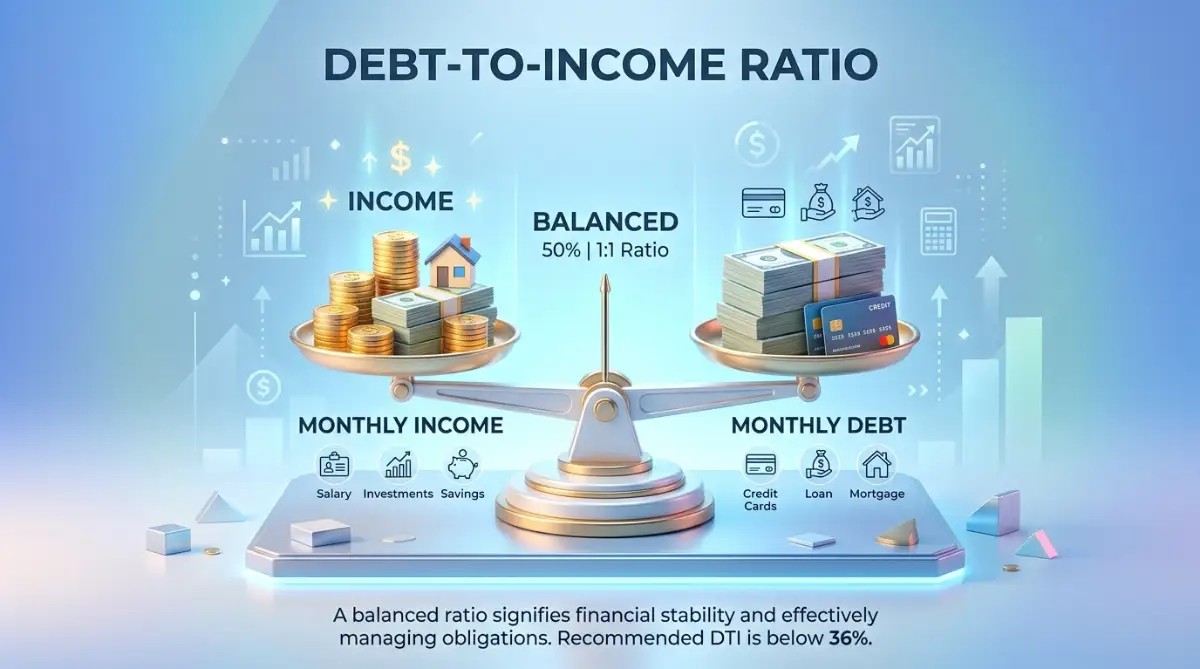
If the math behind Debt-to-Income ratios feels confusing, you are definitely not alone! Watch this simple video breakdown to learn how to calculate your exact numbers in minutes, and then keep reading to find out how much cash you really need to save up.
Many applicants look only at the monthly mortgage payment and assume they can easily afford it. They completely forget about existing car loans, student debts, and credit card minimums.
Banks use a strict formula called the debt-to-income ratio to measure your repayment capacity. If your current debts eat up more than a safe percentage of your monthly earnings, lenders will turn you down.
Add up all your fixed monthly debt obligations and divide them by your gross monthly income. If that percentage is too high, you must pay down smaller debts before applying.
Think of your income as a bucket of water and your debts as holes leaking that water out. If too many holes exist, the bucket empties out long before you can fill your house loan requirements.
Focus on clearing out smaller credit card balances entirely rather than just making minimum payments. This smart action reduces your monthly liabilities and makes your application look remarkably attractive to underwriters.
How DTI Works in Plain English
Let's say you make $5,000 a month before taxes.
-
Car Payment: $350
-
Student Loan: $200
-
Minimum Credit Card Payments: $100
-
Estimated New Mortgage: $1,200
-
Total Debt: $1,850
Your DTI is $1,850 divided by $5,000, which equals 37%. Most lenders want this number under 43%, so in this scenario, you are safe!
Step 4: Build a Solid Down Payment Buffer
Myth vs. Fact:
- Myth: "I need 20% down to get a loan."
- Fact: Many lenders offer programs with 3-5% down. Don't drain your emergency savings to hit an arbitrary 20% mark if it leaves you with zero cash buffer.
Having a large savings reserve acts as your strongest shield during the house loan process. Lenders look closely at your liquid cash to ensure you can handle unexpected emergencies after buying the home.
If you scrape together just the minimum required down payment, you leave zero room for error. You must aim to save extra funds that remain untouched strictly for closing costs and moving fees.

Building this buffer takes time, strict budgeting, and smart lifestyle adjustments over several months. You can learn more about managing your funds effectively by reading this guide on managing personal budget.
When you show lenders a healthy cash reserve, their trust in your application multiplies instantly. They realize that a sudden job drop or medical bill will not instantly force you into a mortgage default.
Step 5: Master the Art of Document Preparation
Paperwork chaos destroys more loan applications than low credit scores ever do. Lenders require a clean, transparent paper trail for every single dollar moving through your hands.
Gather your tax returns, pay stubs, and bank statements months before you submit any official application. Organize them into neat digital folders so you can respond to bank requests within hours.
If a lender asks for clarification on a cash deposit, you must have an immediate paper explanation. Missing documents stall the approval process and sometimes force lenders to cancel your file completely.
Think of your paperwork as a courtroom trial where you must prove your innocence beyond doubt. Every bank statement serves as a witness backing up your claim of financial honesty.
Double-check every single number on your forms to avoid matching errors that trigger fraud alerts. As noted in resources discussing how one wrong digit on your credit report can sink your score, accuracy matters tremendously.

Dangerous Traps That Will Derail Your Loan Approval
Applying for a house loan feels overwhelming, and small missteps can cost you thousands of dollars. Let us look at the five major pitfalls you must dodge at all costs.
- Closing existing credit cards right before applying: Closing old accounts shortens your credit history length and hurts your overall score instantly. Keep those old accounts open with zero balances instead of shutting them down.
- Co-signing loans for friends or family members: When you co-sign a loan, that massive debt counts directly against your own borrowing capacity. Lenders will view you as responsible for that debt, even if someone else makes the payments.
- Changing jobs within the same industry without research: Moving to a commission-based role or a new freelance setup creates income instability in the eyes of underwriters. Stick to a stable W-2 income structure until your mortgage paperwork is finalized.
- Ignoring hidden bank fees and loan terms: Failing to read the fine print can land you in massive financial trouble later on. You can protect yourself by understanding hidden costs, similar to the principles found in this guide on 7 sneaky loan fees lenders hide.
- Shopping for furniture using new store credit: Opening retail credit lines right before closing triggers a hard inquiry and drops your score. Wait until the house deed transfers completely to your name before buying new couches.
Allowing these traps to catch you off guard can delay your home purchase by months or years. Protecting your financial profile requires constant vigilance and disciplined daily spending habits.
Your Path to a Stress-Free Homeownership Journey
Preparing for a house loan takes immense patience, careful planning, and absolute financial honesty. When you avoid these major mistakes, you turn a stressful process into a smooth victory.
Take control of your financial habits starting today by checking your credit and organizing your documents. Your future self will thank you for the hard work and discipline you invest right now.
Step into the real estate market with total confidence, knowing your financial foundation stands rock solid. Your dream home is closer than you think, provided you take the right steps today.
I promise you that all this stressful paperwork and endless waiting will fade away the moment you finally step through your own front door. Do not let fear or past mistakes hold you back from owning your own space. Take a deep breath, start organizing your files today, and get ready to claim the keys to your new home!