Quick Wins for Your Tax Strategy
- Know Your Type: Confirm immediately if your funding is debt (deductible) or equity.
- Log Every Cent: Even small processing fees can lower your tax bill if you track them.
- Stay Ahead: Don't wait for year-end; review your repayment data every single quarter.
- Stay Proactive: Build a direct relationship with a tax pro who knows alternative finance.
The Hidden Weight of Alternative Funding
I still remember the night I sat at my kitchen table, staring at a massive pile of loan documents while my cold coffee sat untouched beside me. I had finally secured the funding my business desperately needed, but instead of celebrating, I was paralyzed by the fear of how I was going to handle the taxes when April rolled around. It felt like I had traded one problem for another, and I spent way too many nights losing sleep over the "what ifs." I realized then that if I didn't get a grip on my tax strategy, this funding would end up hurting me more than it helped.
You just secured the funding your business needs, and the weight on your shoulders finally feels lighter. But then, the thought of tax season creeps in, turning that excitement into worry. Let’s clear the fog and make sense of how alternative funding actually affects your tax bill, so you can stop stressing and start focusing on growth. Many business owners feel a sudden rush of relief when they secure alternative funding. You finally have the working capital needed to grow or stabilize your operations. However, this relief often turns into stress once tax season approaches.
You may find yourself staring at complex statements without a clear understanding of your obligations. The money that seemed like a simple solution now feels like a potential tax trap. This uncertainty creates a heavy burden on your daily focus. Instead of growing your business, you spend hours worrying about unexpected tax bills. The initial joy of funding is replaced by a lingering fear of non-compliance. This is a common struggle, but you do not have to face it alone.
Why Many People Fall Into Tax Traps
The path to financial clarity is often blocked by misinformation and confusing advice. You might rely on outdated articles or hear rumors from peers. Here is why many people struggle to find the right solutions:
- Reliance on generic advice: Many sources offer one-size-fits-all answers that do not apply to your specific loan structure.
- Ignoring the fine print: Often, the tax status of a loan depends on specific terms that are buried in long contracts.
- Lack of documentation: Failing to categorize funding correctly from day one leads to messy tax filings later.
- Misunderstanding interest deductibility: Many assume all funding costs are tax-deductible, which is not always the case.
The Impact on Your Peace of Mind
- Constant Anxiety: You may feel nervous every time you check your bank account or receive mail from tax authorities.
- Stalled Growth: The fear of a surprise tax liability often forces you to hoard cash instead of investing it in new opportunities.
- Reduced Productivity: Your mental energy is drained by worrying about potential audits rather than running your daily operations.
- Loss of Trust: You might begin to doubt your own business acumen, which stops you from taking necessary risks.
By shifting your focus from fear to structured management, you change the entire trajectory of your business. You stop being a victim of circumstance and become a proactive leader of your finances. This transition is entirely possible if you follow a clear, logical path.

Mastering Your Tax Liability: A Strategic Roadmap
You need a clear plan to handle the tax implications of your alternative funding. Let's break this down into actionable steps. You can start applying these strategies immediately to gain better control.
Step 1: Categorize Your Funding Source Correctly
"Confused about whether your business funding is treated as debt or equity? Watch this quick video to learn how to categorize your capital the right way and avoid common tax mistakes."
Not all alternative funding is treated the same by tax authorities. You must first identify if your funding is classified as debt or equity. This distinction is the foundation of your tax strategy.

If your funding is a loan, you are responsible for paying it back with interest. In many cases, the interest portion is tax-deductible. However, if the funding is considered an equity investment, the rules change significantly. Take the time to review your agreement or talk to a professional to confirm this status. Documenting this correctly prevents massive headaches when you file your returns. Clarity at the start saves you significant time during the tax season.
Step 2: Track Every Fee and Expense
Early on, I made the amateur mistake of ignoring the small processing fees because I thought they were too insignificant to track. I eventually realized that those "small" amounts were actually costing me hundreds of dollars in lost deductions every single year. My biggest advice is to set up a dedicated digital folder for these receipts the moment you get funded—don't let those easy savings slip through your fingers just because you think they are too small to matter. Alternative funding often comes with various fees, such as origination fees or processing costs. These are not just extra expenses; they are often recoverable through tax deductions. You must keep a detailed log of every dollar spent to secure your funding.
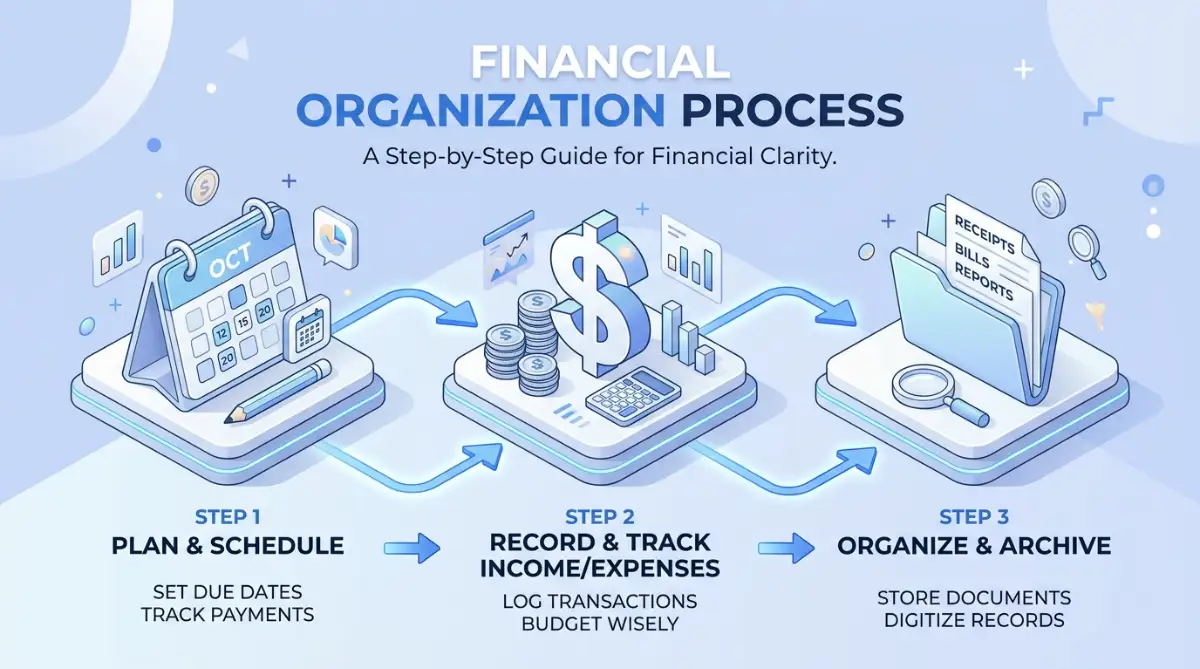
Create a dedicated folder for all your funding-related documents. If you treat these fees as part of your operational costs, you can potentially lower your overall tax burden. Do not wait until the end of the year to hunt for these receipts. Use simple digital tools or a spreadsheet to log these costs as they happen. When you are organized, you ensure that you do not miss out on legitimate tax breaks. This practice also builds a clean record that protects you if any questions arise.
Step 3: Align Repayments with Revenue Cycles
Tax liability is heavily influenced by how you handle your cash flow throughout the year. If your funding repayments are not synchronized with your revenue, you might face liquidity issues. This stress can impact your ability to pay taxes on time. Map out your repayment schedule alongside your expected income peaks. If you have a period of high revenue, consider making extra payments if your contract allows it. This reduces your overall interest obligation, which in turn simplifies your tax calculations. Focusing on a repayment plan that matches your business reality keeps your finances healthy. You are less likely to fall behind on obligations when your debt management matches your actual performance. This proactive approach turns a stressful debt into a manageable financial tool.
Refining Your Financial Strategy for Long-Term Success
You have already taken the first steps by organizing your records and understanding your funding structure. Now, let’s look at how to maintain this momentum and turn your tax management into a strategic advantage. These next steps will help you stay ahead of the curve.
Step 4: Leveraging Professional Guidance for Complex Situations
While DIY methods are great for starting out, some situations require a deeper level of expertise. You should consider working with a tax professional who understands alternative finance structures. They can help you identify deductions you might have missed entirely. Think of this as hiring a guide for a hike in difficult terrain. They know the shortcuts and can help you avoid dangerous paths that could lead to penalties. Investing in expert advice often pays for itself by reducing your overall tax burden. Do not wait for a tax crisis to happen before seeking help. A quick consultation early in the year can save you from months of worry later on. Use these sessions to ask specific questions about your unique funding situation. Don't just save your digital invoices. Keep a physical folder for "Funding Documents" that includes your initial offer letter, all repayment schedules, and any fee notices. When you have an audit, having this stack ready makes your life incredibly easy.
Step 5: Planning for Scalability and Future Growth
Your business will change, and so will your funding needs. You must build a system that grows alongside your company. This means updating your financial documentation protocols at least once every quarter. Set a recurring date on your calendar to review your tax position. Use this time to compare your actual spending against your initial projections. When you see a pattern, you can make better decisions about future funding rounds. Consistency is your best friend when it comes to taxes. When you perform these checks regularly, tax season feels like a routine event rather than a source of panic. You are not just managing debt; you are building a robust financial foundation.
Building Sustainable Habits for Financial Clarity
You can maintain these results by treating your financial records with the same respect as your core product or service. Good data is the heartbeat of a healthy business. Here is how you keep your system strong:
- Automate your record-keeping: Use modern accounting software to capture expenses in real-time. This reduces human error and keeps your data clean.
- Create a clear audit trail: Even if you think a receipt is small, keep it. You never know when you might need it to justify a deduction.
- Stay informed about rules: Tax laws are always shifting, so keep an eye on updates relevant to your industry. A small change in the rules can lead to big savings if you act fast.
- Separate personal and business finances: This is the most basic yet effective way to maintain order. Never mix the two, as it makes tax reporting a nightmare.
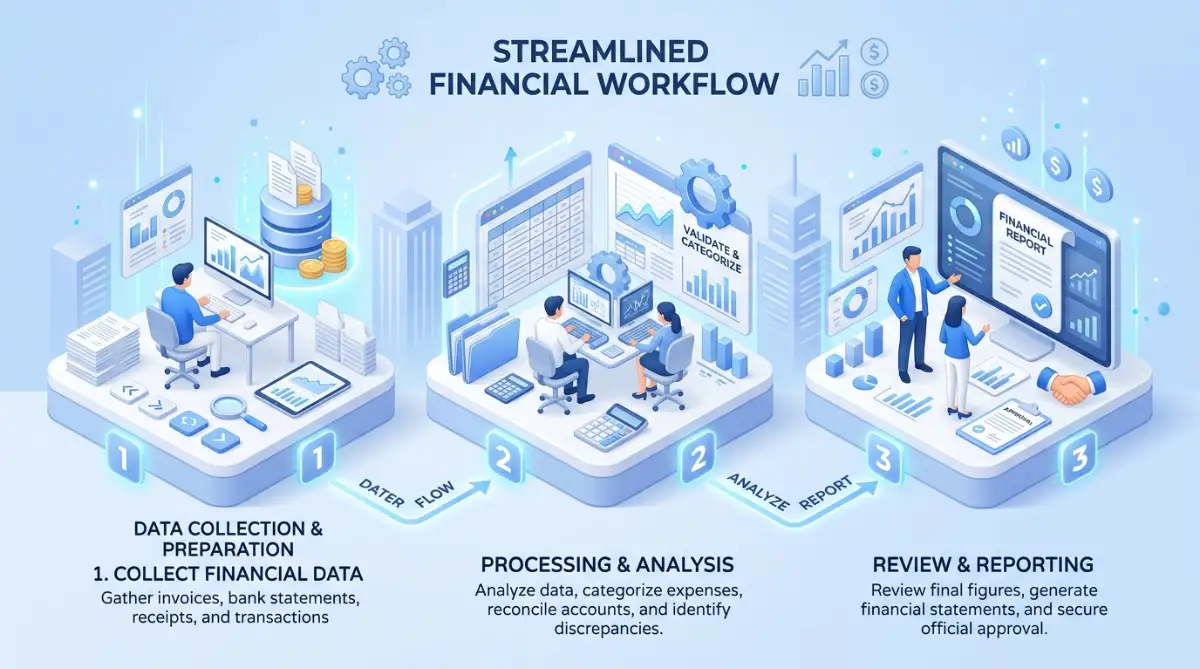
By following these practices, you move away from the "panic-mode" of tax management. You become a business owner who is always prepared. This sense of readiness gives you the freedom to focus on what truly matters—your customers.
Common Pitfalls That Often Derail Progress
Even with the best intentions, it is easy to slip up if you are not careful. Many business owners fall into these traps simply because they are moving too fast. Avoid these five mistakes to keep your financial house in order.
1. Overlooking Small Expenses
Many people think that small charges do not matter in the big picture. However, these tiny costs add up to significant amounts over a year. Failing to log these lost opportunities for deductions is a common and avoidable mistake.
2. Misclassifying Your Loans
Treating a revenue-based financing deal the same as a traditional bank loan can cause major errors. These funding types have different tax implications. Always confirm the exact legal classification of your capital.
3. Ignoring the Impact of Interest Rates
Focusing only on the principal amount can be a trap. The interest you pay is often a major factor in your tax planning. If you do not track your interest payments accurately, you lose out on potential tax benefits.
4. Failing to Communicate with Your Accountant
Some owners treat their tax professional like a stranger who only appears once a year. This lack of communication prevents your advisor from giving you proactive tax-saving advice. Talk to them regularly to ensure you are aligned.
5. Waiting Until the Last Minute
Trying to organize a year’s worth of financial data in a few days is a recipe for disaster. You will miss things, make mistakes, and likely pay more in taxes than necessary. Spread your workload throughout the year to stay calm and accurate.
Your Path to Financial Peace
I know firsthand that looking at tax documents can be intimidating, but taking control of your numbers is the best gift you can give your business. You don’t need to be a math genius to get this right; you just need to start building these simple habits today. Take that first step now, get your records in order, and I promise you will feel a weight lift off your shoulders that you didn't even know was there. Managing tax liabilities does not have to be a source of stress. It is simply another part of running a professional and successful business. By staying organized, you gain the clarity needed to make smarter choices. Remember that every step you take today reduces the risk for your business tomorrow. You are in control of your financial story. Start implementing these habits now, and you will see the results in your bottom line. You have the power to turn tax complexity into a simple, manageable process. Take charge, stay consistent, and watch your business thrive without the weight of unnecessary worry. Your journey toward financial confidence begins today.