
The Hidden Stress of Loan Rejection
The Roadmap to Loan Approval
- Check the Data: Pull your free report first; don't guess what's wrong.
- Keep Utilization Low: Aim for below 30% credit card usage at all times.
- Automate Everything: Never miss a payment; it's the #1 factor in your score.
- Age Matters: Keep your oldest credit accounts open, even if they are inactive.
Let's be honest—getting slapped with a mortgage rejection hurts. You find a house you love, but a confusing three-digit number ruins everything. I see so many folks give up on buying a home simply because they don't know how to play the credit game. Today, I am going to show you exactly how to clean up your profile so the bank actually wants to hand you that loan.
Many people struggle because they lack clear, honest guidance. They often fall into these common traps:
- They rely on generic advice found on random social media posts that offer quick fixes.
- They ignore small debts, thinking they do not matter, only to find out they carry high interest rates.
- They apply for too many loans at once, which actually lowers their score even more.
- They fail to check their credit reports for simple errors that are easy to fix.
It is time to change the narrative and take control of your financial standing. Most people think they need a perfect score to get approved, but lenders look for patterns of reliability. When you understand how banks view your history, you move from a place of fear to a place of power. You do not need to be a math genius to improve your score. You simply need a consistent plan and the patience to follow it through to the end.

Step 1: Get the Full Picture of Your Credit History
The "Get Approved" Cheat Sheet
-
Pull your free credit reports right now to catch sneaky errors before the bank does.
-
Keep your credit card balances under 30% of your total limit at all times.
-
Set up auto-pay for every single bill so you never miss a due date.
-
Leave your oldest credit cards open to prove you have a long track record of good habits.

If pulling and reading your credit report feels totally confusing, do not worry because you are not alone! Watch this simple video below to see exactly how to spot hidden errors on your report, and then keep reading to learn the fastest way to pay off your debt.
Your first move is to see exactly what the banks see. You must pull your credit report from authorized agencies. Many people skip this step because they are afraid of what they might find. Do not be one of them.
You have the right to review your data without any cost. Look for errors like old accounts that should be closed or payments marked late that were actually on time. Errors happen more often than you think. If you find a mistake, you can file a dispute to get it corrected quickly.
Treat your report like a resume for your financial life. You would not send a resume without checking for typos, so do not apply for a loan without checking your report.
Correcting a simple error can sometimes give your score a healthy jump.
Disputing Errors
-
Myth: Disputing a credit error will temporarily lower your score.
-
Fact: No, it doesn't! I disputed an old medical bill that wasn't even mine, and my score shot up 20 points the next month. The bureaus just remove the bad mark if the creditor cannot prove it belongs to you.
Step 2: Tackle Existing Debt with a Smart Strategy
High debt levels tell lenders that you might be stretched too thin. You do not need to pay off every single penny today, but you do need a plan. Focus on your credit utilization ratio. This is the amount of credit you are using compared to your total limit.
Try to keep your usage below thirty percent of your total available limit. If you have a credit card with a one-thousand-dollar limit, try to keep your balance under three hundred dollars. Lowering your usage is the fastest way to see an improvement. You can do this by paying down cards or even asking your bank to increase your limit.
My Favorite "Lazy" Trick for Better Credit
Call your credit card company and simply ask, "Can I get a limit increase without a hard pull?" If they say yes, your total credit limit goes up instantly. This drops your utilization ratio overnight without you having to pay an extra dime!
The 30% Rule in Action:
If your credit limit is $10,000, you shouldn't carry a balance over $3,000.
- Scenario A: You spend $5,000 (50% usage) = Red flag for lenders.
- Scenario B: You spend $2,500 (25% usage) = Green light for lenders.
- Tip: Pay your balance down 3 days before the statement date to keep your reported usage low.
If you have many small debts, consider the "snowball" method. Pay off the smallest debt first while making minimum payments on others. This gives you a quick win and builds the confidence to keep going. Seeing those smaller balances disappear creates real momentum.
Step 3: Automate Your Payments for Perfect Timing
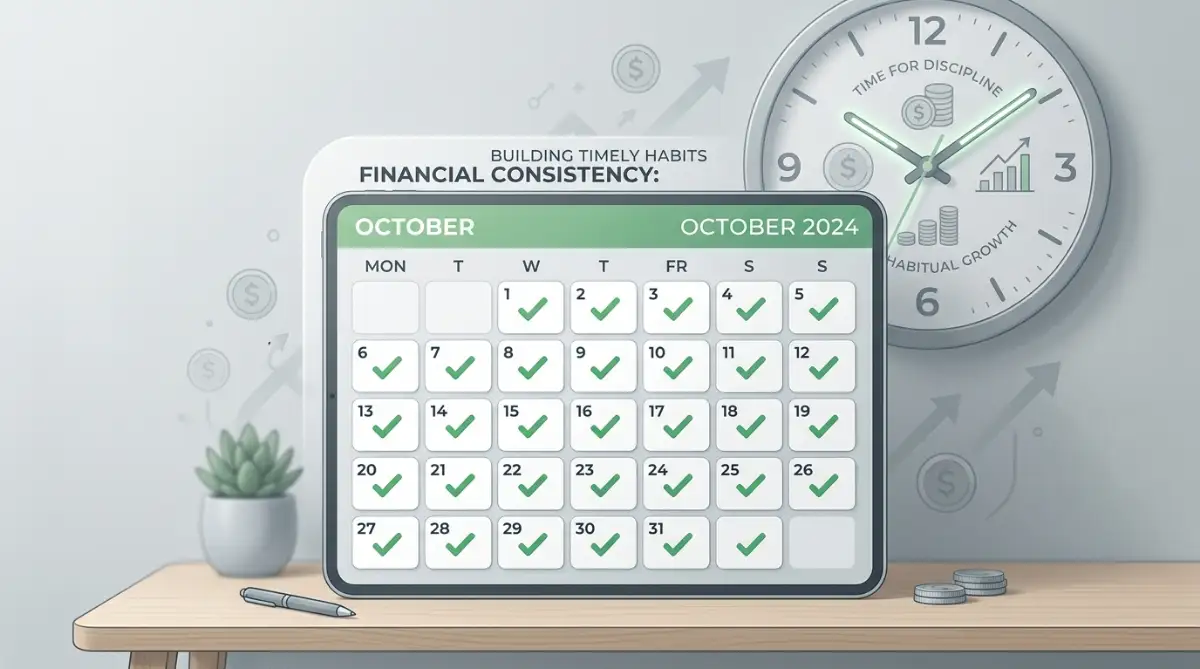
Payment history is the most important factor in your score. Even one late payment can stay on your record for years and damage your rating. Banks want to see that you are predictable and reliable.
The best way to ensure this is to set up automated payments for your bills. Even if you only set them to pay the minimum amount, it ensures you never miss a due date. Automation removes the human error of forgetting a date. You can always pay extra later, but the minimum must be covered on time.

Step 4: Master the Art of Credit Age and Diversity
Many people focus only on paying bills, but the length of your credit history also matters. Lenders prefer to see that you have managed credit accounts over a long period. Do not rush to close your oldest credit cards just because you paid them off.
Keeping an old account open helps your "average age of accounts," which is a positive indicator for lenders. Think of this like a long-standing friendship; it shows reliability over time. If you have an account you no longer use, just leave it with a zero balance rather than closing it.
My absolute biggest mistake was closing my very first credit card right after I finally paid it off, thinking I was doing the right thing. I had no idea that shutting down my oldest account would actually drop my credit score by several points right before I applied for my house loan! Always keep your oldest accounts open with a zero balance so you can prove to banks that you have a long, solid history of managing your money.
Also, try to have a mix of credit types, such as a credit card and a small personal loan. This is what financial experts at Investopedia call "credit mix," and it shows you can handle different debt structures. If you are struggling to keep track of various accounts, read this guide on reading financial statements like a pro to stay organized.
Step 5: Protect Your Score from Unnecessary Inquiries
| Hard vs. Soft Inquiry | What it is | Does it hurt your score? |
| :--- | :--- | :--- |
| Soft Inquiry | Checking your own report | No |
| Hard Inquiry | Applying for a mortgage/card | Yes (temporarily) |
Every time you apply for a new store card or a quick loan, the lender performs a "hard inquiry." Too many of these in a short time can signal that you are desperate for money. This lowers your score temporarily and makes you look risky to mortgage providers.
Only apply for new credit when you truly need it. Before you jump into any agreement, understand the full cost, as discussed in our article on sneaky loan fees lenders often hide. Protecting your score is just as important as building it.
If you are currently worried about how your past debts might impact your future, take a look at why your student loan balance might be increasing. Knowledge is the best shield against financial trouble. Always check if you are eligible for student loan forgiveness before taking on more debt.
Building Long-Term Financial Stability
Good credit is not a destination; it is a way of life. Once you reach your goal, do not stop your healthy habits. Consistency is the engine that keeps your score high for years to come.
Set a reminder to check your credit report every few months. Catching a mistake early, like a wrong digit on your credit report, can save you from a major headache later. Treat your credit health with the same care you give your physical health.

Traps That Can Hurt Your Loan Application
Trying to fix your credit can be tricky, and many people fall for common scams. Here are five big mistakes you should avoid at all costs:
- Paying for "Credit Repair" Services: Most of these companies promise results they cannot deliver. You can do everything they do for free by simply following the steps we outlined.
- Opening Too Many New Accounts: This creates multiple hard inquiries at once. It also lowers the average age of your accounts, which hurts your score.
- Ignoring Small Debt Collections: Even a tiny unpaid bill from years ago can show up on your report. Lenders often require these to be settled before they approve a home loan.
- Co-signing for Someone Else: When you co-sign, you are legally responsible for that debt. If the other person misses a payment, your credit score will suffer, not theirs.
- Using Cash Advances: Taking money from your credit card at an ATM is a red flag. It comes with high fees and hurts your financial reputation, as explained in our guide on the hidden dangers of cash advances.
Avoiding these pitfalls will keep your application profile clean. According to official resources from the Federal Reserve, managing your debts responsibly is the most reliable way to maintain access to affordable credit. Never rush into decisions that could damage your financial standing for years.
Your Path to Homeownership Starts Today
Remember that lenders are not looking for perfection. They are looking for someone who can demonstrate a history of reliability and smart money management. If you feel like your financial journey has been rocky, remember that it is always possible to safely rebuild your financial profile.
You have the power to change your future starting right now. Believe in your ability to master your finances and stay focused on that front door key you are working toward. You are capable of turning your dream into a reality through discipline and patience. Keep moving forward, one step at a time, and the results will follow.
I promise you that the incredible feeling of holding the keys to your own house is worth every single hour you spend cleaning up your credit today. Do not let past money mistakes convince you that you will be stuck renting forever. Take a deep breath, go pull your free credit report right now, and start building the secure future you truly deserve!